Red light therapy is a modern wellness treatment that uses low-level wavelengths of red and near-infrared light to support natural healing processes in the body. It is often used for skin health, pain relief, muscle recovery, and overall wellness. Unlike ultraviolet (UV) light, which can damage the skin, red light therapy is considered non-invasive and gentle, making it popular in both clinical and at-home settings.
Over the past decade, interest in this therapy has grown significantly as more research highlights its potential benefits for cellular health and recovery.
How Red Light Therapy Works
Red light therapy works by delivering specific wavelengths of light—usually between 600 and 1000 nanometers—into the skin and under tissues. These wavelengths penetrate deep into the body and are absorbed by the mitochondria, which are often referred to as the “powerhouses” of the cells.
When mitochondria absorb this light, they produce more adenosine triphosphate (ATP), which is the energy source cells use to function and repair themselves. This increase in cellular energy is believed to support faster healing, reduced inflammation, and improved tissue regeneration.
In simple terms, red light therapy helps your cells work more efficiently, allowing the body to recover and repair itself more effectively.
Key Benefits of Red Light Therapy
1. Improves Skin Health
One of the most well-known uses of red light therapy is for skin improvement. It is commonly used to reduce fine lines, wrinkles, and signs of aging. The light stimulates collagen production, which helps maintain skin elasticity and firmness.
It may also help with acne, scars, and uneven skin tone by reducing inflammation and supporting skin cell turnover. Many people use it as a non-invasive alternative to cosmetic procedures.
2. Supports Muscle Recovery
Athletes and fitness enthusiasts often use red light therapy to speed up muscle recovery after intense workouts. By increasing blood flow and reducing inflammation, it helps muscles repair more quickly and reduces soreness.
This makes it especially useful for people who train regularly and want to minimize downtime between workouts.
3. Reduces Inflammation and Pain
Chronic inflammation is linked to many health issues, including joint pain and muscle stiffness. Red light red light therapy is believed to reduce inflammation at a cellular level, which can help relieve pain in conditions such as arthritis or tendon injuries.
It is not a replacement for medical treatment, but it may be a supportive therapy for managing discomfort.
4. Enhances Wound Healing
Another important benefit of red light therapy is its ability to support wound healing. By increasing circulation and stimulating tissue repair, it can help the body heal cuts, burns, and minor injuries more quickly.
This is why it is sometimes used in physical therapy and dermatology clinics.
Red Light Therapy for Hair Growth
In recent years, red light therapy has also been explored for its potential role in promoting hair growth. It is thought to stimulate hair follicles by improving blood flow to the scalp and increasing cellular activity.
Some studies suggest that regular use may help slow hair thinning and support thicker, healthier hair over time. This has made it a popular option for individuals dealing with early stages of hair loss.
Mental Health and Sleep Benefits
Red light therapy may also have indirect benefits for mental well-being. Some users report improved mood, reduced stress levels, and better sleep quality after regular sessions.
This could be linked to the therapy’s ability to reduce inflammation and support circadian rhythm regulation. While research is still ongoing, early findings are promising.
How to Use Red Light Therapy
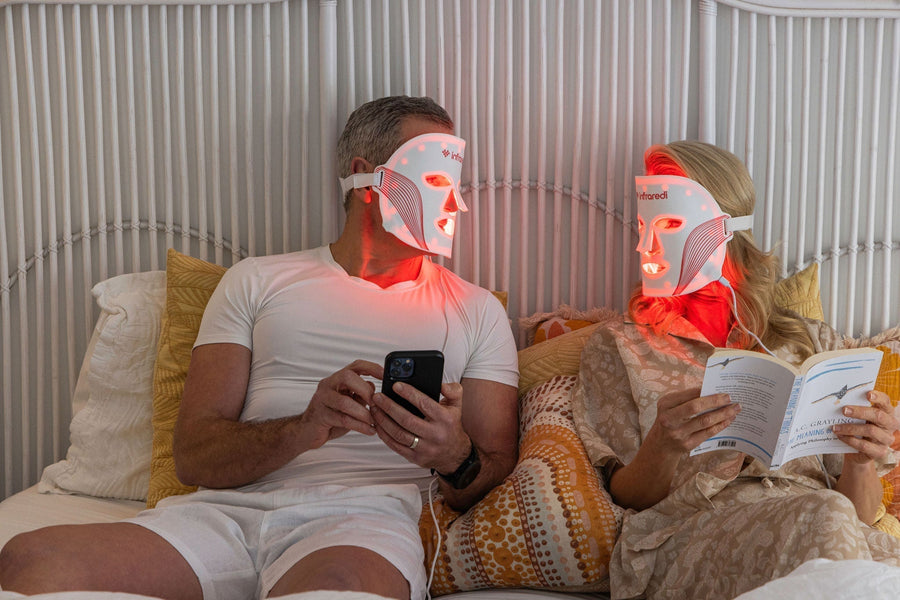
Red light therapy can be administered in clinics, wellness centers, or at home using specialized devices such as lamps, panels, or masks. Sessions typically last between 10 to 20 minutes, depending on the device and treatment area.
For best results, consistency is important. Many users begin with 3–5 sessions per week and adjust based on their goals and response.
It is also important to follow manufacturer guidelines to ensure safe and effective use.
Is Red Light Therapy Safe?
Red light therapy is generally considered safe when used correctly. It does not contain UV rays, so it does not damage the skin or increase the risk of sunburn. Most people experience little to no side effects.
However, individuals with certain medical conditions or those taking photosensitive medications should consult a healthcare professional before starting treatment.
The Future of Red Light Therapy
As scientific interest continues to grow, red light therapy is becoming more widely accepted in both medical and wellness communities. Researchers are exploring its potential applications in brain health, metabolic function, and even chronic disease management.
With advancements in technology, at-home devices are also becoming more affordable and accessible, allowing more people to benefit from this therapy.
Conclusion
Red light therapy is an exciting, non-invasive treatment that offers a wide range of potential health benefits. From improving skin appearance and reducing inflammation to supporting muscle recovery and hair growth, it is becoming a valuable tool in modern wellness routines.
While more research is still needed to fully understand all its effects, current evidence suggests that red light therapy can be a helpful addition to a healthy lifestyle when used consistently and safely.