Others

  • Tips for Booking Multi-City Flight Tickets

    By AQ October 21, 2024

    When you’re planning a multi-city trip, it’s crucial to map out your itinerary with precision. You’ll want to consider travel times and the best order for your destinations to make the most of your journey. Utilizing flight comparison tools can save you a significant amount on fares, but flexibility with your travel dates can lead to even better deals. Have you thought about which airports might offer the best options? Exploring these strategies can reveal surprising savings and opportunities, so let’s uncover some key tips to enhance your travel experience.

    Understand Your Travel Itinerary

    When planning a multi-city trip, it’s essential to clearly understand your travel itinerary. Start by mapping out the cities you want to visit and the order in which you’ll explore them. This helps you visualize your route and ensures you don’t miss any important destinations.

    Next, consider the duration of your stay in each city. Are there specific attractions or events you want to experience? Allocate enough time for each stop while accounting for travel time between cities.

    If you’re flying, check the distances and flight durations, as this can significantly impact your schedule.

    Moreover, think about your budget. Knowing how much you can spend on transportation, accommodations, and activities will guide your choices.

    Don’t forget to factor in potential layovers and any visa requirements for international travel.

    Use Flight Comparison Tools

    Take advantage of flight comparison tools to streamline your search for multi-city flights. These online resources are designed to simplify your planning process by aggregating prices and schedules from various airlines. Instead of visiting multiple airline websites, you can input your travel details into one platform and get a comprehensive overview of available options.

    When using these tools, filter results based on your preferences, such as price, duration, and layover times. This way, you can easily identify the most convenient and cost-effective flights that suit your itinerary.

    Make sure to read the fine print, as some offers may include hidden fees that could affect your final price.

    Additionally, take note of user-friendly features like fare alerts and price predictions. These can help you snag the best deals by notifying you when prices drop or when it’s a good time to book.

    Be Flexible With Dates

    Flexibility with your travel dates can significantly impact the cost and availability of multi-city flights. If you can adjust your departure and return dates, you’re likely to find better deals. Many airlines offer lower fares on weekdays compared to weekends, so consider flying on Tuesday or Wednesday instead of Friday or Sunday.

    Another strategy is to look at the entire month for flight options. Many flight comparison tools allow you to view prices across a range of dates. By doing this, you might discover that flying a day earlier or later can save you a substantial amount.

    Don’t hesitate to experiment with your itinerary. If you have a specific destination in mind but are open to travel dates, try searching for flights that cover different date ranges. This approach could lead you to hidden gems—affordable flights to your desired city.

    Lastly, keep an eye on seasonal trends. Some destinations may be cheaper during off-peak seasons. By being flexible, you’ll not only save money but also maximize your travel experience. Embrace the adventure of adjusting your plans for potentially significant savings!

    Consider Alternative Airports

    Searching for multi-city flights often leads to better deals when you consider alternative airports. Instead of focusing solely on major international hubs, look at smaller airports nearby. They often have lower fees, less congestion, and sometimes better flight options, making your travel experience smoother and more affordable.

    Here’s a quick comparison of some alternative airports you might consider:

    Major Airport Alternative Airport Potential Savings
    New York (JFK) Newark (EWR) Up to 20%
    Los Angeles (LAX) Burbank (BUR) Up to 15%
    Chicago (ORD) Midway (MDW) Up to 25%
    San Francisco (SFO) Oakland (OAK) Up to 18%
    Miami (MIA) Fort Lauderdale (FLL) Up to 22%

    Book in Advance for Savings

    When planning your multi-city adventure, booking in advance can be a game-changer for your wallet. Airlines often reward early birds with lower fares, so you’ll want to start your search as soon as you’ve mapped out your itinerary.

    Ideally, aim to book your flights at least two to three months ahead of your departure date. By doing this, you’ll not only capture the best prices but also have a wider selection of flight times and seat options.

    Keep an eye on sales and special promotions that airlines may run, as these can offer significant savings if you’re flexible with your travel dates. Using flight comparison websites can also help you spot the cheapest options available.

    Don’t forget to set up price alerts; they notify you when fares drop for your desired routes. Lastly, remember that prices often increase as the departure date approaches, especially for popular routes.

    Conclusion

    By following these tips, you can streamline your multi-city flight booking process and save money along the way. Understand your itinerary, utilize flight comparison tools, and stay flexible with your travel dates. Don’t forget to check alternative airports for better deals and aim to book your خرید بلیط هواپیما two to three months ahead. With a little planning, you’ll enjoy an unforgettable journey while keeping your budget in check. Happy travels!

  • Working with a Real Estate Agent in Las Vegas: What You Need to Know

    By Aniq October 20, 2024

    Las Vegas is known for its booming real estate market, making it a popular destination for people looking to buy or sell property. Navigating this market can be tricky, which is why many people choose to work with a real estate agent. A skilled real estate agent can help make the process much smoother by offering expert advice and handling all the important details. If you’re considering buying or selling property in Las Vegas, here’s what you need to know about working with a real estate agent.

    The Role of a Real Estate Agent
    Real estate agents are licensed professionals who help clients buy, sell, or rent properties. Their job goes beyond just showing homes or putting up listings. A real estate agent acts as your guide, negotiator, and adviser throughout the entire transaction process. Here are some of the key things a real estate agent can do for you:

    For buyers, an agent helps you find properties that meet your needs and budget. They arrange showings, give you information on the neighborhood, and help you make informed decisions. Agents also assist in negotiations to help you get the best deal.

    For sellers, a real estate agent handles everything from setting the right price for your property to marketing it to potential buyers. They manage the listing process, host open houses, and negotiate with buyers on your behalf.

    Handling paperwork is another important task. Real estate transactions involve a lot of legal documents, contracts, and deadlines. Your agent will make sure everything is completed correctly and on time, making the process stress-free for you.

    Why Work with a Real Estate Agent?
    Local Market Knowledge: Las Vegas has a diverse real estate market, with properties ranging from single-family homes to luxury condos. A local real estate agent understands the trends in different areas, property values, and what types of homes are available in your price range. This local expertise is essential for making informed decisions.

    Negotiation Skills: One of the biggest advantages of hiring a real estate agent is their ability to negotiate on your behalf. Whether you’re trying to buy a home at a lower price or sell your property for the best offer, a skilled agent knows how to handle negotiations and get you the best deal possible.

    Saves Time and Effort: Searching for a property or managing the sale of your home takes time and energy. A real estate agent takes care of the heavy lifting by handling everything from research and property visits to paperwork and deadlines. This allows you to focus on other important matters while they manage the details.

    Tips for Choosing the Right Real Estate Agent
    Choosing the right agent is key to a successful real estate experience. Here are some tips for finding the best Real Estate Agent in Las Vegas :

    Experience and Local Knowledge: Look for an agent who has several years of experience in the Las Vegas market. They should have a deep understanding of the city’s neighborhoods and the types of properties available.

    Communication: Real estate transactions can move quickly, so it’s important to choose an agent who communicates well and keeps you updated throughout the process. They should be easy to reach and responsive to your questions or concerns.

    Client Reviews: Check online reviews or ask for recommendations from people you trust. Reviews from past clients can give you insight into how the agent works and whether they’re a good fit for your needs.

    Specialization: Some agents specialize in certain types of real estate, such as luxury homes, investment properties, or first-time homebuyers. Make sure the agent you choose has experience in the type of transaction you’re planning.

    Final Thoughts
    Navigating the real estate market in Las Vegas can be overwhelming, but working with the right real estate agent can make a world of difference. Whether you’re buying your dream home or selling a property, a skilled agent will provide the expertise, negotiation skills, and local market knowledge you need for a successful transaction. By choosing an agent who understands your needs and goals, you’ll have a much smoother and more enjoyable real estate experience in Las Vegas.

    McQuillan Group

    8880 W Sunset Rd. Las Vegas, NV 89148

    (702) 245-3567

  • The Impact of Turbo Expanders on Process Optimization

    By AQ October 20, 2024

    When you consider the role of turbo expanders in process optimization, it’s clear that these devices play a pivotal role in enhancing energy efficiency across various industries. By converting high-pressure gas streams into usable mechanical energy, you can significantly lower operational costs and improve performance. However, the benefits extend beyond mere efficiency and cost savings. As industries face increasing pressures to meet sustainability goals, the impact of turbo expanders on emissions and maintenance requirements raises important questions about future applications. What might this mean for the evolution of industrial processes?

    Overview of Turbo Expanders

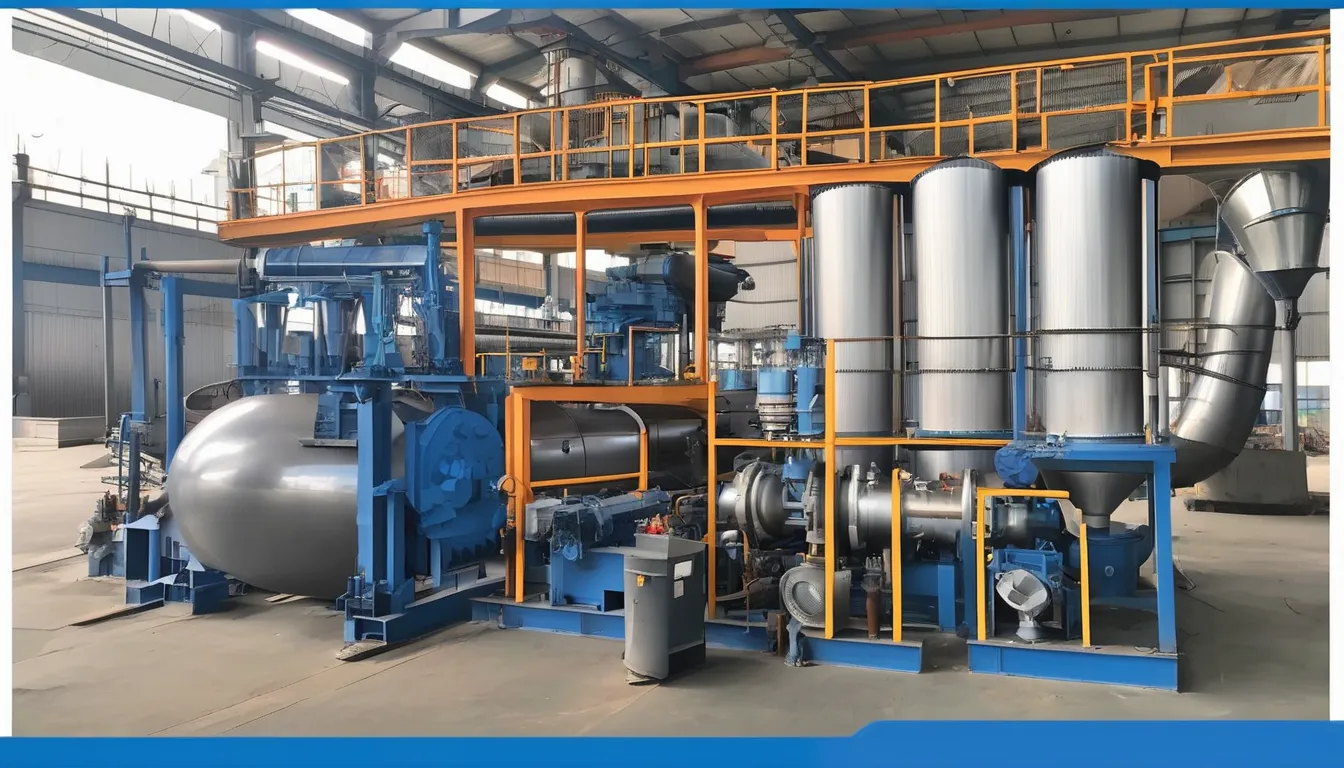
    When you think about energy efficiency in industrial processes, turbo expanders often come to mind as key players. These devices convert the energy from high-pressure gas streams into mechanical energy, which can then be used to drive generators or compressors. By doing so, turbo expanders not only reduce energy consumption but also enhance overall system efficiency.

    Turbo expanders operate under the principles of thermodynamics, specifically the Joule-Thomson effect. As gas expands through the expander, it cools and loses pressure, allowing you to harness its energy effectively.

    You’ll find these devices in various applications, including natural gas processing, refrigeration systems, and power generation, where they contribute significantly to energy recovery.

    One of the standout features of turbo expanders is their ability to operate over a wide range of flow rates and pressures. This flexibility makes them suitable for different industrial setups.

    Moreover, their design promotes low maintenance and long operational life, making them a cost-effective choice for many facilities. Understanding how turbo expanders function and their benefits can help you optimize your processes and achieve your energy efficiency goals.

    Energy Recovery Mechanisms

    Understanding energy recovery mechanisms is crucial for maximizing the efficiency of turbo expanders in industrial applications. These mechanisms allow you to capture and reuse energy that would otherwise be wasted during the expansion process. By harnessing this energy, you can significantly improve your overall system performance.

    One key mechanism involves the conversion of high-pressure gas into mechanical energy. When gas expands through the turbo expander, it loses pressure and temperature. Instead of letting this energy dissipate, you can use it to drive a generator or pump, effectively turning waste energy into usable power.

    Another method is integrating the china Turbo Expander with other processes. For example, coupling it with heat exchangers can help recover thermal energy from the gas. This recovered heat can be redirected to preheat incoming fluids or generate steam, enhancing the overall efficiency of your system.

    Applications in Industry

    How do turbo expanders fit into various industrial processes? You’ll find them playing a crucial role in gas processing, refrigeration, and power generation.

    In gas processing, turbo expanders utilize the high-pressure gas’s energy to reduce its pressure, allowing for efficient separation of components. This is vital for maximizing the yield of valuable products like ethane and propane.

    In the refrigeration sector, turbo expanders help improve efficiency by allowing the expansion and cooling of refrigerants. By harnessing energy during this process, you can achieve better temperature control while reducing overall energy consumption.

    In power generation, turbo expanders convert excess pressure energy from steam or gas into mechanical energy, which can then drive generators. This application is particularly beneficial in combined cycle systems, where you can maximize the energy extracted from fuel.

    Additionally, in the petrochemical industry, turbo expanders assist in optimizing processes by recovering energy from various streams, increasing overall efficiency.

    Whether you’re in gas processing, refrigeration, or power generation, turbo expanders are essential tools that enhance performance and sustainability across multiple industrial applications.

    Benefits for Process Optimization

    Turbo expanders are game-changers for process optimization, providing significant benefits across various industries. By enhancing energy recovery and improving efficiency, they help you minimize operational costs while maximizing output. You’ll notice that turbo expanders can significantly reduce waste, allowing you to make the most out of your resources.

    Here’s a quick look at some key benefits:

    Benefit Description Impact
    Energy Efficiency Turbo expanders convert excess energy into usable power. Lowers energy consumption.
    Cost Reduction Reduces operational costs by optimizing performance. Increases profit margins.
    Environmental Impact Decreases greenhouse gas emissions through efficient energy use. Supports sustainability goals.

    Implementing turbo expanders in your processes can lead to a leaner operation, helping you remain competitive. You’ll find that improved system reliability and reduced maintenance needs keep things running smoothly. As you strive for continuous improvement, turbo expanders can be a vital component in your strategy for achieving higher efficiency and lower costs. Don’t underestimate their potential—they’re essential tools for your process optimization efforts.

    Future Trends and Innovations

    As industries evolve, the integration of advanced technologies and innovative designs in turbo expanders is reshaping the landscape of process optimization.

    You’ll see trends focusing on energy efficiency, enhancing performance, and driving sustainability. One key innovation is the use of smart sensors and IoT technology, enabling real-time monitoring and predictive maintenance. This means you can optimize operations and reduce downtime significantly.

    Moreover, advancements in materials science are leading to lighter and more durable components, which can withstand higher pressures and temperatures. This enhancement not only boosts efficiency but also extends the lifespan of turbo expanders.

    You can also expect to see improved computational fluid dynamics (CFD) models, allowing for more precise designs tailored to specific applications.

    Another trend is the move toward modular designs, making it easier to upgrade existing systems without a complete overhaul. This adaptability will help you stay competitive in a rapidly changing market.

    As you embrace these future trends and innovations, you’ll find that turbo expanders will play an increasingly vital role in achieving optimal performance while minimizing environmental impact.

    Keep an eye on these developments; they’ll shape the future of process optimization.

    Conclusion

    Incorporating turbo expanders into your processes can significantly boost efficiency and reduce costs. By capturing and reusing energy, these systems not only enhance performance but also support sustainability goals. As industries continue to evolve, staying ahead with innovations in turbo expander technology will be crucial. Embracing these advancements can give you a competitive edge, ensuring your operations are leaner and more environmentally friendly. Don’t miss out on the benefits turbo expanders can bring to your business.

  • Step-By-Step Singapore Incorporation Services Making It Simple

    By AQ October 20, 2024

    Starting a business in Singapore doesn’t have to be overwhelming. You can simplify the process with step-by-step incorporation singapore corporate secretarial services that guide you through selecting the right business structure and preparing essential documents. From choosing a company name to navigating the ACRA registration portal, each step is designed to ease your journey. But understanding the nuances of Singapore’s regulations and post-incorporation requirements can be crucial for your success. So, what’s the next move you should consider to ensure a smooth transition into the business world?

    Understanding Singapore Business Structure

    When you’re looking to incorporate a business in Singapore, it’s crucial to understand the various business structures available. Each structure has its own set of advantages and disadvantages, so you’ll want to choose wisely based on your business goals.

    The most common structure is the private limited company (Pte Ltd). This option limits your liability, meaning your personal assets are protected if the business faces financial difficulties.

    You’ll also benefit from tax incentives and the ability to raise capital through shares.

    Another option is a sole proprietorship, ideal for individual entrepreneurs. While it’s easy to set up and manage, you’ll assume full liability, which means your personal assets could be at risk.

    If you’re considering working with partners, a partnership or limited liability partnership (LLP) might suit you. Partnerships are straightforward but expose partners to liability.

    An LLP, on the other hand, offers limited liability protection while allowing for a flexible management structure.

    Preparing Essential Documents

    To successfully incorporate your business in Singapore, you’ll need to prepare several essential documents. First, gather your company’s constitution, which outlines the rules and regulations governing your business. This document is crucial as it serves as the company’s internal framework.

    Next, you’ll need to provide details about your shareholders and directors. Each individual should submit a copy of their identification, such as a passport or NRIC, along with their residential addresses. If you have corporate shareholders, you’ll need to include their business registration documents.

    Additionally, prepare a signed consent form from each director, confirming their appointment and agreement to act as a director of the company.

    You also need to prepare a statement of the company’s registered office address, which is where official correspondence will be sent.

    Choosing a Company Name

    Choosing a company name is a crucial step in the incorporation process, as it reflects your brand identity and sets the tone for your business. A well-thought-out name can create a lasting impression and attract customers, so it’s essential to choose wisely.

    Here are some key factors to consider when brainstorming names:

    Factor Description
    Relevance Ensure the name aligns with your business goals.
    Uniqueness Choose something distinctive to stand out.
    Simplicity Opt for a name that’s easy to spell and remember.
    Future Growth Consider how the name will fit as your business expands.
    Availability Check if the name is already in use or trademarked.

    Take your time during this process. Make a list of potential names and seek feedback from trusted friends or colleagues. Once you have a shortlist, you can narrow it down based on the factors mentioned above. Remember, your company name is often the first thing potential customers will see, so make it count!

    Registering Your Company

    Registering your company is a vital step in establishing your business in Singapore. This process not only legitimizes your business but also opens doors to various opportunities.

    Here’s a straightforward guide to help you through the registration process:

    1. Prepare Required Documents: You’ll need a copy of your company name approval, identification documents of shareholders and directors, and the company constitution.
    2. Choose a Business Structure: Decide whether you want to register as a private limited company, sole proprietorship, or partnership. Each structure has different implications for liability and tax.
    3. Register Online: Use the Accounting and Corporate Regulatory Authority (ACRA) online portal. It’s user-friendly and allows you to submit all your documents electronically.
    4. Pay Registration Fees: Be prepared to pay a registration fee, which varies depending on the type of business entity you’re establishing. This fee is typically around SGD 300 for a private limited company.

    After completing these steps, you’ll receive a Certificate of Incorporation, marking the official start of your business in Singapore.

    Post-Incorporation Steps

    Once you’ve received your Certificate of Incorporation, it’s time to focus on the important post-incorporation steps.

    First, you need to open a corporate bank account. This account will facilitate your business transactions and help you manage finances properly. Choose a bank that suits your needs and prepare the necessary documents, including your incorporation certificate.

    Next, appoint a Company Secretary within six months. This role is crucial for ensuring compliance with Singapore’s regulations and maintaining corporate governance. Once appointed, your Company Secretary will help with filing annual returns and other statutory documents.

    You should also register for Goods and Services Tax (GST) if your annual turnover exceeds SGD 1 million. This registration allows you to claim input tax on your business expenses.

    Moreover, ensure you have the necessary licenses and permits for your specific industry. Depending on your business type, you may need to apply for additional approvals from relevant authorities.

    Lastly, establish a proper accounting system to track your financials accurately. Consider hiring a professional accountant or using accounting software to help streamline this process.

    Following these steps will set your business up for success in Singapore.

    Conclusion

    Incorporating your business in Singapore doesn’t have to be overwhelming. By understanding the various business structures, preparing the essential documents, choosing a catchy company name, and navigating the registration process, you’re well on your way to success. Don’t forget the post-incorporation steps, as they set the foundation for your venture. With the right guidance, you can turn your entrepreneurial dreams into reality and thrive in Singapore’s vibrant market. Let’s get started today!

  • MCST Audit Services Strengthening Governance in Singapore

    By AQ October 20, 2024

    When you consider the role of MCST audit services in Singapore, it’s clear they’re pivotal in enhancing governance within management corporations. By ensuring compliance with legal standards and financial accuracy, these audits not only promote transparency but also help identify potential risks. This process fosters a culture of accountability among stakeholders, but what happens as these audits evolve with technology and shifting regulations? Understanding the future of MCST audits could reveal even more opportunities for strengthening governance in this dynamic landscape.

    Importance of MCST Audits

    MCST audits play a crucial role in ensuring the financial health and transparency of a Management Corporation Strata Title (MCST) in Singapore. When you engage in these audits, you’re not just checking the numbers; you’re reinforcing trust among residents and stakeholders.

    By examining financial statements and management practices, audits help you identify discrepancies and inefficiencies that could compromise the integrity of your MCST.

    Moreover, conducting regular GTO Audit Services Singapore s ensures compliance with local regulations and standards. This proactive approach protects your community from potential legal issues and fosters a culture of accountability.

    You’ll find that transparency in financial dealings can enhance the overall reputation of your MCST, making it more attractive to potential residents and investors.

    In addition, MCST audits provide valuable insights into budgeting and resource allocation. With detailed analysis, you can make informed decisions about future projects or maintenance needs, aligning your financial strategies with the community’s goals.

    Ultimately, prioritizing MCST audits not only safeguards your current financial status but also contributes to long-term sustainability and growth for your community.

    Key Components of MCST Audit Services

    When you engage MCST audit services, several key components come into play to ensure a thorough evaluation of your management corporation’s financial practices.

    First, the financial statement review is essential. Auditors meticulously examine your income statements, balance sheets, and cash flow statements to verify accuracy and compliance with regulations.

    Next, internal control assessments are crucial. These evaluations help identify strengths and weaknesses in your financial processes, ensuring that your corporation operates efficiently and transparently. Auditors will also conduct compliance checks to ensure adherence to the Building Maintenance and Strata Management Act and other relevant regulations.

    Another vital component is stakeholder communication. Auditors provide detailed reports and insights, which help you understand financial health and governance issues. This fosters transparency and accountability within your management corporation.

    Lastly, risk assessments are performed to identify potential financial risks. By recognizing these risks early, you can implement strategies to mitigate them effectively.

    Each of these components works together to create a comprehensive MCST audit, paving the way for better governance and financial integrity in your management corporation.

    Benefits of Enhanced Governance

    Enhancing governance within your management corporation brings a multitude of benefits that can significantly improve operational efficiency and stakeholder trust.

    When you implement robust governance practices, you’re not just following rules; you’re fostering a culture of accountability and transparency that everyone can rely on.

    Here are four key benefits you can expect:

    1. Improved Decision-Making: With clear protocols in place, your board can make informed decisions quickly, minimizing delays and enhancing responsiveness.
    2. Increased Stakeholder Confidence: When stakeholders see effective governance, their trust in your management grows, leading to stronger community relationships and support.
    3. Risk Mitigation: Enhanced governance helps identify and manage potential risks early, reducing the likelihood of costly mistakes or disputes down the line.
    4. Streamlined Operations: By establishing defined roles and responsibilities, you eliminate confusion and redundancy, making processes more efficient.

    Compliance and Regulatory Framework

    Effective governance sets the stage for understanding compliance and the regulatory framework in which management corporations operate. As a member of a management corporation, you need to grasp the laws and regulations that guide your operations. The Building Maintenance and Strata Management Act (BMSMA) serves as a cornerstone, outlining the responsibilities of management corporations, including financial management, maintenance duties, and governance.

    Your compliance with these regulations isn’t just about avoiding penalties; it’s about ensuring transparency and accountability. Regular audits, as mandated under the BMSMA, provide you with insights into financial health and operational efficiency. They help identify areas for improvement and ensure that all activities align with legal requirements.

    Additionally, the Urban Redevelopment Authority (URA) and other agencies play crucial roles in establishing guidelines that govern property management. By staying informed about these regulations, you can foster a culture of compliance within your management corporation.

    In essence, understanding the compliance and regulatory framework empowers you to make informed decisions, mitigate risks, and enhance the overall governance of your management corporation. This proactive approach not only safeguards your interests but also promotes a harmonious living environment for all residents.

    Future Trends in MCST Auditing

    As the landscape of management corporation strata title (MCST) auditing evolves, several key trends are emerging that will shape the future of this critical function.

    You’ll want to keep an eye on these developments to stay ahead in the industry and enhance your governance practices.

    1. Increased Use of Technology: Automation and AI are streamlining the auditing process, making it faster and more accurate.
    2. Data Analytics: You’ll see a rise in data-driven decision-making, allowing auditors to identify trends and anomalies more effectively.
    3. Sustainability Focus: Auditors will prioritize environmental considerations, ensuring that MCSTs are compliant with sustainable practices and regulations.
    4. Enhanced Stakeholder Engagement: Expect greater transparency and communication with stakeholders, fostering trust and accountability.

    These trends aren’t just buzzwords; they’re shaping how auditing will be conducted and perceived in the years to come.

    By embracing these changes, you can help ensure that the MCST auditing process remains robust, relevant, and responsive to the needs of the community.

    Staying informed and adaptable will be key to thriving in this dynamic environment.

    Conclusion

    In conclusion, MCST audit services are vital for enhancing governance in Singapore’s management corporations. By ensuring financial accuracy and compliance, these audits foster transparency and accountability, ultimately building stakeholder confidence. As you embrace the evolving landscape of technology and data analytics, you’ll find that prioritizing sustainability and engagement will strengthen governance practices even further. Staying proactive in adapting to regulatory changes will empower your organization to thrive in a dynamic environment.