Renovating or building a home comes with countless decisions, from flooring and paint to lighting and furniture. Yet one of the most transformative elements in any home is often overlooked: millwork. If you’ve ever admired a beautifully trimmed doorway, a custom cabinet, or detailed crown molding, you’ve seen millwork at work. But what exactly is it, and why should homeowners care? Let’s break it down in a practical, easy-to-understand way.
Understanding Millwork
At its essence, millwork refers to woodwork that is produced in a mill for use in construction and home design. Unlike handcrafted carpentry, millwork is machine-made, ensuring precise cuts, consistency, and often faster production times.
Millwork covers a broad range of elements in a home, including:
-
Baseboards and crown molding
-
Window and door casings
-
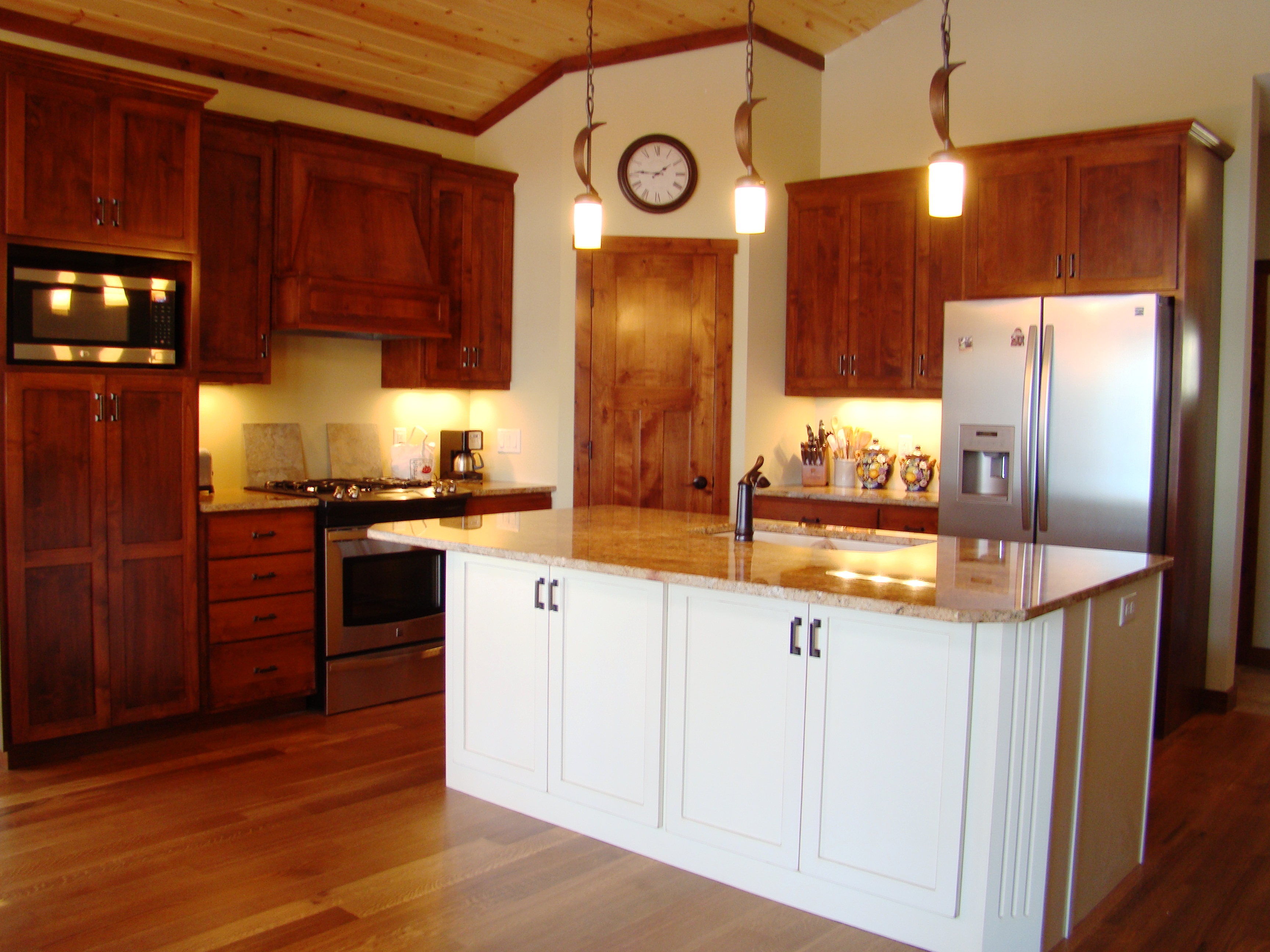
Cabinetry and built-in furniture
-
Staircases and railings
-
Paneling, wainscoting, and decorative trims
In short, if it’s woodwork designed to enhance or protect your home’s architecture, it likely falls under the umbrella of millwork.
Types of Millwork
Millwork comes in various types, depending on where it’s used and how it’s crafted.
1. Interior Millwork
Interior millwork includes everything inside your home that adds aesthetic appeal or functional protection. This ranges from decorative moldings and custom cabinets to stair railings and window trims. Interior millwork helps define a room’s character, whether you’re aiming for modern simplicity or classic elegance.
2. Exterior Millwork
Exterior millwork enhances the outside of your home. Door and window casings, soffits, fascia boards, and columns all fall under this category. Exterior millwork must be durable, often made from treated wood, composites, or other weather-resistant materials to withstand the elements.
3. Standard vs. Custom Millwork
-
Standard Millwork: Pre-manufactured and ready to install, standard pieces are convenient and cost-effective.
-
Custom Millwork: Tailored to your home’s design, custom pieces allow for unique shapes, sizes, and finishes, perfect for high-end renovations or historic restorations.
Why What is Millwork Matters
Millwork isn’t just decorative; it adds value, function, and personality to your home.
-
Aesthetic Appeal: Millwork frames a room, highlights architectural features, and brings cohesion to design elements.
-
Durability: Baseboards, wainscoting, and trims protect walls from wear and tear, helping your home maintain its quality over time.
-
Property Value: Well-designed millwork signals craftsmanship and attention to detail, which can increase a home’s market appeal.
-
Warmth and Character: Wood tones, textures, and finishes contribute to a welcoming, comfortable environment.
Choosing the Right Millwork for Your Home
Selecting millwork involves considering style, material, and function.
1. Match Your Home’s Style
Millwork should complement your home’s overall aesthetic. Sleek, simple trims suit modern or minimalist spaces, while ornate crown molding and wainscoting enhance traditional or rustic interiors.
2. Pick the Right Material
-
Solid Wood: Classic and long-lasting, ideal for high-traffic areas and premium finishes.
-
MDF (Medium Density Fiberboard): Cost-effective, smooth, and easy to paint.
-
Plywood and Composites: Durable alternatives, often used for cabinets or exterior applications.
3. Consider Maintenance
Some woods require regular polishing, sealing, or refinishing, while others like MDF or composites are low-maintenance. Choose materials based on your lifestyle and willingness to care for them.
4. Plan for Proportions
The size of trim or molding should match the scale of your room. Oversized trim in a small space can feel overpowering, while tiny moldings in a large room can look out of place.
Expert Tips for Homeowners
-
Always review samples before committing to a style or finish.
-
Work with a professional carpenter or millwork specialist to ensure accurate measurements and quality installation.
-
Think about long-term durability: investing in quality millwork now can save on repairs and replacements later.
-
Don’t underestimate the power of details: well-chosen millwork can transform a simple room into a sophisticated space.
Conclusion
Millwork may seem like a small detail, but it has the power to dramatically enhance both the beauty and functionality of your home. From crown moldings and baseboards to custom cabinets and stair railings, these elements define spaces, protect your interiors, and add lasting value.
For homeowners preparing to renovate or build, understanding millwork is essential. By considering types, materials, style, and maintenance needs, you can make informed choices that create a warm, polished, and timeless home environment.