
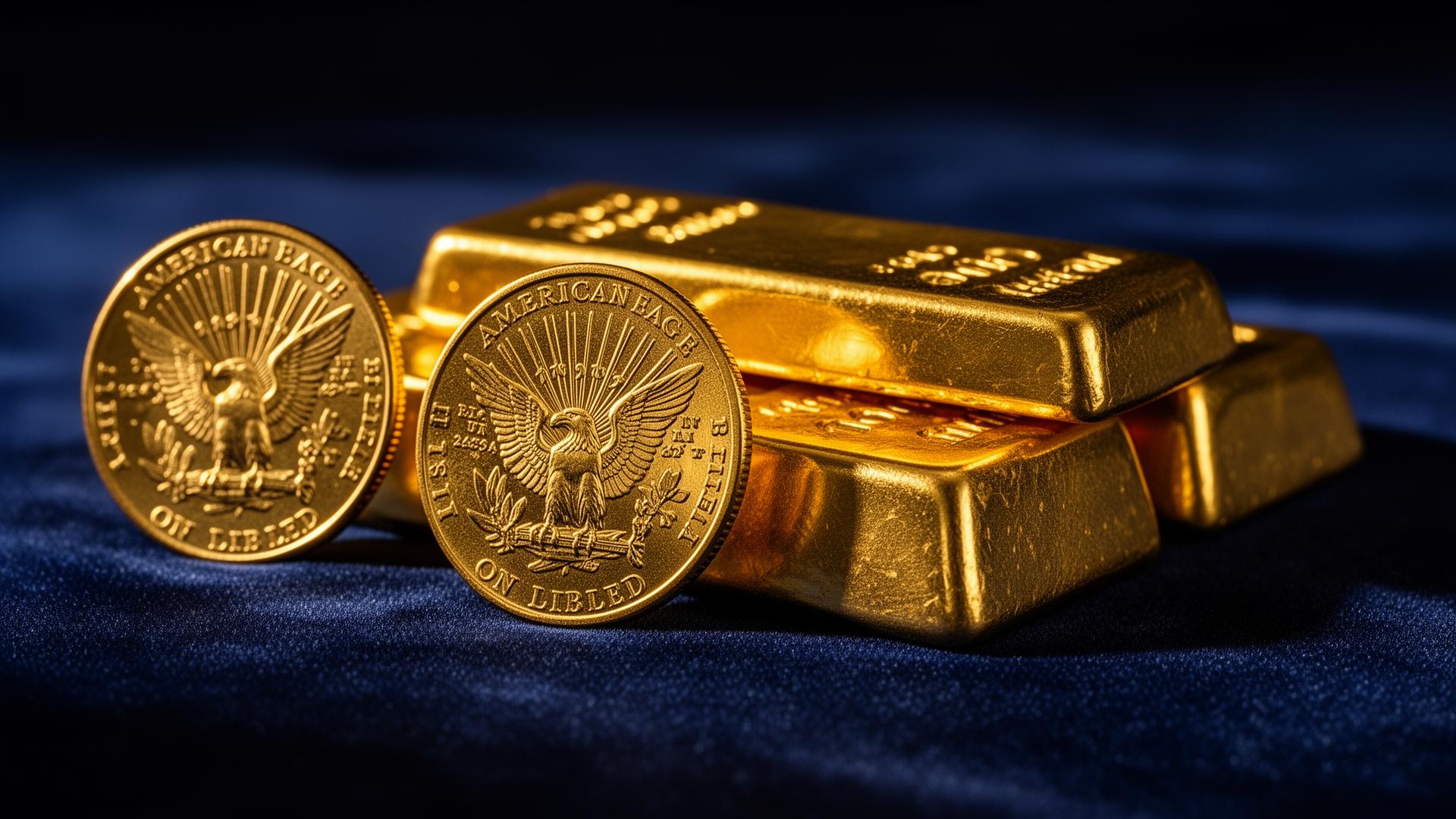
In recent years, the market for rare coins has experienced a notable surge in interest — not just among traditional numismatists, but also among broader groups of investors and hobbyists. What once was a niche corner of the collectibles world has steadily grown into a vibrant marketplace driven by historical intrigue, investment potential, and a growing appreciation for tangible assets. This rising demand has transformed how rare coins are valued, traded, and perceived globally.
1. What Defines a “Rare” Coin?
Before understanding demand, it’s important to define what “rare” means in numismatics. A coin is typically considered rare when:
-
Low surviving population: Only a limited number are known to exist.
-
Historic significance: It represents a unique moment in history, reign, or transition.
-
Mint errors or variations: Unusual features stemming from production mistakes.
-
High collector interest: Regardless of official rarity, some coins become desirable due to story and popularity among collectors.
Rarity isn’t measured purely by quantity. The stories behind coins — who used them, when, and why — often elevate demand.
2. Why Demand Is Increasing
Several factors have combined to fuel the recent growth in demand for rare coins:
a) Tangible Assets in an Uncertain Economy
In a financial world increasingly dominated by digital assets, rare coins remain appealing because they are tangible, finite, and historically proven stores of value. Unlike stocks or digital currencies, physical coins cannot be created at will, manipulated electronically, or fully replaced by digital versions. This rarity, paired with historical legacy, positions them as desirable alternatives in uncertain economic times.
b) Growing Interest Among Younger Collectors
While coin collecting has often been associated with older generations, recent years have seen a resurgence in interest among younger buyers. Several factors contribute to this shift:
-
Social media and digital communities: Platforms dedicated to numismatics make learning and sharing easier.
-
Access to educational content: Podcasts, blogs, and online marketplaces demystify the hobby.
-
Interest in alternative investments: Millennials and Gen Z are seeking diversification beyond stocks and real estate.
This fresh influx of Fort Worth Coin Buyers brings new energy and attention to the market.
c) Online Marketplaces and Accessibility
Prior to the digital age, coin buyers mainly connected through local clubs, auctions, or in-person shows. Today, online marketplaces have reshaped accessibility:
-
Global reach: A rare coin listed in one part of the world can be seen simultaneously by buyers on every continent.
-
Transparent pricing: Platforms showcase recent sales and listings, making it easier to assess market value.
-
Convenient bidding and purchasing: No need to travel or wait for auction catalogs.
This digital transformation has empowered buyers, expanded markets, and encouraged more frequent trading.
d) Investment Potential
Although historically considered a hobby, rare coins are increasingly viewed as alternative investments. Unlike paper or digital securities, most coins:
-
Have intrinsic artistic and historical value.
-
Are immune to digital breaches.
-
Cannot be devalued through inflationary monetary policy.
Certain coins have delivered strong long-term returns. For example, classic rarities like early American gold coins, key date Morgan silver dollars, or historically important foreign coins have shown steady or increasing valuation at auction.
3. Where Demand Is Most Intense
Some segments of the rare coin market have seen especially high demand:
a) Key Date and Low Mintage Coins
Coins with extremely low mintages — often produced during economic downturns or for limited ceremonial use — are among the most sought-after. The scarcer the original strike, and the fewer that survive in high condition, the more competitive the bidding typically becomes.
b) Mint Errors and Unique Variants
Error coins command substantial attention. Examples include:
-
Misstrikes (off-center, double strike, clipped planchets)
-
Die cracks or doubling
-
Wrong or missing elements
Collectors enjoy the novelty and individuality of error pieces, driving niche markets within the broader coin community.
c) Historical and Legacy Pieces
Coins associated with historic figures, key events, or transitional periods — such as early U.S. colonial issues, ancient Roman denarii, or coins linked to notable discoveries — have a built-in narrative that enhances demand. These pieces attract both investors and enthusiasts drawn to their story as much as their value.
d) High-Grade Examples
Even among common issues, coins in exceptionally high grade — especially those certified by professional grading services — have seen premiums. Buyers increasingly seek quality, preservation, and certification as markers of long-term value.
4. The Role of Grading and Certification
Central to the modern coin market is third-party grading and certification. Organizations like the Numismatic Guaranty Corporation (NGC) and Professional Coin Grading Service (PCGS) have standardized evaluation, offering:
-
Assessment of authenticity
-
Grading of condition on a numeric scale
-
Encapsulation (slabbing) for protection
Certified coins command more trust, more predictable prices, and increased liquidity. As grading standards improve and databases expand, buyers feel more secure investing in rare pieces.
5. Market Dynamics: Supply, Demand, and Pricing
Rare coin demand has affected broader market dynamics:
a) Limited Supply, Rising Interest
True rarities cannot be manufactured — meaning collectors must compete for the same finite pieces. As interest grows, bidding wars and higher valuations are more common at major auctions and online sales.
b) Price Appreciation Trends
While not every rare coin will increase dramatically in value, major rarities often trend up over time. Economic uncertainty, demographic changes among collectors, and heightened attention from investors have contributed to stronger pricing benchmarks.
b) Growing Interest Among Younger Collectors
0
Publicized high-value sales — such as record-setting ancient coins or American rarities breaking million-dollar thresholds — raise awareness and spark further demand. Media coverage and dealer reports amplify interest, attracting new buyers.
6. Risks and Considerations for Buyers
While the market’s growth is exciting, buyers should approach rare coins with care:
b) Growing Interest Among Younger Collectors
1
As value rises, so does the incentive for forgery or misrepresentation. Buyers must rely on reputable dealers, certified grading, and careful research to avoid costly mistakes.
b) Growing Interest Among Younger Collectors
2
Demand fluctuates. Coins considered “hot” today may cool in interest tomorrow. Diversification and long-term thinking help manage risk.
b) Growing Interest Among Younger Collectors
3
Proper care — from humidity-controlled storage to secure safes — is critical. Mishandling or poor storage can significantly reduce a coin’s grade and market value.
7. Looking Ahead: The Future of Rare Coins
The rare coin market shows promising signs of continued expansion:
-
Technological Integration: Online auctions, virtual shows, and digital cataloging will make rare coins even more accessible.
-
Global Participation: Emerging markets in Asia, Africa, and the Middle East are increasingly active in rare coin collecting.
-
Educational Outreach: Growth in coins’ cultural and historical appreciation will draw new generations into the hobby.
As both a collecting passion and an alternative asset class, rare coins occupy a unique and enduring space — one rooted in history but constantly evolving with market dynamics.
Conclusion
The growing demand for rare coins among coin buyers reflects a blend of historical fascination, investment strategy, and modern accessibility. Whether driven by economic conditions, digital marketplace expansion, or an appreciation for the tangible and timeless, rare coins are capturing the attention of a broad audience. For both seasoned collectors and newcomers, navigating this market with knowledge, patience, and care can lead not only to meaningful acquisitions but also to a deeper connection with history itself.