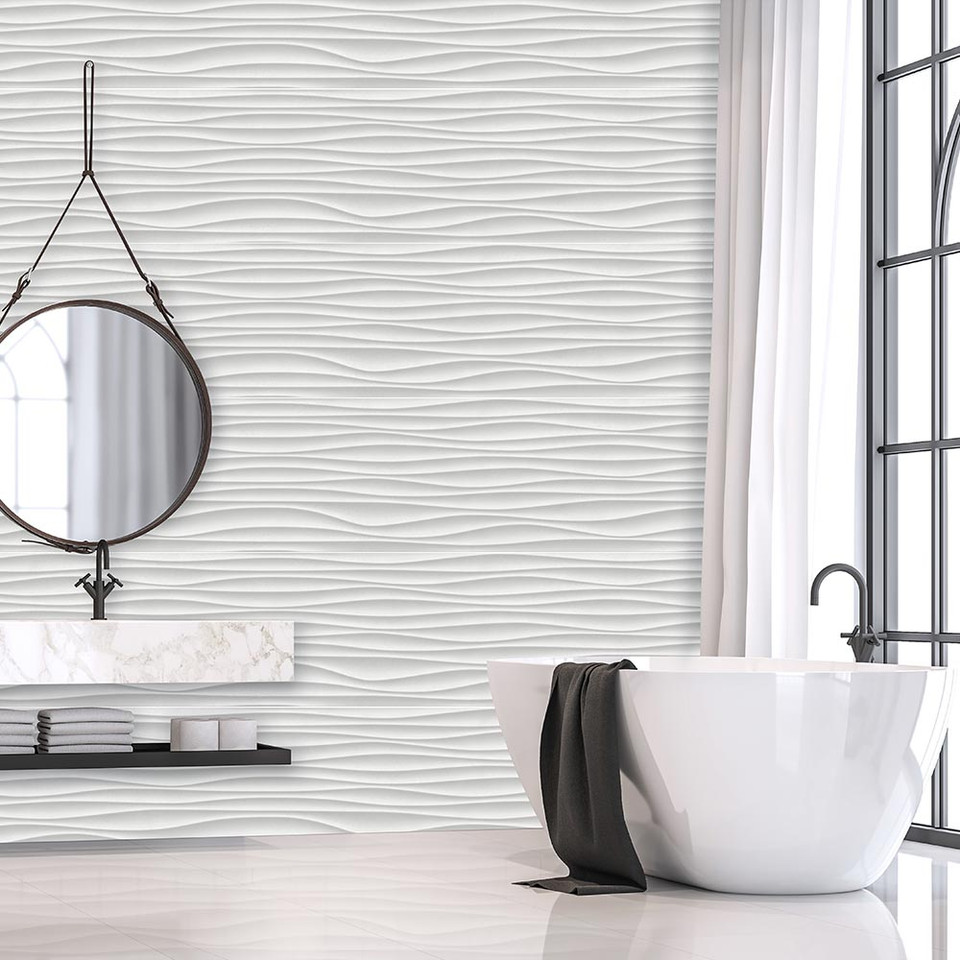
When one considers British discipline quirks, the mind might drift to thatched cottages or Victorian gingerbread trim. Yet, a more confuse and captivating phenomenon is softly adorning the walls of homes and world spaces across the commonwealth: the earthly concern of gothic and unlawful wall panels. Moving far beyond the ubiquitous woodchip Anaglypta or suave MDF, a subculture of designers and homeowners is embrace panels that tell stories, take exception perceptions, and transform flat surfaces into dimensional art. This is not mere interior plan; it is a form of discipline storytelling, and its popularity is billowy as populate seek to produce truly unique personal environments paneling walls.
The New Data on Decorative Surfaces
The demand for characterful interiors is more than account. A 2024 report by the Interior Design Association UK disclosed a significant transfer in householder priorities. The study establish that over 62 of respondents undertaking renovations are now prioritising unusual character and subjective verbalism over neutral and loosely likeable designs. This has directly burning a recess commercialise for usance and artisanal wall treatments. Suppliers specialising in 3D panels and three-dimensional figure wall coverings rumored a 45 year-on-year step-up in sales in the first draw and quarter of 2024 alone, indicating a move away from flat paint and paper towards unsmooth, touchable experiences.
Case Study 1: The Bristol Bio-Morphic Bathroom
In a terraced house in Bristol, a once-plain can was changed into an organic fertiliser grot using panels cast from actual hulk magnolia leaves. The householder, a ceramic creative person, worked with a specialiser plasterer to create food-grade silicone moulds from the leaves. They then cast them in a raincoat, pigmented hydraulic lime poultice. The leave is a breathtakingly philosophical doctrine texture where shadows play across the intricate veins and contours of the leaves. It connects the room to nature in a way a plant never could, the owner explains. The panels are the architecture. They feel ancient and sensitive, turn a usefulness quad into a sensory pull away. This case highlights the cu of using place casting techniques to bring up raw, natural forms directly into the home.
- Material: Hydraulic lime plaster cast from silicone polymer moulds.
- Inspiration: Direct biomimicry, using real flora.
- Effect: Creates an immersive, cave-like organic fertiliser atm.
Case Study 2: The London Laser-Cut Labyrinth
A tech enterpriser in Shoreditch jilted the typical heavy-duty-loft aesthetic in privilege of something that echolike a passion for puzzles and patterns. An entire sport wall was clad in optical maser-cut birch plyboard panels featuring an intricate, meshing pure mathematics pattern glorious by Islamic girih tiles and Bodoni secret writing syntax. The design is not a simple take over; it s a around-the-clock, non-repeating tessellation that draws the eye across the wall. The panels are affixed with a small gap from the master copy wall, allowing for structured LED lighting that casts shadows, qualification the model appear to shift throughout the day. It s a atmospherics wall that feels moral force, the owner notes. It represents the regulated complexity I love about engineering, but rendered in a warm, cancel stuff.
- Material: Laser-cut birch plywood with a cancel oil finish up.
- Inspiration: Fusion of ancient tiling art and recursive design.
- Effect: A dynamic, intellectual focal aim that plays with dismount and shade.
Case Study 3: The Glasgow Upcycled Narrative
Perhaps the most conceptually unusual panels can be ground in a community pore in Glasgow. An creative person collective sourced hundreds of cast-off objects from the local area old tool handles, wiped out toys, worn-out shoe soles, and fragments of dishware. These items were unreal in story panels within deep wooden frames and plastered with a clear rosin. One empanel tells a news report of topical anaestheti industry, another of childhood games. They are not just textural; they are archaeologic digs, unmelted in time. A center visitant remarked, You can look at it a one C times and see something new each time. It s our history, literally embedded in the walls. This approach turns wall panels into archives and pieces