
• Radiant Skin The Ultimate Guide to Effective Treatments

    By AQ September 26, 2024

    You’re probably no stranger to the quest for radiant skin, but what sets you apart from achieving that coveted glow? Is it your skincare routine, or perhaps a lack of understanding about your skin type and concerns? Whatever the reason, it’s time to take a closer look at the essential components that make up an effective skincare plan. By grasping the fundamentals and exploring advanced treatments, you’ll be one step closer to unlocking your skin’s full potential. So, where do you start, and what’s holding you back from revealing your brightest, most radiant complexion?

    Understanding Skin Types and Concerns

    Your skin is a unique canvas, and understanding its intricacies is key to achieving radiant skin. Recognizing your skin type is crucial, as it determines how your skin reacts to products and treatments.

    There are five main skin types: normal, dry, oily, combination, and sensitive. Normal skin is balanced, with no significant concerns. Dry skin lacks moisture, often feeling tight and flaky. Oily skin overproduces sebum, leading to a greasy appearance. Combination skin has a mix of oily and dry areas, while sensitive skin reacts easily to products and environmental factors.

    Understanding your skin concerns is also vital. Acne, fine lines, and hyperpigmentation are common issues. Acne-prone skin is characterized by frequent breakouts, while fine lines and wrinkles are signs of aging.

    Hyperpigmentation, or skin discoloration, can be caused by sun damage or hormonal changes. Identifying your skin concerns allows you to target specific areas and develop a personalized skincare plan.

    Essential Skincare Routine Components

    With a clear understanding of your skin type and concerns, you can now focus on crafting a well-rounded skincare routine. A good routine consists of a few essential components that work together to cleanse, nourish, and protect your skin.

    First, you’ll need a gentle cleanser that effectively removes dirt and impurities without stripping your skin of its natural oils. You’ll also need a toner that balances your skin’s pH, tightens pores, and prepares your skin farsk nad+ further products.

    A rich moisturizer is crucial for locking in hydration and protecting your skin from environmental stressors.

    Exfoliating once or twice a week is also essential for removing dead skin cells and unclogging pores. Use a physical exfoliant, like a gentle scrub, or a chemical exfoliant, like alpha-hydroxy acids, depending on your skin type.

    Advanced Treatments for Glowing Skin

    In addition to a well-rounded skincare routine, incorporating advanced treatments can take your skin to the next level. Advanced treatments are designed to target specific skin concerns, such as fine lines, dark spots, and uneven texture.

    One popular option is chemical exfoliation, which uses alpha-hydroxy acids (AHAs) or beta-hydroxy acids (BHAs) to remove dead skin cells and reveal brighter, smoother skin.

    You can also consider using at-home peeling kits or masks that contain enzyme exfoliants, which gently break down dead skin cells without causing irritation. Another option is to try light therapy treatments, which use specific wavelengths of light to target concerns such as acne, aging, or hyperpigmentation.

    Additionally, you can incorporate facial massage into your routine, which can increase blood flow and help to reduce the appearance of fine lines and wrinkles. By incorporating these advanced treatments into your skincare routine, you can achieve a more radiant and glowing complexion. By doing so, you’ll be on your way to achieving the healthy, glowing skin you’ve always wanted.

    Professional Skin Treatments Explained

    Professional skin treatments offer a range of options for tackling specific skin concerns that may not be addressed by at-home treatments or products. You’ll have access to advanced equipment, expert knowledge, and personalized care that can make a significant difference in achieving radiant skin.

    Chemical peels, for instance, can help you address issues like hyperpigmentation, acne scars, and fine lines. These treatments involve applying a solution to remove the top layers of your skin, revealing smoother and brighter skin.

    Microdermabrasion is another popular option that uses fine crystals to exfoliate your skin, improving texture and tone.

    Laser treatments can target deeper skin concerns like broken capillaries, sun damage, and unwanted hair. You can also opt for microneedling, which stimulates collagen production to improve skin elasticity and firmness.

    Additionally, professional facials can provide customized deep cleansing, extractions, and nourishment to address specific skin concerns. By exploring these professional skin treatments, you’ll be able to find the best solutions for your unique skin needs and achieve the radiant glow you desire.

    Customizing Your Radiant Skin Plan

    You’ve explored various professional skin treatments and are now ready to create a plan tailored to your unique skin needs.

    Customizing your radiant skin plan involves considering your skin type, concerns, and goals. Start by identifying your skin type – is it dry, oily, combination, or sensitive?

    Then, think about your concerns – do you struggle with acne, fine lines, or hyperpigmentation?

    To create an effective plan, consider the following:

    1. Set realistic goals: What do you want to achieve with your skin care plan? Do you want to reduce acne, improve skin texture, or fade age spots?
    2. Assess your lifestyle: How does your daily routine impact your skin? Do you work outdoors, smoke, or have a poor diet?
    3. Choose the right products: Select products that address your specific skin concerns and are suitable for your skin type.
    4. Schedule regular treatments: Book regular appointments with a dermatologist or esthetician to maintain and enhance your skin health.

    Conclusion

    You’ve got the tools to unlock radiant skin. By understanding your skin type and concerns, you can create a tailored plan that combines essential skincare routines, advanced treatments, and professional interventions. Don’t be afraid to mix and match – your skin is unique, and what works for someone else might not work for you. Stay committed, and you’ll start to see a brighter, more radiant complexion. Experiment and adjust your plan as you go.


  • Transform Your Projects Buy the Best Glass Components

    By AQ September 26, 2024

    You’re on the verge of launching a new project, and the type of glass components you choose can make all the difference. High-quality glass isn’t just about aesthetics; it’s also about durability and functionality. By investing in the best glass components, you can ensure your project stands the test of time and meets your needs. But with so many options available, how do you know which type of glass to choose? The right decision can significantly impact your project’s success – but what are the key factors you should consider to make an informed choice?

    Choosing the Right Glass Type

    When selecting glass components, it’s essential to consider the environment they’ll be used in. Different environments require specific types of glass to ensure durability and longevity.

    For example, if you’re working on a project that involves exposure to extreme temperatures, you’ll want to choose a type of glass that can withstand heat or cold.

    You’ll also need to consider the type of application the glass component will be used for. mirror trim instance, if you’re creating a decorative piece, you may want to opt for a colored or textured glass to add a unique touch.

    On the other hand, if you’re working on a functional project, such as a door or window, you’ll want to choose a type of glass that provides clarity and visibility.

    Some common types of glass include soda-lime glass, borosilicate glass, and tempered glass. Each type has its own unique properties and applications.

    Benefits of High Quality Glass

    Choosing the right type of glass is just the first step in creating a successful project.

    You also need to consider the quality of the glass components you’re using. High-quality glass can elevate your project and provide numerous benefits.

    Investing in high-quality glass components can save you money and time in the long run.

    Here are three key benefits:

    1. Durability: High-quality glass is more resistant to scratches, cracks, and breaks, reducing the need for frequent replacements.
    2. Safety: Premium glass components are designed to meet strict safety standards, minimizing the risk of injuries and accidents.
    3. Aesthetics: High-quality glass can enhance the appearance of your project, providing a sleek and polished finish that complements your design.

    Essential Glass Component Features

    You’re looking at more than just the type of glass you’re using – you’re also considering the components that bring it all together. When it comes to choosing the right glass components for your project, you need to consider several essential features.

    First and foremost, you’ll want to look at the durability and strength of the components. This includes the type of material used, such as stainless steel or aluminum, and the thickness of the components.

    You’ll also want to consider the corrosion resistance of the components, especially if they’ll be exposed to the elements.

    In addition to durability, you’ll also want to consider the functionality of the components. This includes the type of hardware, such as hinges or handles, and the type of seals or gaskets used.

    You’ll also want to think about the ease of installation and maintenance of the components.

    Lastly, you’ll want to consider the aesthetic appeal of the components. This includes the finish, color, and style of the components, and how they’ll complement the rest of your project.

    Evaluating Glass Component Brands

    As you narrow down your options for glass components, evaluating the brands behind them becomes a crucial step in the decision-making process.

    You want to ensure that the brand you choose is reputable, reliable, and produces high-quality components that meet your project’s needs.

    To evaluate glass component brands effectively, you should consider the following key factors:

    1. Industry experience: How long has the brand been in the industry, and what experience do they’ve in producing glass components?
    2. Quality certifications: Does the brand hold any relevant quality certifications, such as ISO 9001, that demonstrate their commitment to quality and excellence?
    3. Customer reviews and ratings: What do previous customers say about the brand’s products and services, and do they’ve a good reputation in the industry?

    Installing and Maintaining Glass

    When selecting glass components, it’s essential to think beyond the initial purchase, considering the installation process and ongoing maintenance requirements. This will help you choose the right glass for your project and ensure it lasts for years to come.

    You’ll want to consider factors like the weight and size of the glass, as well as any specific installation requirements, such as specialized hardware or adhesives.

    When installing glass components, you’ll want to follow the manufacturer’s instructions carefully to ensure a secure and safe fit. This may involve measuring and marking the area where the glass will be installed, cleaning the surface to ensure a strong bond, and applying the correct amount of adhesive or sealant.

    Once the glass is in place, you’ll want to test it to make sure it’s securely fastened and functioning as intended.

    To maintain your glass components, you’ll want to clean them regularly using a gentle soap and water solution, and avoid using harsh chemicals or abrasive materials that can scratch or damage the surface.

    Conclusion

    You’ve learned what it takes to transform your projects with the best glass components. Now, it’s time to put your knowledge into action. By choosing the right glass type, investing in high-quality features, and selecting a reliable brand, you’ll create a polished finish that stands the test of time. Proper installation and maintenance will ensure your glass components continue to impress, elevating your projects and providing long-term benefits you can be proud of.

  • Fire Safety and Metal Roof Panels What You Need to Know

    By AQ September 26, 2024

    When installing metal roof panels, it’s essential that you consider fire safety to ensure your building remains secure. While metal roofs are generally non-combustible, they can still be prone to fires caused by other factors such as electrical malfunctions or debris buildup. You might assume that all metal roof panels meet the same fire resistance standards, but that’s not always the case. Different materials and testing methods can significantly impact a panel’s fire resistance rating. So, what do you need to know to ensure your metal roof meets local building codes and regulations, and what are the potential consequences if it doesn’t?

    Fire Risks and Metal Roofs

    Most metal roofs are designed to be fire-resistant, but they can still pose fire risks under certain conditions. You need to be aware of these potential risks to ensure your safety and the safety of your property.

    One common fire risk associated with metal roofs is the installation of electrical systems, such as solar panels or lightning rods. If these systems aren’t installed correctly, they can cause sparks that ignite nearby flammable materials.

    You should also be cautious of sparks from welding or grinding operations near your metal roof. These sparks can easily ignite debris, such as leaves or twigs, that have accumulated on your roof.

    Additionally, metal roofs can be vulnerable to fire risks if they aren’t properly maintained. For example, if debris accumulates on your roof, it can create a fire hazard.

    Regularly inspecting and maintaining your metal roof can help minimize these risks. By being aware of these potential fire risks, you can take steps to protect your property and ensure your safety.

    Regular maintenance and inspections are key to preventing fires.

    Metal Roof Panel Materials

    When choosing metal roof panels, you’re not limited to a single material – various options are available, each with its own unique characteristics and benefits.

    The material you choose can significantly impact the overall performance and safety of your roof. You should consider factors like durability, corrosion resistance, and cost when making your decision.

    Some common metal roof panel materials include:

    • Galvanized steel: A cost-effective option that’s resistant to corrosion and can be coated with a variety of finishes to enhance its appearance and durability.
    • Aluminum: A lightweight and corrosion-resistant material that’s ideal for coastal or high-humidity areas where saltwater or moisture can be a concern.
    • Copper: A premium material that’s known for its durability, corrosion resistance, and attractive appearance, making it a popular choice for high-end architectural projects.

    The material you choose can also impact the installation process and the type of fasteners and sealants required.

    It’s essential to consider your specific needs and climate when selecting a metal roof panel material to ensure a safe and durable installation.

    Fire Resistance Ratings

    As you dive into the world of metal roof panels, it’s essential to factor in fire resistance ratings. These ratings measure a panel’s ability to withstand exposure to heat and flames. Fire resistance ratings are critical in determining the safety and performance of metal roof panels in various building applications.

    To understand fire resistance ratings, you need to consider the panel’s core materials and construction. The table below provides a general overview of common metal roof panel materials and their fire resistance ratings:

    Material Fire Resistance Rating Thickness
    Galvanized steel 1-2 hours 0.020-0.030 in
    Aluminum 1-2 hours 0.020-0.030 in
    Stainless steel 2-3 hours 0.030-0.040 in
    Insulated metal panels 1-4 hours 2-4 in

    You can see that fire resistance ratings vary depending on the material and thickness of the panel. It’s crucial to select a panel with a suitable fire resistance rating for your specific building application. This will ensure compliance with local building codes and regulations, and provide a safe and durable roofing solution.

    Testing and Certification Methods

    To ensure metal roof panels meet the required fire resistance standards, manufacturers put them through rigorous testing. This testing is crucial to determine the panels’ ability to withstand fires and prevent the spread of flames.

    You need to know that these tests are conducted in accordance with established standards, such as those set by the International Code Council (ICC) and the National Fire Protection Association (NFPA).

    These tests evaluate the panels’ fire resistance, including their ability to:

    • *Withstand exposure to high temperatures*
    • *Prevent ignition and the spread of flames*
    • *Maintain structural integrity during a fire*

    Manufacturers must also obtain certifications from independent testing organizations, such as Underwriters Laboratories (UL) and Intertek.

    These certifications verify that the metal roof panels meet the required fire resistance standards. When selecting metal roof panels, you should look for these certifications to ensure that the products you choose meet the necessary fire safety standards.

    Fire Safety Design Considerations

    Now that you’re aware of the rigorous testing and certification methods metal roof panels undergo for fire resistance, it’s time to consider how these panels fit into your building’s overall fire safety design.

    When designing a building with a metal roof, you’ll need to consider the entire system, including the deck, insulation, and underlayment. The type of deck you choose can significantly impact the overall fire safety of your building. For example, a non-combustible deck can provide an added layer of protection in the event of a fire.

    You’ll also need to consider the fire-resistance rating of the entire assembly, including the metal roof panels, insulation, and deck. This rating is typically determined by testing the assembly in accordance with ASTM E119 or UL 263.

    Additionally, you’ll need to ensure that the metal roof panels are properly installed and sealed to prevent the spread of fire. By considering these factors, you can create a comprehensive fire safety design that meets or exceeds local building codes and regulations. This will help protect people and property in the event of a fire.

    Conclusion

    You’ve taken the first step in ensuring your metal roofing accessories panel installation is fire-safe by understanding the risks and considerations involved. Now, you’ll be able to make informed decisions about your metal roofing system. From choosing the right materials to maintaining your roof, you’ll be prepared to minimize fire risks. By following local building codes and regulations, you’ll have a safe and secure metal roofing system that protects you and your property.

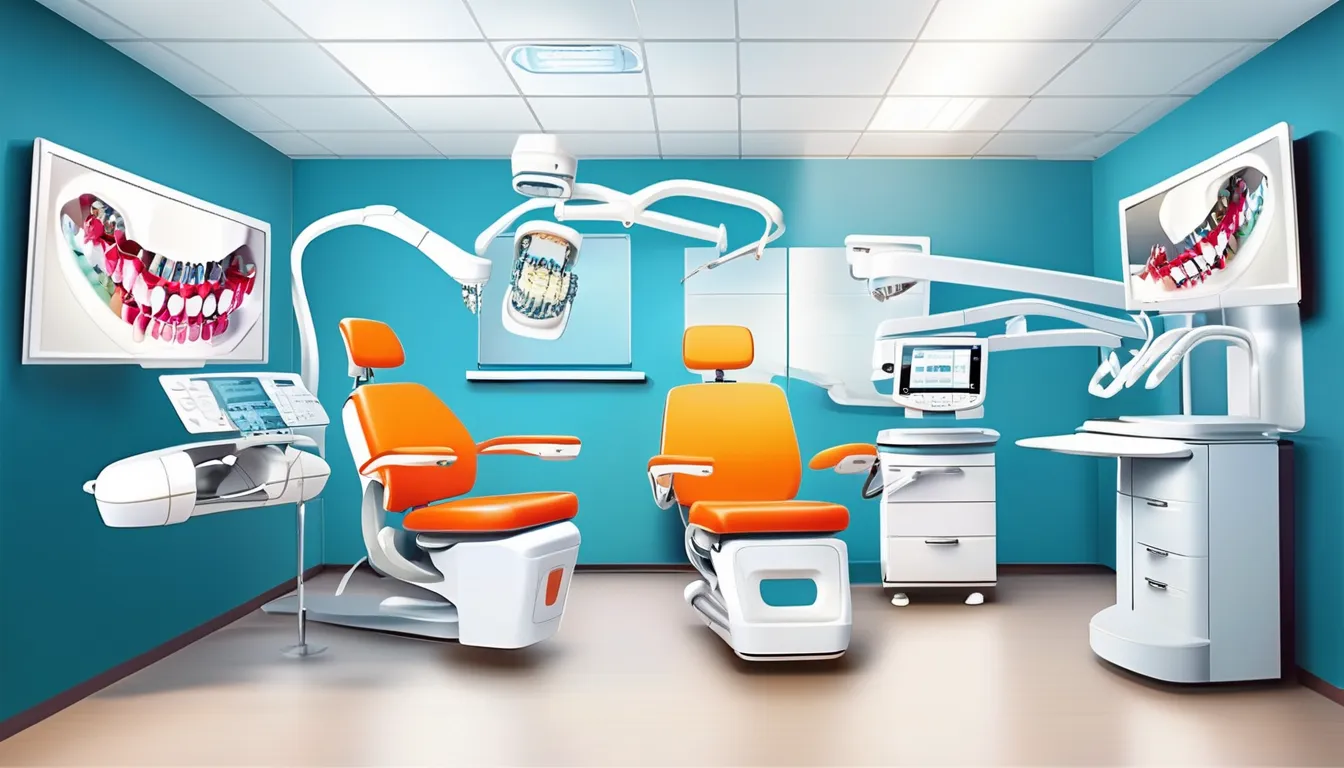
  • Start Your Journey to Perfect Smiles With Orthodontics

    By AQ September 26, 2024

    You've probably seen the impact a perfect smile can have on someone's life – it can boost confidence, make social interactions more enjoyable, and even improve overall health. If you're considering orthodontic treatment to achieve that perfect smile, you're likely wondering where to start. With various options available, from traditional braces to clear aligners, it can be overwhelming to determine the best course of action for your unique needs. What if you could find a solution that not only corrects misaligned teeth but also enhances your overall well-being – and where do you begin your journey?

    Understanding Orthodontic Treatments

    When it comes to addressing issues with the alignment of your teeth or the way your jaw functions, understanding orthodontic treatments is key.

    Orthodontic treatments involve using various appliances and techniques to correct misaligned teeth and jaws. You'll work closely with an orthodontist to develop a personalized treatment plan tailored to your specific needs.

    The most common type of orthodontic appliance is braces, which consist of brackets, wires, and bands that gently move your teeth into their proper positions.

    Invisalign, a clear aligner system, is another popular option that uses removable trays to straighten teeth.

    Orthodontic appliances can also be used to address issues with the jaw, such as overbites or underbites.

    In some cases, orthodontic treatments may involve a combination of appliances and surgical procedures.

    To ensure the best results, it's essential to follow your orthodontist's instructions carefully.

    This includes attending regular appointments, maintaining good oral hygiene, and avoiding certain foods that can damage your appliances.

    Benefits of Orthodontic Care

    A healthy, straight smile can greatly impact your overall confidence and well-being. By investing in orthodontic care, you'll experience a significant boost in self-esteem. You'll feel more comfortable smiling in front of others and won't be self-conscious about your teeth.

    This newfound confidence can benefit many areas of your life, from personal relationships to professional interactions.

    Orthodontic care also improves the overall health of your mouth. Straight teeth are easier to clean, reducing the risk of tooth decay and gum disease.

    Misaligned teeth can lead to uneven wear, which can cause discomfort and further damage. By aligning your teeth, you'll minimize these issues and reduce the risk of costly dental repairs down the line.

    Furthermore, orthodontic care can even alleviate certain health issues, such as headaches and earaches, which can be caused by misaligned teeth.

    You'll also experience improved chewing and digestion, as properly aligned teeth make eating and speaking easier. With orthodontic care, you can enjoy a healthier, more confident you, and that's something to smile about.

    Types of Orthodontic Appliances

    Now that you've seen the many benefits of orthodontic care, let's take a closer look at the various types of orthodontic appliances available to help you achieve that perfect smile.

    Orthodontic appliances come in different forms and are designed to cater to various needs and preferences. Some are removable, while others are fixed.

    Choosing the right appliance depends on the severity of your orthodontic issue and your lifestyle.

    Here are some common types of orthodontic appliances:

    1. Traditional Braces: Made of metal, ceramic, or clear brackets and wires that work together to straighten teeth.
    2. Clear Aligners: A series of removable, transparent trays that gently move teeth into place.
    3. Retainers: Used after orthodontic treatment to maintain the new position of your teeth.
    4. Palatal Expanders: Appliances that expand the upper jaw to correct issues with overcrowding or crossbite.

    Understanding the different types of orthodontic appliances can help you make informed decisions about your treatment.

    Orthodontic Treatment Process

    Most people undergo orthodontic treatment with a clear idea of the desired outcome – a perfect smile – but may not fully understand the process involved in achieving it.

    The orthodontic treatment process typically begins with an initial consultation, where you'll discuss your concerns and goals with an orthodontist. They'll examine your teeth and take X-rays or impressions to assess the severity of the issue.

    Based on this assessment, the orthodontist will create a personalized treatment plan, outlining the steps required to achieve your desired smile. This plan may include the use of appliances, such as braces or clear aligners, to gradually shift your teeth into their optimal positions.

    Throughout your treatment, you'll attend regular follow-up appointments with the orthodontist to monitor progress and make any necessary adjustments. These appointments are usually scheduled every 4-6 weeks, depending on your specific treatment plan.

    Cost and Insurance Options

    Your orthodontic treatment plan is personalized to address your unique needs, but it's equally important to consider the financial aspect of your care.

    Understanding the costs and insurance options available to you can help you make informed decisions about your treatment.

    The cost of orthodontic treatment varies depending on several factors, including the severity of your condition, the type of treatment you choose, and your location.

    Here are some factors that can impact your orthodontic costs:

    1. Type of treatment: Traditional metal braces, ceramic braces, and clear aligners have different price points.
    2. Treatment duration: Longer treatment periods typically require more frequent appointments and adjustments.
    3. Insurance coverage: Check if your insurance plan covers orthodontic treatment and what percentage of the costs are covered.
    4. Additional procedures: Some cases may require additional procedures, such as extractions or surgical interventions, which can add to the overall cost.

    Discuss your financial concerns with your orthodontist to determine the best course of treatment for your needs and budget.

    They can help you explore payment options and insurance coverage to make your orthodontic care more affordable.

    Maintaining Your New Smile

    After investing time and money into orthodontic treatment, you want to ensure your new smile lasts. Maintaining your new smile requires discipline and commitment to your orthodontist's recommendations.

    One crucial step is to wear your retainers as instructed. Retainers prevent your teeth from shifting and maintain the alignment achieved through orthodontic treatment. You may need to wear them full-time initially, then gradually reduce the frequency as your teeth settle.

    You should also practice good oral hygiene to keep your teeth and gums healthy. Brush your teeth at least twice a day and floss once a day to remove plaque and food particles.

    Regular dental check-ups are also essential to monitor your oral health and address any issues promptly. Additionally, avoid habits that can damage your teeth, such as biting your nails or chewing on hard objects.

    Frequently Asked Questions

    Can I Play Musical Instruments With Orthodontic Appliances?

    You can play musical instruments with orthodontic appliances, but it might take some practice to get used to them. Start with simple songs and gradually move on to more complex ones as you adapt.

    Are Orthodontic Treatments Painful for Children?

    You'll be relieved to know that modern orthodontic treatments are designed to be relatively painless for kids. Mild discomfort is normal, but it's temporary and usually subsides within a few days of adjustments, you'll adjust quickly.

    Can Adults With Gum Disease Get Orthodontic Treatment?

    You can still get orthodontic treatment as an adult with gum disease, but you'll need to address the gum issue first. Your dentist or orthodontist will help you stabilize the condition before starting orthodontic work.

    How Do I Handle a Loose Orthodontic Bracket?

    If you notice a loose orthodontic bracket, don't panic, you can handle it by gently cleaning the area with a soft toothbrush and avoiding tight or sticky foods until your orthodontist can reattach it securely.

    Can I Travel During Orthodontic Treatment Abroad?

    You can travel during orthodontic treatment, but it's essential to plan ahead, notify your orthodontist, and schedule follow-up appointments before and after your trip to ensure your treatment stays on track abroad.

    Conclusion

    You've taken the first step towards achieving a perfect smile by learning about 町田 矯正歯科 . Now it's time to put your knowledge into action. With a personalized treatment plan, you'll be on your way to a healthy, straight smile that boosts your confidence and improves your oral health. By investing in orthodontic care, you'll set yourself up for a lifetime of radiant smiles and overall well-being. Take control of your smile today and start your journey.

  • Steps to Reclaim Lost Money From an Investment Scam

    By AQ September 26, 2024

    If you’ve fallen victim to an investment scam, it’s essential to act quickly to reclaim your lost money. Reporting the scam to local authorities and regulatory agencies is the first step, as it helps to build a case and potentially freeze the scammer’s assets. Gathering essential documents, like contracts and bank statements, is also crucial funds recovery from crypto scam a successful recovery. But what happens next? Can you actually get your money back, and how do you increase your chances of success? The next steps you take will be crucial in determining the outcome, so it’s vital to proceed with caution and a solid plan.

    Report the Investment Scam

    Don’t delay reporting the investment scam. The sooner you report it, the higher the chances of recovering your lost money.

    Start by contacting your local authorities, such as the police department or the Federal Trade Commission (FTC). Provide them with as much information as possible about the scam, including the name of the company, the people involved, and the amount of money you lost.

    When reporting the scam, be prepared to provide detailed information about the investment, including any documents or emails you received from the scammer.

    You should also report the scam to the relevant regulatory agencies, such as the Securities and Exchange Commission (SEC) or the Commodity Futures Trading Commission (CFTC). These agencies can help you recover your money and also take action against the scammer.

    Reporting the scam is a crucial step in recovering your lost money. By acting quickly and providing as much information as possible, you can increase the chances of getting your money back.

    Gather Essential Documents

    After reporting the investment scam, your next step is to gather all relevant documents related to the investment.

    This will help you build a strong case and increase your chances of recovering your lost money.

    Start by collecting documents that prove your investment, including contracts, agreements, and receipts.

    Some essential documents to gather include:

    • *Investment contracts and agreements*: These documents outline the terms and conditions of your investment, including the amount invested and the expected returns.
    • *Bank statements and transaction records*: These documents show the flow of money into and out of your account, including any suspicious transactions related to the scam.
    • *Emails and correspondence*: Any communication with the scammers, including emails, letters, and text messages, can be useful in building your case.

    Keep these documents organized and in a safe place, as you’ll need them to support your claim.

    Make copies of the documents and store them separately in case the originals are lost or damaged.

    File a Complaint

    When you’ve gathered all the necessary documents, it’s time to take the next crucial step: filing a complaint with the relevant authorities.

    You should file a complaint with the regulatory agency that oversees the type of investment that was involved in the scam. For instance, if you invested in stocks, you’ll need to contact the Securities and Exchange Commission (SEC) or the Financial Industry Regulatory Authority (FINRA).

    If your investment was in real estate, you’ll need to contact your state’s real estate commission.

    You should also file a complaint with the Federal Trade Commission (FTC) and your state’s Attorney General’s office. Additionally, you can file a complaint with the Internet Crime Complaint Center (IC3) if the scam occurred online.

    Be sure to include all the supporting documentation you’ve gathered, such as receipts, emails, and contracts. It’s essential to provide as much detail as possible about the scam, including the names of the individuals and companies involved.

    Freeze Scammer’s Assets

    Filing a complaint is just the first step; now it’s time to take action to prevent the scammers from further dissipating the funds.

    To do this, you need to freeze the scammer’s assets. This can be a complex process, but it’s essential to act quickly to prevent the scammers from hiding or transferring the funds.

    You can request a court to issue a Mareva injunction or a freezing order, which will temporarily freeze the scammer’s assets.

    Here are some steps you can take to initiate this process:

    • Gather all relevant documents, including bank statements, contracts, and communication records, to support your claim.
    • Identify the assets you want to freeze, such as bank accounts, properties, or other investments.
    • Prepare a sworn affidavit outlining the circumstances of the scam, the losses you’ve incurred, and the assets you want to freeze.

    Seek Professional Assistance

    One of the most crucial steps in reclaiming lost money is seeking professional assistance from experts who specialize in asset recovery and financial litigation. They’ll help you navigate the complex process of recovering your funds.

    You’ll want to find a reputable firm or attorney with experience in handling investment scam cases, as they’ll be well-versed in the tactics scammers use.

    When selecting a professional, ask about their experience, success rate, and fees. Be wary of firms that promise guaranteed results or charge exorbitant upfront fees. A reputable firm will typically work on a contingency basis, taking a percentage of the recovered funds as payment.

    They’ll also be transparent about the process and keep you informed throughout.

    Don’t be afraid to ask questions or seek a second opinion. It’s essential to find a professional you trust, as they’ll be working closely with you to reclaim your lost money.

    Frequently Asked Questions

    What if the Scammer Is Based in Another Country?

    If you’re dealing with a scammer based in another country, you’ll face more challenges. You’ll need to contact your local authorities and report the scam, but they might not have jurisdiction over the scammer.

    Can I Recover Money if I Invested Through a Third Party?

    If you invested through a third party, you might still recover money by reporting the incident to the third party and your local authorities, and cooperating with them to investigate and possibly freeze assets.

    How Long Does the Recovery Process Typically Take?

    You’re probably wondering how long it takes to resolve a complex financial issue. The recovery process typically takes several months to a few years, depending on the case’s complexity and the authorities’ investigation speed.

    Will I Have to Testify in Court as a Victim?

    You may have to testify in court as a victim to provide firsthand evidence. However, it’s not guaranteed, and your lawyer will likely prepare you for the possibility and guide you through the process.

    Can I Report an Investment Scam Anonymously?

    You can report an investment scam anonymously by contacting the Federal Trade Commission (FTC) online or by phone, or using the Internet Crime Complaint Center’s online form, without revealing your identity, if you choose to do so.

    Conclusion

    You’ve taken the first steps to reclaim your lost money from an investment scam. Don’t give up – every action counts. You’ve reported the scam, gathered documents, filed a complaint, and sought to freeze the scammer’s assets. Now, work with experts in asset recovery to increase your chances of recovery. Stay persistent and patient, and you may be able to recover some or all of your lost funds and bring the scammers to justice.