
Others

  • Renovate for Efficiency Through Expert Home Services

    By AQ September 25, 2024

    As you consider transforming your living space, you might be wondering how to create a home that not only looks great but also operates efficiently. Expert home services can provide you with the knowledge and expertise to make informed decisions about energy-efficient renovations, smart home automation, and sustainable building materials. By incorporating these features, you can reduce your environmental footprint and save money on energy bills. But what are the most effective ways to achieve this balance between style, functionality, and eco-friendliness? The key lies in understanding the various options available to you, which we'll explore in more detail.

    Benefits of Expert Home Services

    When you invest in your home, you're not just improving its value – you're also investing in your quality of life.

    A well-maintained home can greatly impact your physical and mental well-being. By hiring expert home services, you'll have peace of mind knowing that professionals are handling the job. They'll ensure that your home is safe, functional, and tailored to your needs.

    Expert home services can also save you time and money in the long run.

    By addressing issues promptly, you'll avoid costly repairs down the line. Additionally, professionals will help you make informed decisions about your home, ensuring that you're getting the most bang for your buck.

    Whether you're looking to renovate, repair, or maintain your home, expert services can help you achieve your goals.

    Energy-Efficient Renovation Options

    You've made the smart decision to invest in expert home services, and now it's time to think about how you can make your home more energy-efficient.

    Energy-efficient renovations not only lower your energy bills but also increase your home's value and reduce your carbon footprint.

    To get started, consider the following energy-efficient renovation options for your home:

    • *Seal air leaks and add insulation*: Prevent heat from escaping and reduce heat loss during the winter by sealing air leaks and adding insulation to your attic, walls, and floors.
    • *Upgrade to energy-efficient windows*: Replace old, single-pane windows with energy-efficient, double-pane or triple-pane windows to reduce heat loss and heat gain.
    • *Install a programmable thermostat*: Regulate your home's temperature and save energy by installing a programmable thermostat.
    • *Add solar panels*: Harness solar energy and reduce your reliance on the grid by installing solar panels on your roof or in your yard.
    • *Use energy-efficient lighting*: Replace incandescent bulbs with energy-efficient LED bulbs to reduce energy consumption and prolong bulb life.

    Improving Home Water Efficiency

    Your home's water efficiency is just as important as its energy efficiency, and making a few key changes can significantly reduce your water consumption and lower your bills.

    You can start by installing low-flow showerheads and toilets, which use significantly less water than their traditional counterparts. Look for fixtures with the WaterSense label, which indicates they meet EPA standards for water efficiency.

    You can also improve your home's water efficiency by fixing leaks and installing a water-efficient washing machine and dishwasher. When it's time to replace your appliances, choose ones with the ENERGY STAR label, which also considers water efficiency.

    Another option is to install a gray water system, which collects and reuses water from sinks, showers, and washing machines for irrigation and flushing toilets.

    Additionally, you can install rainwater harvesting systems to collect and store rainwater for non-potable uses like watering plants and washing cars.

    Smart Home Automation Solutions

    Making your home more water-efficient is just the beginning of creating a sustainable living space.

    To take your home to the next level, consider investing in smart home automation solutions. These innovative systems allow you to control and monitor various aspects of your home from a single interface, making it easier to manage your energy consumption and reduce waste.

    By integrating smart home automation solutions, you can:

    • Control lighting and temperature settings remotely to optimize energy usage
    • Monitor and adjust water usage in real-time to prevent waste
    • Automate tasks, such as turning off lights and appliances when not in use
    • Receive notifications and alerts when energy consumption patterns change
    • Integrate with renewable energy sources, like solar panels, to maximize efficiency

    With smart home automation solutions, you can create a more efficient, sustainable, and convenient living space.

    Sustainable Building Materials

    As you consider upgrading or renovating your home, incorporating sustainable building materials is a crucial step towards minimizing your environmental footprint. Not only do these materials reduce waste and pollution, but they also promote energy efficiency and cost savings. You're likely wondering what sustainable building materials are available and how they compare to traditional options.

    Here's a breakdown of some popular sustainable building materials:

    Material

    Benefits

    Durability

    Bamboo Flooring

    Renewable, low VOCs, and resistant to moisture

    20-30 years

    Recycled Glass Countertops

    Made from 70-90% post-consumer waste, durable, and heat-resistant

    20-50 years

    Low-E Windows

    Reduces heat transfer, minimizes energy loss, and UV-resistant

    20-30 years

    Reclaimed Wood

    Salvaged from old buildings, unique aesthetic, and reduces waste

    50-100 years

    When choosing sustainable building materials, consider factors like durability, maintenance requirements, and upfront costs. While some materials may be more expensive initially, they can lead to significant long-term savings and a reduced environmental impact. By incorporating these materials into your home renovation, you'll be taking a significant step towards a more sustainable future.

    Frequently Asked Questions

    What Is the Average Cost of Hiring a Renovation Expert?

    When hiring a renovation expert, you'll likely pay between $50 to $200 per hour, or 10% to 20% of your total project cost. You'll also need to factor in materials and other expenses, won't you?

    Do I Need a Permit for Minor Home Renovations?

    You'll likely need a permit for minor home renovations if they affect electrical, plumbing, or structural systems. Check with your local government for specific requirements, as regulations and fees vary by location and renovation type.

    How Long Does a Home Energy Audit Typically Take?

    You'll typically spend 1-3 hours undergoing a home energy audit, depending on the size of your home. You'll need to let the auditor access all areas, including attics and crawl spaces, for an accurate assessment.

    Are Energy-Efficient Renovations Tax-Deductible?

    You're wondering if energy-efficient renovations are tax-deductible. In the US, you can claim tax credits for certain upgrades like solar panels, windows, and insulation, but it's essential to check current tax laws and IRS guidelines to see what applies to you.

    Can I Renovate My Home to Be Completely Off-Grid?

    You can renovate your home to be completely off-grid by investing in solar panels, wind turbines, and a self-sufficient water supply system, but ensure you research local regulations and permits required 川崎市 リフォーム such a project.

    Conclusion

    By renovating your home with expert services, you'll not only boost your physical and mental well-being but also enjoy long-term savings. With energy-efficient options and smart home automation solutions, you'll reduce your energy consumption and promote a healthier living environment. By incorporating sustainable materials and water-efficient systems, you'll conserve resources and contribute to a more sustainable future. Your home will become a haven that's both efficient and environmentally friendly.

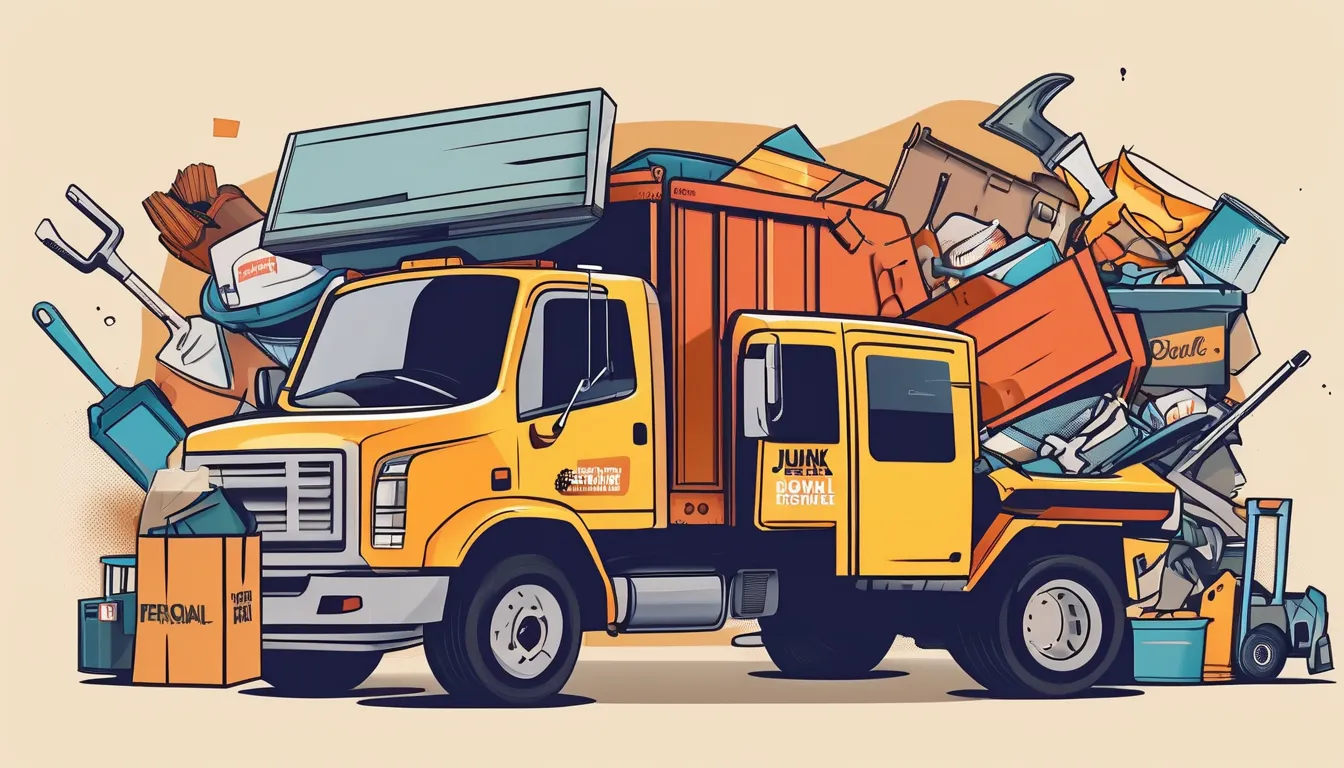
  • Revitalize Your Space With Junk Removal

    By AQ September 25, 2024

    You’ve likely noticed how clutter and unwanted items in your space can weigh on your mind and body. It’s time to consider the benefits of junk removal services, which can greatly impact your mental and physical well-being. Imagine the sense of calm and tranquility that comes with a well-organized environment, free from the stress of clutter. But where do you start? What steps can you take to transform your space, and what options do you have for disposing of your unwanted items in an eco-friendly way? The answer lies in finding the right approach.

    Benefits of Junk Removal Services

    Most people accumulate clutter over time, but a significant portion of it can be easily removed with professional help. By hiring a junk removal service, you can regain control of your space and enjoy numerous benefits.

    One of the main advantages is the significant reduction in stress levels that comes with a clutter-free environment. A clean space can also improve your mental and physical health, as it reduces the risk of accidents and exposure to allergens and pests.

    You’ll also save time and energy by letting professionals handle the removal process. They’ll take care of the heavy lifting, sorting, and disposal, allowing you to focus on more important tasks.

    Additionally, a well-organized space can increase your productivity and boost your mood. Furthermore, hiring a junk removal service can help you avoid potential fines or penalties for non-compliance with local waste management regulations.

    Preparing for Junk Removal Day

    What can you do to ensure a smooth and efficient junk removal process? Start by clearing a path to the items you want to remove, so the junk removal team can easily access them. This will save time and make the process safer.

    Remove any fragile or valuable items from the area to prevent damage or loss. If you have heavy or bulky items, consider breaking them down into smaller pieces to make them easier to handle.

    Next, gather all the items you want to remove and sort them into categories, such as recyclables, electronics, and large items. This will help the junk removal team quickly identify what needs to be done with each item.

    Make sure to also remove any hazardous materials, such as batteries or chemicals, and set them aside for special handling.

    Types of Junk Removal Options

    Efficiency is key when it comes to junk removal. You need to choose the right junk removal option that suits your needs and schedule.

    One popular option is full-service junk removal, where professionals handle everything from removal to disposal. This option is ideal if you have a lot of heavy or bulky items, such as furniture or appliances, and don’t have the time or energy to lift them.

    Another option is self-service 名古屋 不用品回収 removal, where you rent a dumpster and fill it up yourself. This option is cost-effective and gives you more control over the removal process. However, you’ll need to consider the time and effort required to fill the dumpster and potentially handle hazardous materials.

    If you’re looking for a more flexible option, consider using junk removal services that offer on-demand pickup. With this option, you can schedule a pickup at a time that suits you, and the junk removal company will take care of the rest. This option is ideal if you have a small amount of junk to remove and want to avoid renting a dumpster.

    Eco-Friendly Junk Disposal Methods

    You’re taking a crucial step towards a more sustainable future by considering eco-friendly junk disposal methods. This approach helps minimize the environmental impact of waste disposal.

    You’ll want to look for junk removal services that offer eco-friendly disposal options. These services sort through your junk, separating recyclable materials from non-recyclable ones.

    When selecting an eco-friendly junk disposal method, consider donating gently used items to local charities or thrift stores.

    This not only reduces waste but also supports your community. You can also opt for recycling programs that accept various types of materials, such as paper, plastic, glass, and metal.

    Additionally, some services offer composting for organic waste, reducing the amount of waste sent to landfills.

    Creating a Maintenance Routine

    Maintaining a clean and clutter-free environment requires regular upkeep, especially after investing time and effort into eco-friendly junk disposal methods.

    To keep your space organized and junk-free, you need to create a maintenance routine that works for you. Start by designating a specific day each week for tidying up and getting rid of any unwanted items.

    This can be as simple as setting aside 30 minutes on a Sunday evening to sort through your mail, wipe down surfaces, and put away any clutter.

    You should also establish a “one in, one out” policy, where you get rid of an old item every time you bring a new one into your space.

    This will help prevent clutter from building up in the future.

    Additionally, consider implementing a “home for everything” system, where each item has a designated place in your home.

    This will make it easier to keep your space organized and ensure that everything has its place.

    Frequently Asked Questions

    Do You Provide Packing Materials for Customers?

    When moving, you wonder if services provide packing materials. We do offer supplies, including boxes, tape, and bubble wrap, to help you pack efficiently and protect your belongings during the junk removal process.

    Are There Any Weight Limitations for Heavy Junk Items?

    When you’re getting rid of heavy junk items, check the weight limits first. You’ll typically see restrictions on extremely heavy items, so you don’t overload the removal truck or put workers at risk of injury.

    Can You Remove Junk From a Multi-Story Building?

    Removing junk from a multi-story building can be tricky, but you can hire professionals who can handle it. They’ll assess the situation, use proper equipment, and safely extract the junk, saving you time and stress.

    Are Your Junk Removal Services Covered by Insurance?

    You’re likely wondering if your junk removal services are covered by insurance. Typically, it’s not, but you might be able to claim it under homeowners or property insurance if it’s related to damage or renovation work.

    Can Junk Removal Services Be Scheduled on Weekends?

    You can schedule junk removal services on weekends, but it’s best to check with the provider for their availability and hours. Many companies offer flexible scheduling, including Saturdays and Sundays, for your convenience.

    Conclusion

    Now that you’ve taken the first step towards a clutter-free life with junk removal services, you’ll notice a significant impact on your mental and physical well-being. Your newly organized space promotes calmness and tranquility, boosting your productivity and overall health. To keep this sense of renewal, maintain your space by regularly sorting and donating items. By doing so, you’ll continue to enjoy the benefits of a stress-free environment that you’ve worked hard to achieve.

  • Lift and Firm The Best Skin Treatments to Try in Singapore

    By AQ September 24, 2024

    In Singapore, you have numerous options to lift and firm your skin without going under the knife. Non-invasive treatments like chemical peels and microdermabrasion can brighten and smooth your skin, while microneedling stimulates collagen production to reduce fine lines. Laser skin resurfacing also shows promising results with minimal downtime. But, which treatment is right for you? With so many choices available, it’s essential to understand the benefits and limitations of each option. By exploring the various treatments available in Singapore, you can make an informed decision and achieve the youthful appearance you’ve been seeking – but where should you start?

    Non-Invasive Skin Treatments

    Several non-invasive skin treatments have emerged in recent years, offering you effective ways to address common skin concerns. These treatments are especially appealing if you’re looking for alternatives to surgery or more invasive procedures.

    You can consider chemical peels to exfoliate and brighten your skin. This treatment involves applying a solution that removes dead skin cells, revealing smoother skin.

    Microdermabrasion is another option that uses fine crystals to gently remove dead skin cells and promote cell turnover.

    Microneedling is also a popular choice, as it stimulates collagen production to improve skin texture and reduce fine lines. This minimally invasive treatment uses tiny needles to create micro-injuries that trigger the body’s natural healing process.

    Non-invasive skin treatments often have minimal downtime, making them ideal for those with busy schedules.

    You can also combine these treatments for enhanced results. Be sure to consult with a skincare professional to determine the best course of treatment for your specific skin concerns and needs.

    With the right treatment, you can achieve healthier, more radiant skin without undergoing surgery or more invasive procedures.

    Laser Skin Resurfacing Options

    If you’re looking for a more targeted approach to address specific skin concerns, consider laser skin resurfacing options. This treatment uses high-energy light to heat and stimulate collagen production, reducing fine lines, wrinkles, and skin texture.

    You can choose from ablative or non-ablative lasers, depending on your skin type and concerns. Ablative lasers remove the top layers of skin, providing more intense results but requiring longer downtime. Non-ablative lasers, on the other hand, stimulate collagen production without damaging the skin’s surface, offering a faster recovery time.

    Both options can effectively address skin concerns like acne scars, hyperpigmentation, and uneven skin tone.

    For a more customized approach, consider fractional CO2 lasers or pulsed dye lasers. Fractional CO2 lasers target specific areas of the skin firming singapore , minimizing downtime and promoting collagen production. Pulsed dye lasers specialize in reducing redness and hyperpigmentation.

    When choosing a laser skin resurfacing treatment, it’s essential to consult with an experienced dermatologist or aesthetician to determine the best course of treatment for your individual skin concerns and goals.

    Thread Lifts and Fillers

    With age, your skin’s natural support system weakens, leading to sagging and loss of volume. This is where thread lifts and fillers come in – minimally invasive treatments that can help restore your skin’s youthful appearance.

    Thread lifts use thin, dissolvable threads inserted under the skin to lift and tighten sagging areas. They’re particularly effective for addressing nasolabial folds, marionette lines, and sagging jowls.

    Fillers, on the other hand, are injectable solutions made of hyaluronic acid, calcium hydroxylapatite, or other materials that fill in wrinkles and folds. They can be used to plump up thin lips, define the jawline, and restore lost volume in the cheeks and temples.

    When combined, thread lifts and fillers can provide a more comprehensive solution to address multiple aging concerns.

    The best part is that both treatments are relatively quick and pain-free, with minimal downtime. Results are immediate, and the threads or fillers will gradually dissolve over time, making way for your body’s natural collagen production to take over. By choosing the right thread lift and filler combination, you can achieve a smoother, more lifted, and more radiant complexion.

    Advanced Facial Rejuvenation

    As your skin concerns go beyond basic signs of aging, it’s time to consider advanced facial rejuvenation treatments that can deeply transform your complexion.

    Advanced treatments often combine multiple technologies to tackle complex skin concerns like deep wrinkles, sagging skin, and uneven skin tone.

    In Singapore, you can opt for treatments like intense pulsed light (IPL) therapy, which uses high-intensity pulses of light to stimulate collagen production and reduce skin imperfections.

    Another option is radiofrequency (RF) treatments, which use heat energy to stimulate collagen production and improve skin texture.

    You can also consider advanced chemical peels or microdermabrasion to exfoliate and brighten your skin.

    These treatments can be customized to address your specific skin concerns and may require a series of sessions for optimal results.

    When choosing an advanced facial rejuvenation treatment, it’s essential to consult with a qualified practitioner who can create a personalized treatment plan tailored to your skin type and concerns.

    This will ensure you achieve the best possible results and minimize potential risks.

    Minimally Invasive Skin Procedures

    Lift and Firm: The Best Skin Treatments to Try in Singapore

    Minimally Invasive Skin Procedures

    You’ve tried various skincare products and advanced treatments, but some concerns may still persist.

    For more targeted results, consider minimally invasive skin procedures that can address specific skin issues with minimal downtime. These treatments are ideal for busy individuals who want to achieve noticeable improvements without undergoing surgery.

    One popular option is botulinum toxin injections, which can effectively relax facial muscles and reduce wrinkles.

    You can also consider dermal fillers to restore lost volume and enhance facial contours. Chemical peels and micro-needling are other options that can improve skin texture and tone.

    These treatments stimulate collagen production, resulting in smoother and brighter skin.

    Before undergoing any minimally invasive procedure, it’s essential to consult with a qualified practitioner to discuss your concerns and determine the best course of treatment.

    They’ll assess your skin and recommend the most suitable procedure to achieve your desired results.

    Conclusion

    You’ve got numerous options in Singapore to lift and firm your skin without going under the knife. From non-invasive treatments like chemical peels and microneedling to advanced laser skin resurfacing and thread lifts, there’s something for everyone. By choosing the right treatment, you can say goodbye to sagging skin and hello to a smoother, more youthful appearance. With minimal downtime, you can get back to your normal routine, looking and feeling your best.

  • Thrive and Shine Empowering Yourself Through Mental Health Awareness

    By AQ September 24, 2024

    As you navigate the complexities of life, it’s essential to recognize the significance of mental health awareness in empowering your well-being. You’re likely no stranger to the concept, but understanding its true impact on your daily life might be a different story. By grasping the basics of mental health, you’ll be better equipped to break free from the stigmas and barriers that may be holding you back. But what does it take to truly thrive and shine? What steps can you take to build resilience, develop coping skills, and unlock your full potential? The journey starts here.

    Understanding Mental Health Basics

    When it comes to understanding mental health basics, it’s essential to start with a clear definition of mental health. Mental health refers to the state of being emotionally, psychologically, and socially well, allowing you to cope with the demands of daily life.

    It’s not just the absence of mental illness, but a positive state of well-being where you can function at your best.

    You’ll often hear mental health being compared to physical health. Just as your body needs care and maintenance to stay healthy, your mind does too.

    A healthy mind enables you to form strong relationships, make sound decisions, and handle stress. On the other hand, poor mental health can affect your thoughts, feelings, and behaviors, impacting your overall quality of life.

    Understanding mental health basics also involves recognizing its components, including emotional well-being, life skills, and social connections.

    Breaking Down Stigmas and Barriers

    Breaking down stigmas and barriers surrounding mental health requires you to acknowledge the complex web of societal norms, cultural expectations, and personal biases that contribute to these obstacles.

    You must recognize that these stigmas and barriers can prevent people from seeking help and disclosing their mental health struggles. By understanding the root causes of these stigmas, you can begin to address them and create a more supportive environment for those struggling with mental health issues.

    It’s essential to challenge your own biases and assumptions about mental health. Ask yourself: What do you think about people with mental illnesses? Do you view them as weak or flawed?

    Recognizing and changing your own negative attitudes can help create a ripple effect, inspiring others to do the same. Additionally, educating yourself and others about mental health can help break down stigmas and promote a culture of understanding and empathy. By taking these steps, you can contribute to a more inclusive and supportive environment for mental health discussions.

    Building Resilience and Coping Skills

    You’ve taken the first step by acknowledging and addressing the stigmas surrounding mental health. Now, it’s time to focus on building resilience and developing effective coping skills.

    Building resilience is about developing the ability to bounce back from adversity, and it’s essential for maintaining good mental health. Start by identifying your strengths and the things that make you feel good about yourself.

    Focus on nurturing these strengths and use them to help you cope with challenging situations.

    Developing coping skills is also crucial for managing stress and anxiety. Identify healthy coping mechanisms such as exercise, meditation, or journaling, and make them a part of your daily routine.

    Learn to recognize the signs of stress and anxiety, and know when to reach out for support. Practice self-compassion and remind yourself that it’s okay to not be okay.

    By building resilience and developing effective coping skills, you’ll be better equipped to handle life’s challenges and maintain good mental health.

    Navigating Mental Health Resources

    A wealth of mental health resources exists, but navigating them can be overwhelming.

    When you’re struggling with your mental health, it’s hard to know where to turn. You may feel like you’re drowning in a sea of in the money wave audio mation, unsure of what’s reliable or trustworthy.

    To help you make sense of your options, here are some steps you can take:

    1. Start with your primary care physician: Your doctor can provide a referral to a mental health professional or recommend local resources.
    2. Explore online directories: Websites like Psychology Today or GoodTherapy can help you find therapists in your area.
    3. Contact a mental health hotline: Organizations like the National Alliance on Mental Illness (NAMI) or the Substance Abuse and Mental Health Services Administration (SAMHSA) offer confidential support and guidance.
    4. Check with your insurance provider: Find out what mental health services are covered under your plan and what out-of-pocket costs you can expect.

    Creating a Supportive Environment

    One key aspect of managing your mental health is setting up an environment that fosters well-being. You can start by evaluating your physical space and making adjustments to promote relaxation. This might mean decluttering your living area, adding plants, or using calming colors on your walls.

    It’s also essential to create a comfortable and cozy atmosphere by controlling the lighting and temperature.

    In addition to your physical space, consider the people you surround yourself with. You’re more likely to thrive when you’re around supportive and positive individuals who uplift and encourage you. Don’t be afraid to distance yourself from those who bring you down or cause you stress.

    Building a strong support network can make a significant difference in your mental health journey.

    To take it a step further, establish routines and boundaries that promote a healthy work-life balance. Set aside time for self-care, prioritize rest, and engage in activities that bring you joy.

    Conclusion

    You’ve taken the first step towards unlocking a life of purpose and fulfillment by understanding the basics of mental health. By breaking down stigmas and barriers, building resilience, and navigating resources, you’re empowering yourself to thrive. Now, it’s time to create a supportive environment that allows you to shine. Prioritize your well-being, stay committed to your growth, and watch your life transform into one that truly reflects your potential.

  • Money Matters Expert Insights for Informed Financial Decisions

    By AQ September 24, 2024

    You’re likely no stranger to the challenges of managing your Financial Advisor in Nashville TN s, from making ends meet to building a safety net for the future. As you navigate the complexities of money management, you might find yourself wondering if you’re doing enough to secure your financial stability. Are you allocating your resources wisely, or are you unknowingly sabotaging your long-term goals? A well-informed approach to your financial decisions can make all the difference. But what does that look like, exactly? By exploring the essential components of effective money management, you’ll be better equipped to make informed choices that set you up for success.

    Mastering the Art of Budgeting

    Breaking down your financial situation into manageable parts is crucial for getting a handle on your budget. Start by tracking your income and expenses to understand where your money is going. Make a list of your fixed expenses, such as rent or mortgage, utilities, and groceries.

    Next, identify your variable expenses, like entertainment and hobbies.

    Create a budget plan that accounts for all your expenses. Allocate 50-30-20: 50% for fixed expenses, 30% for discretionary spending, and 20% for saving and debt repayment. Be realistic and adjust the proportions based on your individual needs.

    Consider using the envelope system to separate your expenses into categories and avoid overspending.

    Regularly review your budget to ensure you’re on track. Adjust your spending habits as needed to stay within your means.

    Don’t forget to prioritize emergency savings and debt repayment. By following these steps, you’ll be well on your way to mastering the art of budgeting and achieving financial stability.

    Investing for Long-Term Growth

    Many investors find long-term growth through a well-diversified portfolio of stocks, bonds, and other assets. You’ll want to spread your investments across different asset classes to minimize risk and maximize returns.

    Stocks offer potential for high growth, but they can be volatile. Bonds provide a steady income stream, but returns may be lower. Other assets like real estate or commodities can add diversification to your portfolio.

    When investing for long-term growth, you should have a time horizon of at least five years. This allows you to ride out market fluctuations and gives your investments time to compound.

    You’ll also want to consider your risk tolerance and adjust your portfolio accordingly. If you’re more conservative, you may want to allocate a larger portion of your portfolio to bonds. If you’re more aggressive, you may want to invest more in stocks.

    Regularly review and rebalance your portfolio to ensure it remains aligned with your goals and risk tolerance. By taking a long-term approach and diversifying your investments, you can increase your chances of achieving long-term growth and securing your financial future.

    Managing Debt Effectively

    As you work towards achieving your long-term financial goals, it’s equally important to address any debt that might be holding you back.

    Managing debt effectively is crucial to freeing up more of your money for investments and savings.

    To tackle your debt, start by taking a close look at your financial situation.

    Make a list of all your debts, including the balance and interest rate for each.

    Then, prioritize your debts, focusing on the ones with the highest interest rates or the smallest balances.

    • Identify areas where you can cut back on spending to free up more money for debt repayment
    • Consider consolidating debts into a single loan with a lower interest rate
    • Pay more than the minimum payment each month to reduce principal balances faster
    • Negotiate with creditors to see if they can offer any assistance, such as a temporary reduction in payments
    • Use the snowball method or avalanche method to stay on track with your debt repayment plan

    Building a Strong Credit Foundation

    Establishing a strong credit foundation requires ongoing effort and attention. You’ll need to monitor your credit reports, dispute errors, and make on-time payments to build a positive credit history.

    Start by checking your credit reports from the three major credit bureaus: Equifax, Experian, and TransUnion. Review each report carefully, and dispute any errors or inaccuracies.

    To build a strong credit foundation, you should also make on-time payments on all your debts, including credit cards, loans, and mortgages. Late payments can significantly lower your credit score, while on-time payments can help raise it.

    Consider setting up automatic payments to ensure you never miss a payment.

    Another important aspect of building a strong credit foundation is keeping your credit utilization ratio low. This means keeping your credit card balances low compared to your credit limits.

    Aim to use less than 30% of your available credit to show lenders you can manage your debt responsibly.

    Navigating Retirement Planning Options

    With a solid credit foundation in place, you’re better equipped to tackle long-term financial goals, like retirement planning.

    Retirement planning can seem daunting, but understanding your options can help you create a secure financial future.

    As you plan for retirement, consider the following options:

    • 401(k) or Employer-Sponsored Plan: Take advantage of employer matching contributions and tax benefits to grow your retirement savings.
    • Individual Retirement Account (IRA): Choose from traditional or Roth IRAs, which offer tax benefits and flexible contribution options.
    • Annuities: Consider fixed or variable annuities to generate a steady income stream in retirement.
    • Retirement Accounts for Self-Employed: Explore SEP-IRAs, solo 401(k)s, or other options tailored to self-employed individuals.
    • Catch-Up Contributions: If you’re 50 or older, make extra contributions to your retirement accounts to boost your savings.

    Conclusion

    You’ve gained valuable insights into mastering budgeting, investing, managing debt, building a strong credit foundation, and navigating retirement planning options. By applying these expert tips, you’ll be better equipped to make informed financial decisions. Stay on track, prioritize your needs, and continuously monitor your progress. With time and discipline, you’ll achieve financial stability and be confident in your ability to navigate life’s financial challenges. Your financial future is in your hands.