
Others

  • From Concept to Creation Exceptional Silk Printing Services Explained

    By AQ September 28, 2024

    You’ve got a design concept that you’re eager to bring to life on luxurious silk fabrics. You’re likely wondering how to transform your idea into a high-quality print that showcases your creativity and attention to detail. From selecting the ideal silk fabric to ensuring precise, vibrant prints with intricate details, the silk printing process can be complex. But with the right techniques and expertise, you can achieve stunning results. What does it take to turn your concept into a beautiful, one-of-a-kind silk print, and how can you ensure that your vision is executed flawlessly?

    Understanding the Silk Printing Process

    Before you dive into silk printing services, understanding the silk printing process is crucial. The process begins with preparing the screen, which involves coating it with a light-sensitive emulsion and allowing it to dry.

    Once the screen is ready, you’ll need to create a film positive of your design, which is essentially a transparent sheet with your design printed in black ink.

    The screen is then exposed to light through the film positive, causing the emulsion to harden in areas that aren’t exposed to light. The screen is then washed with water to remove the unhardened emulsion, leaving a negative image of your design on the screen.

    The screen is then attached to a printing press, and ink is pushed through the screen to create the design on the fabric.

    You should also know that خدمات چاپ سیلک printing can be done using various techniques, such as manual or automatic printing, and different types of ink, such as plastisol or water-based ink.

    Understanding the basics of the silk printing process will help you make informed decisions when choosing a silk printing service.

    Preparing Designs for Print

    Preparing Designs for Print

    Now that you have a solid understanding of the silk printing process, it’s time to focus on preparing your designs for print.

    Your design file should be high-resolution, preferably in a vector format like AI or EPS, to ensure crisp and clear prints.

    Make sure your design is the correct size for your intended product, taking into account any bleed areas and margins.

    You’ll also need to consider the color mode of your design. Silk printing typically uses CMYK, so convert your design to this mode if it’s not already.

    Be aware that colors may appear differently on silk compared to digital screens, so it’s essential to proof your design before printing.

    Keep in mind that silk printing has limitations, such as the maximum number of colors and the detail level.

    Simplify complex designs and avoid fine details that may not print clearly.

    Ensure your design is mirrored or reversed if necessary, as this will depend on the type of garment or product being printed.

    Choosing the Right Silk Fabric

    When selecting the right silk fabric for your printing needs, you’re not just choosing the material – you’re also determining the final look and feel of your product. Different types of silk fabrics have unique characteristics that can affect the final result.

    For instance, Charmeuse silk has a smooth, lustrous surface that’s ideal for vibrant colors and detailed designs. On the other hand, Dupioni silk has a textured, iridescent sheen that adds depth and visual interest to your prints.

    Consider the intended use of your product when choosing a silk fabric. If you’re creating scarves or clothing, you may prefer a lightweight, soft fabric like Habotai or Chiffon. For home decor or upholstery, a heavier, more durable fabric like Velvet or Taffeta might be more suitable.

    It’s also essential to think about the care and maintenance requirements of the fabric. Some silk fabrics can be machine washed, while others require dry cleaning.

    Advanced Printing Techniques Used

    What sets your silk prints apart from others – is it the technique or the execution? When it comes to advanced printing techniques, it’s often a combination of both.

    You’re likely looking for methods that offer precision, quality, and versatility. One such technique is dye sublimation printing, which involves transferring ink onto the silk fabric using heat. This method is ideal for full-color prints and creates a soft, breathable finish.

    Another technique you might consider is screen printing, which uses a mesh screen to apply ink onto the fabric. This method is well-suited for bold, graphic designs and can produce high-quality results with minimal fading.

    Digital printing is also an option, allowing for intricate details and photorealistic images. If you’re looking for a more specialized technique, consider discharge printing, which uses a chemical solution to remove the dye from the fabric, creating a unique, distressed effect.

    Quality Control and Finishing Touches

    You’ve invested time and resources in designing your silk prints, and now it’s time to ensure they meet your expectations.

    Attention to detail is paramount in delivering high-quality silk prints. You’ll want to inspect your prints carefully for any defects or irregularities.

    This includes checking the color accuracy, print registration, and fabric quality.

    As you inspect your prints, you’ll also want to check for any finishing touches that may be required.

    This can include folding, cutting, or packaging your prints in a way that makes them easy to use or display.

    You may also want to consider adding a protective coating to your prints to prevent fading or damage.

    Conclusion

    You’ve now gained a deeper understanding of the silk printing process and the exceptional services offered. From concept to creation, you’re guided through selecting the ideal silk fabric, preparing your designs for print, and utilizing advanced techniques like dye sublimation and screen printing. With meticulous quality control and customized solutions, your vision is transformed into high-quality prints on luxurious silk fabrics. Your unique needs are met, and your designs come to life.

  • Aromas of Renewal Finding Peace in the Scent of Rain

    By AQ September 26, 2024

    As you step outside on a rainy day, the earthy scent of petrichor envelops you, instantly transporting you to a calmer state. But have you ever stopped to consider why the smell of rain is so closely tied to feelings of serenity? It’s more than just a pleasant aroma – it’s an emotional trigger that can evoke memories of cozy days spent indoors and carefree childhood moments. As you breathe in that distinctive scent, you can’t help but wonder: what is it about petrichor that has such a profound impact on our emotional well-being, and how can you harness its power?

    The Science of Petrichor

    You’ve likely smelled it before – the distinctive scent that fills the air when rain falls on dry soil or rocks. This scent, known as petrichor, has a unique and earthy quality that you’ll recognize instantly.

    The term “petrichor” was coined by two Australian researchers in the 1960s, combining the Greek words “petra” (stone) and “ichor” (the fluid that flows through the veins of the gods in Greek mythology).

    Petrichor forms when oils released by plants and soil microorganisms are carried into the air by the rain. These oils, which are secreted by roots and soil bacteria, have a strong, earthy smell that’s often associated with the scent of rain.

    When the rain falls, it releases these oils from the soil and rocks, creating the distinctive smell of petrichor. The amount of petrichor in the air can vary depending on the type of soil and vegetation in the area, as well as the amount of rainfall.

    Researchers have identified geosmin, a compound produced by certain types of bacteria, as one of the key components of petrichor.

    Emotional Connection to Rain

    Rainy days often bring a sense of calm to the bustling streets of cities, as if the rhythmic beat of raindrops on pavement and umbrellas has a soothing effect on the human psyche. You might find yourself slowing down, letting go of your worries, and embracing the tranquility that comes with the rain.

    This emotional connection to rain is deeply personal and often rooted in memories and experiences from your past.

    You may have fond memories of playing in puddles as a child, laughing with friends, and feeling carefree on rainy days. As an adult, the smell of rain might transport you back to those happy times, evoking feelings of nostalgia and comfort.

    On the other hand, rain might also remind you of cozy days spent indoors, curled up with a good book and a warm cup of coffee. Whatever your personal associations with rain may be, they add depth and richness to your emotional connection with this scent.

    Using Rain Scents for Relaxation

    Embracing the scent of rain can be a powerful tool for relaxation, allowing you to unwind and recharge in a world filled with stress and anxiety. When you inhale the scent of rain, it can calm your mind and transport you to a peaceful state.

    You can use rain scents in various ways to promote relaxation, such as lighting scented candles or essential oils in your home. These can create a soothing atmosphere, helping you to let go of tension and unwind after a long day.

    You can also use rain-scented bath products, such as soaps and body washes, to create a relaxing bathing experience. The scent of rain can help to calm your senses and prepare your body for a restful night’s sleep.

    Additionally, you can incorporate rain scents into your meditation or yoga practice, helping you to focus and stay present. By using rain scents in these ways, you can create a sense of calm and serenity, allowing you to feel more grounded and centered in your daily life.

    This can have a lasting impact on your overall well-being and mental health.

    Capturing the Essence of Rain

    A drizzle of rain can instantly evoke a sense of calm and tranquility, but capturing its essence can be a complex process. You might wonder how perfumers and scent experts distill the smell of rain into a fragrance.

    They often rely on a combination of natural and synthetic ingredients to recreate the scent. One key component is geosmin, a molecule produced by certain types of bacteria that thrive in damp environments. When you smell the earthy aroma of rain, you’re likely detecting geosmin.

    To capture the essence of rain, you can also try using essential oils like bergamot, lavender, and eucalyptus, which evoke the fresh, clean scent of rain. You can combine these oils with other natural ingredients like herbs and spices to create a unique fragrance.

    Alternatively, you can use scented candles, room sprays, or diffusers to bring the smell of rain into your home. By experimenting with different ingredients and techniques, you can create a scent that captures the essence of rain and promotes relaxation and calmness in your daily life. This can be especially helpful when you’re unable to experience the real thing.

    Scenting a Path to Serenity

    By incorporating the scent of rain into your daily routine, you can create a path to serenity that’s within reach whenever you need it. The smell of rain, often referred to as petrichor, has a unique ability to calm the mind and transport you to a peaceful state.

    You can start by using essential oils or scented candles that mimic the smell of rain. Light a candle in the morning to set a calming tone aroma rain the day, or use a diffuser in your bedroom to promote relaxation at night.

    You can also take your petrichor experience outdoors by spending time in nature after a rain shower. Take a walk outside and breathe in the fresh, earthy scent.

    The smell of rain can be especially potent after a long dry spell, making it an ideal time to reconnect with nature. By making the scent of rain a regular part of your routine, you’ll be better equipped to manage stress and find serenity in your daily life.

    Regular exposure to the calming effects of petrichor can have a lasting impact on your mental well-being.

    Conclusion

    As you step into the serene world of rain scents, you’ll discover a path to tranquility. By embracing the earthy aroma of petrichor, you’ll unlock a sense of calmness that’ll stay with you long after the rain has stopped. Incorporate rain-inspired fragrances into your daily life, and you’ll find yourself drifting towards serenity. With every breath, let the scent of rain guide you towards a more peaceful, centered you.

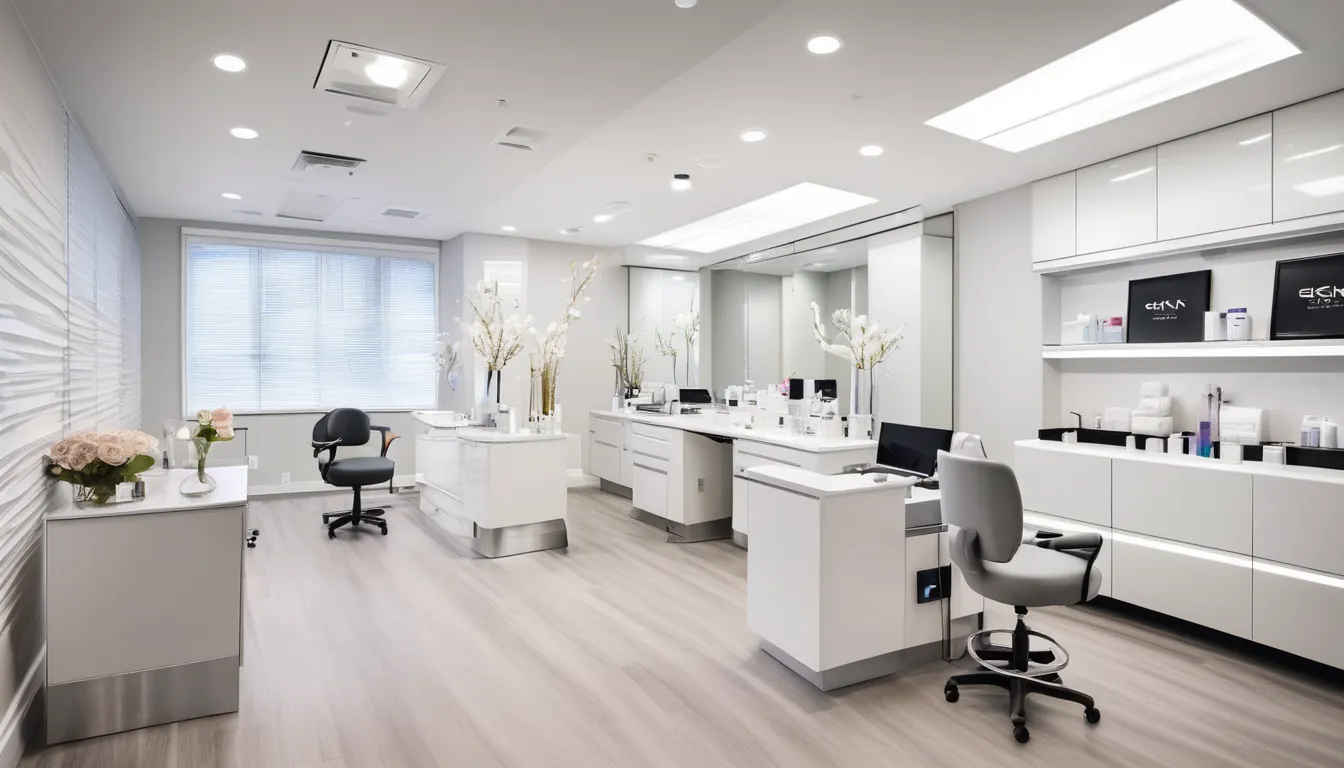
  • Radiant Skin The Ultimate Guide to Effective Treatments

    By AQ September 26, 2024

    You’re probably no stranger to the quest for radiant skin, but what sets you apart from achieving that coveted glow? Is it your skincare routine, or perhaps a lack of understanding about your skin type and concerns? Whatever the reason, it’s time to take a closer look at the essential components that make up an effective skincare plan. By grasping the fundamentals and exploring advanced treatments, you’ll be one step closer to unlocking your skin’s full potential. So, where do you start, and what’s holding you back from revealing your brightest, most radiant complexion?

    Understanding Skin Types and Concerns

    Your skin is a unique canvas, and understanding its intricacies is key to achieving radiant skin. Recognizing your skin type is crucial, as it determines how your skin reacts to products and treatments.

    There are five main skin types: normal, dry, oily, combination, and sensitive. Normal skin is balanced, with no significant concerns. Dry skin lacks moisture, often feeling tight and flaky. Oily skin overproduces sebum, leading to a greasy appearance. Combination skin has a mix of oily and dry areas, while sensitive skin reacts easily to products and environmental factors.

    Understanding your skin concerns is also vital. Acne, fine lines, and hyperpigmentation are common issues. Acne-prone skin is characterized by frequent breakouts, while fine lines and wrinkles are signs of aging.

    Hyperpigmentation, or skin discoloration, can be caused by sun damage or hormonal changes. Identifying your skin concerns allows you to target specific areas and develop a personalized skincare plan.

    Essential Skincare Routine Components

    With a clear understanding of your skin type and concerns, you can now focus on crafting a well-rounded skincare routine. A good routine consists of a few essential components that work together to cleanse, nourish, and protect your skin.

    First, you’ll need a gentle cleanser that effectively removes dirt and impurities without stripping your skin of its natural oils. You’ll also need a toner that balances your skin’s pH, tightens pores, and prepares your skin farsk nad+ further products.

    A rich moisturizer is crucial for locking in hydration and protecting your skin from environmental stressors.

    Exfoliating once or twice a week is also essential for removing dead skin cells and unclogging pores. Use a physical exfoliant, like a gentle scrub, or a chemical exfoliant, like alpha-hydroxy acids, depending on your skin type.

    Advanced Treatments for Glowing Skin

    In addition to a well-rounded skincare routine, incorporating advanced treatments can take your skin to the next level. Advanced treatments are designed to target specific skin concerns, such as fine lines, dark spots, and uneven texture.

    One popular option is chemical exfoliation, which uses alpha-hydroxy acids (AHAs) or beta-hydroxy acids (BHAs) to remove dead skin cells and reveal brighter, smoother skin.

    You can also consider using at-home peeling kits or masks that contain enzyme exfoliants, which gently break down dead skin cells without causing irritation. Another option is to try light therapy treatments, which use specific wavelengths of light to target concerns such as acne, aging, or hyperpigmentation.

    Additionally, you can incorporate facial massage into your routine, which can increase blood flow and help to reduce the appearance of fine lines and wrinkles. By incorporating these advanced treatments into your skincare routine, you can achieve a more radiant and glowing complexion. By doing so, you’ll be on your way to achieving the healthy, glowing skin you’ve always wanted.

    Professional Skin Treatments Explained

    Professional skin treatments offer a range of options for tackling specific skin concerns that may not be addressed by at-home treatments or products. You’ll have access to advanced equipment, expert knowledge, and personalized care that can make a significant difference in achieving radiant skin.

    Chemical peels, for instance, can help you address issues like hyperpigmentation, acne scars, and fine lines. These treatments involve applying a solution to remove the top layers of your skin, revealing smoother and brighter skin.

    Microdermabrasion is another popular option that uses fine crystals to exfoliate your skin, improving texture and tone.

    Laser treatments can target deeper skin concerns like broken capillaries, sun damage, and unwanted hair. You can also opt for microneedling, which stimulates collagen production to improve skin elasticity and firmness.

    Additionally, professional facials can provide customized deep cleansing, extractions, and nourishment to address specific skin concerns. By exploring these professional skin treatments, you’ll be able to find the best solutions for your unique skin needs and achieve the radiant glow you desire.

    Customizing Your Radiant Skin Plan

    You’ve explored various professional skin treatments and are now ready to create a plan tailored to your unique skin needs.

    Customizing your radiant skin plan involves considering your skin type, concerns, and goals. Start by identifying your skin type – is it dry, oily, combination, or sensitive?

    Then, think about your concerns – do you struggle with acne, fine lines, or hyperpigmentation?

    To create an effective plan, consider the following:

    1. Set realistic goals: What do you want to achieve with your skin care plan? Do you want to reduce acne, improve skin texture, or fade age spots?
    2. Assess your lifestyle: How does your daily routine impact your skin? Do you work outdoors, smoke, or have a poor diet?
    3. Choose the right products: Select products that address your specific skin concerns and are suitable for your skin type.
    4. Schedule regular treatments: Book regular appointments with a dermatologist or esthetician to maintain and enhance your skin health.

    Conclusion

    You’ve got the tools to unlock radiant skin. By understanding your skin type and concerns, you can create a tailored plan that combines essential skincare routines, advanced treatments, and professional interventions. Don’t be afraid to mix and match – your skin is unique, and what works for someone else might not work for you. Stay committed, and you’ll start to see a brighter, more radiant complexion. Experiment and adjust your plan as you go.

  • Transform Your Projects Buy the Best Glass Components

    By AQ September 26, 2024

    You’re on the verge of launching a new project, and the type of glass components you choose can make all the difference. High-quality glass isn’t just about aesthetics; it’s also about durability and functionality. By investing in the best glass components, you can ensure your project stands the test of time and meets your needs. But with so many options available, how do you know which type of glass to choose? The right decision can significantly impact your project’s success – but what are the key factors you should consider to make an informed choice?

    Choosing the Right Glass Type

    When selecting glass components, it’s essential to consider the environment they’ll be used in. Different environments require specific types of glass to ensure durability and longevity.

    For example, if you’re working on a project that involves exposure to extreme temperatures, you’ll want to choose a type of glass that can withstand heat or cold.

    You’ll also need to consider the type of application the glass component will be used for. mirror trim instance, if you’re creating a decorative piece, you may want to opt for a colored or textured glass to add a unique touch.

    On the other hand, if you’re working on a functional project, such as a door or window, you’ll want to choose a type of glass that provides clarity and visibility.

    Some common types of glass include soda-lime glass, borosilicate glass, and tempered glass. Each type has its own unique properties and applications.

    Benefits of High Quality Glass

    Choosing the right type of glass is just the first step in creating a successful project.

    You also need to consider the quality of the glass components you’re using. High-quality glass can elevate your project and provide numerous benefits.

    Investing in high-quality glass components can save you money and time in the long run.

    Here are three key benefits:

    1. Durability: High-quality glass is more resistant to scratches, cracks, and breaks, reducing the need for frequent replacements.
    2. Safety: Premium glass components are designed to meet strict safety standards, minimizing the risk of injuries and accidents.
    3. Aesthetics: High-quality glass can enhance the appearance of your project, providing a sleek and polished finish that complements your design.

    Essential Glass Component Features

    You’re looking at more than just the type of glass you’re using – you’re also considering the components that bring it all together. When it comes to choosing the right glass components for your project, you need to consider several essential features.

    First and foremost, you’ll want to look at the durability and strength of the components. This includes the type of material used, such as stainless steel or aluminum, and the thickness of the components.

    You’ll also want to consider the corrosion resistance of the components, especially if they’ll be exposed to the elements.

    In addition to durability, you’ll also want to consider the functionality of the components. This includes the type of hardware, such as hinges or handles, and the type of seals or gaskets used.

    You’ll also want to think about the ease of installation and maintenance of the components.

    Lastly, you’ll want to consider the aesthetic appeal of the components. This includes the finish, color, and style of the components, and how they’ll complement the rest of your project.

    Evaluating Glass Component Brands

    As you narrow down your options for glass components, evaluating the brands behind them becomes a crucial step in the decision-making process.

    You want to ensure that the brand you choose is reputable, reliable, and produces high-quality components that meet your project’s needs.

    To evaluate glass component brands effectively, you should consider the following key factors:

    1. Industry experience: How long has the brand been in the industry, and what experience do they’ve in producing glass components?
    2. Quality certifications: Does the brand hold any relevant quality certifications, such as ISO 9001, that demonstrate their commitment to quality and excellence?
    3. Customer reviews and ratings: What do previous customers say about the brand’s products and services, and do they’ve a good reputation in the industry?

    Installing and Maintaining Glass

    When selecting glass components, it’s essential to think beyond the initial purchase, considering the installation process and ongoing maintenance requirements. This will help you choose the right glass for your project and ensure it lasts for years to come.

    You’ll want to consider factors like the weight and size of the glass, as well as any specific installation requirements, such as specialized hardware or adhesives.

    When installing glass components, you’ll want to follow the manufacturer’s instructions carefully to ensure a secure and safe fit. This may involve measuring and marking the area where the glass will be installed, cleaning the surface to ensure a strong bond, and applying the correct amount of adhesive or sealant.

    Once the glass is in place, you’ll want to test it to make sure it’s securely fastened and functioning as intended.

    To maintain your glass components, you’ll want to clean them regularly using a gentle soap and water solution, and avoid using harsh chemicals or abrasive materials that can scratch or damage the surface.

    Conclusion

    You’ve learned what it takes to transform your projects with the best glass components. Now, it’s time to put your knowledge into action. By choosing the right glass type, investing in high-quality features, and selecting a reliable brand, you’ll create a polished finish that stands the test of time. Proper installation and maintenance will ensure your glass components continue to impress, elevating your projects and providing long-term benefits you can be proud of.

  • Fire Safety and Metal Roof Panels What You Need to Know

    By AQ September 26, 2024

    When installing metal roof panels, it’s essential that you consider fire safety to ensure your building remains secure. While metal roofs are generally non-combustible, they can still be prone to fires caused by other factors such as electrical malfunctions or debris buildup. You might assume that all metal roof panels meet the same fire resistance standards, but that’s not always the case. Different materials and testing methods can significantly impact a panel’s fire resistance rating. So, what do you need to know to ensure your metal roof meets local building codes and regulations, and what are the potential consequences if it doesn’t?

    Fire Risks and Metal Roofs

    Most metal roofs are designed to be fire-resistant, but they can still pose fire risks under certain conditions. You need to be aware of these potential risks to ensure your safety and the safety of your property.

    One common fire risk associated with metal roofs is the installation of electrical systems, such as solar panels or lightning rods. If these systems aren’t installed correctly, they can cause sparks that ignite nearby flammable materials.

    You should also be cautious of sparks from welding or grinding operations near your metal roof. These sparks can easily ignite debris, such as leaves or twigs, that have accumulated on your roof.

    Additionally, metal roofs can be vulnerable to fire risks if they aren’t properly maintained. For example, if debris accumulates on your roof, it can create a fire hazard.

    Regularly inspecting and maintaining your metal roof can help minimize these risks. By being aware of these potential fire risks, you can take steps to protect your property and ensure your safety.

    Regular maintenance and inspections are key to preventing fires.

    Metal Roof Panel Materials

    When choosing metal roof panels, you’re not limited to a single material – various options are available, each with its own unique characteristics and benefits.

    The material you choose can significantly impact the overall performance and safety of your roof. You should consider factors like durability, corrosion resistance, and cost when making your decision.

    Some common metal roof panel materials include:

    • Galvanized steel: A cost-effective option that’s resistant to corrosion and can be coated with a variety of finishes to enhance its appearance and durability.
    • Aluminum: A lightweight and corrosion-resistant material that’s ideal for coastal or high-humidity areas where saltwater or moisture can be a concern.
    • Copper: A premium material that’s known for its durability, corrosion resistance, and attractive appearance, making it a popular choice for high-end architectural projects.

    The material you choose can also impact the installation process and the type of fasteners and sealants required.

    It’s essential to consider your specific needs and climate when selecting a metal roof panel material to ensure a safe and durable installation.

    Fire Resistance Ratings

    As you dive into the world of metal roof panels, it’s essential to factor in fire resistance ratings. These ratings measure a panel’s ability to withstand exposure to heat and flames. Fire resistance ratings are critical in determining the safety and performance of metal roof panels in various building applications.

    To understand fire resistance ratings, you need to consider the panel’s core materials and construction. The table below provides a general overview of common metal roof panel materials and their fire resistance ratings:

    Material Fire Resistance Rating Thickness
    Galvanized steel 1-2 hours 0.020-0.030 in
    Aluminum 1-2 hours 0.020-0.030 in
    Stainless steel 2-3 hours 0.030-0.040 in
    Insulated metal panels 1-4 hours 2-4 in

    You can see that fire resistance ratings vary depending on the material and thickness of the panel. It’s crucial to select a panel with a suitable fire resistance rating for your specific building application. This will ensure compliance with local building codes and regulations, and provide a safe and durable roofing solution.

    Testing and Certification Methods

    To ensure metal roof panels meet the required fire resistance standards, manufacturers put them through rigorous testing. This testing is crucial to determine the panels’ ability to withstand fires and prevent the spread of flames.

    You need to know that these tests are conducted in accordance with established standards, such as those set by the International Code Council (ICC) and the National Fire Protection Association (NFPA).

    These tests evaluate the panels’ fire resistance, including their ability to:

    • *Withstand exposure to high temperatures*
    • *Prevent ignition and the spread of flames*
    • *Maintain structural integrity during a fire*

    Manufacturers must also obtain certifications from independent testing organizations, such as Underwriters Laboratories (UL) and Intertek.

    These certifications verify that the metal roof panels meet the required fire resistance standards. When selecting metal roof panels, you should look for these certifications to ensure that the products you choose meet the necessary fire safety standards.

    Fire Safety Design Considerations

    Now that you’re aware of the rigorous testing and certification methods metal roof panels undergo for fire resistance, it’s time to consider how these panels fit into your building’s overall fire safety design.

    When designing a building with a metal roof, you’ll need to consider the entire system, including the deck, insulation, and underlayment. The type of deck you choose can significantly impact the overall fire safety of your building. For example, a non-combustible deck can provide an added layer of protection in the event of a fire.

    You’ll also need to consider the fire-resistance rating of the entire assembly, including the metal roof panels, insulation, and deck. This rating is typically determined by testing the assembly in accordance with ASTM E119 or UL 263.

    Additionally, you’ll need to ensure that the metal roof panels are properly installed and sealed to prevent the spread of fire. By considering these factors, you can create a comprehensive fire safety design that meets or exceeds local building codes and regulations. This will help protect people and property in the event of a fire.

    Conclusion

    You’ve taken the first step in ensuring your metal roofing accessories panel installation is fire-safe by understanding the risks and considerations involved. Now, you’ll be able to make informed decisions about your metal roofing system. From choosing the right materials to maintaining your roof, you’ll be prepared to minimize fire risks. By following local building codes and regulations, you’ll have a safe and secure metal roofing system that protects you and your property.