
Digital Marketing

  • The Financial and Tax Perks of Investing in GPU Servers

    By AQ March 10, 2025

    As you consider investing in GPU servers, you’re likely thinking about the potential returns on your investment. But have you stopped to think about the financial and tax perks that come with it? You’ll be pleased to know that accelerated depreciation can lead to significant tax savings, and equipment expenses can be written off as business expenses. This means reduced taxable income and increased cash flow for your business. But that’s just the beginning – there are more benefits to explore, and understanding them could make all the difference in maximizing your ROI.

    Revenue Streams From GPU Computing

    As you delve into the world of GPU computing, you’ll find that revenue streams are emerging from diverse sectors, with industries leveraging the technology to drive innovation and profitability.

    One significant revenue stream comes from the gaming industry, where GPU-driven graphics processing enables smoother, more realistic gameplay experiences. This has led to increased sales of high-end gaming PCs and consoles, as well as a boom in the esports industry.

    Another revenue stream comes from the field of artificial intelligence and machine learning. GPU-accelerated computing enables faster and more accurate data processing, leading to breakthroughs in AI research and development.

    This has opened up new opportunities for businesses to develop and sell AI-powered products and services, driving revenue growth. Additionally, the healthcare industry is also benefiting from GPU computing, using it to accelerate medical research, diagnose diseases, and develop personalized treatment plans.

    As you explore the world of GPU computing, you’ll find many more revenue streams emerging from various industries.

    Accelerated Depreciation Benefits

    You’ve seen how GPU computing is generating revenue streams across various industries.

    Now, let’s dive into the accelerated depreciation benefits that come with investing in GPU servers. As a business owner, you’re likely aware that depreciation is a necessary expense to account for the wear and tear on your equipment over time.

    However, with GPU servers, you can take advantage of accelerated depreciation, which allows you to write off a larger portion of the equipment’s cost in the early years of ownership. This can result in significant tax savings, as you’ll be able to claim a larger depreciation expense on your tax return.

    In the US, for example, the Modified Accelerated Cost Recovery System (MACRS) allows businesses to depreciate equipment over a shorter period, typically five years. By accelerating depreciation, you can reduce your taxable income, freeing up more capital to invest in your business or distribute to shareholders.

    This can be a powerful financial perk, especially for businesses that rely heavily on GPU computing to drive revenue.

    Tax Savings on Equipment Expenses

    Your equipment expenses can add up quickly, but fortunately, investing in GPU servers can help mitigate some of that financial burden.

    As a business owner, you’re likely well aware of the costs associated with purchasing and maintaining equipment. However, what you mightn’t know is that these expenses can be written off on your taxes, providing a significant reduction in your taxable income.

    When you invest in GPU servers, you can claim the cost of the equipment as a business expense on your tax return.

    This can lead to substantial tax savings, especially if you’re purchasing multiple units or high-end equipment.

    Additionally, you can also claim expenses related to maintenance, repairs, and upgrades, further reducing your tax liability.

    Infrastructure Cost Write-Offs Explained

    Beyond equipment expenses, there’s another significant area where GPU servers can help reduce your taxable income: infrastructure costs.

    When you invest in a GPU server, you’ll likely need to upgrade your infrastructure to support it. This can include installing new electrical systems, cooling systems, and networking equipment.

    The good news is that these expenses are tax-deductible. You can write off the costs of upgrading your infrastructure against your taxable income, reducing the amount you owe in taxes.

    You can claim these deductions under Section 179 of the US tax code, which allows businesses to expense certain capital expenditures in the year they’re made. This can provide significant tax savings, especially if you’re investing in a large-scale GPU server deployment.

    Be sure to keep accurate records of your infrastructure expenses, as you’ll need to provide documentation to support your deductions. By taking advantage of infrastructure cost write-offs, you can further reduce the financial burden of investing in GPU servers.

    Maximizing ROI With GPU Servers

    To get the most bang for your buck, it’s essential to maximize the return on investment (ROI) of your GPU server deployment.

    You can do this by optimizing your server’s performance, reducing downtime, and increasing utilization. This means ensuring your servers are running the most profitable workloads, such as high-demand applications, data analytics, or AI modeling.

    You should also implement efficient cooling systems and power management to reduce energy costs. Additionally, consider virtualizing your GPU servers to increase resource sharing and reduce idle time.

    Another key strategy is to monitor and analyze your server’s performance regularly.

    This helps you identify bottlenecks, optimize resource allocation, and make data-driven decisions to improve ROI. You can also explore options like cloud bursting or GPU sharing to increase utilization and reduce waste.

    Conclusion

    You’ve made a smart move by investing in GPUサーバー 即時償却 , and now it’s time to reap the financial rewards. By leveraging accelerated depreciation, writing off equipment expenses, and optimizing server performance, you’ll enjoy significant tax savings and increased cash flow. With these benefits, you’ll be able to maximize your ROI and take your business to the next level. It’s time to capitalize on your investment and watch your profits soar.

  • Apple Support Lookup Find Out If Your Device Needs Repair

    By AQ February 27, 2025

    You’ve got a problem with your Apple device, and you’re not sure what’s going on. It’s frustrating, and you’re not alone. That’s where Apple Support Lookup comes in – a quick and easy online tool that helps you figure out what’s wrong and what you can do about it. By punching in your serial number, you can get the lowdown on your device’s warranty status and potential issues. But that’s just the starting point. You’re probably wondering what comes next – can you fix it yourself, or do you need to seek out professional help?

    How Apple Support Lookup Works

    You start by going to the Apple Support website and clicking on the “Support” tab at the top of the page.

    This takes you to a page with various support options. You’ll see a “Get Support” button – click on it.

    You’ll be asked to select the type of product you need help with, such as an iPhone or MacBook. Choose your device and click “Continue”.

    You’ll then be prompted to enter your device’s serial number or other identifying information. This helps Apple identify your device and provide specific support options.

    Once you’ve entered your device’s information, you’ll see a list of potential issues or topics related to your device.

    You can browse through these topics or search for a specific issue you’re experiencing. If you can’t find what you’re looking for, you can contact Apple Support directly via phone, email, or online chat.

    check iPhone warranty Support Lookup is a convenient way to find answers and solutions to common problems, and it can even help you schedule a repair or replacement if needed.

    Checking Your Device’s Warranty Status

    How long has it been since you purchased your Apple device? If you’re not sure, don’t worry – you can easily check your device’s warranty status using Apple Support Lookup.

    This is an essential step in determining if you’re eligible for free repairs or replacements.

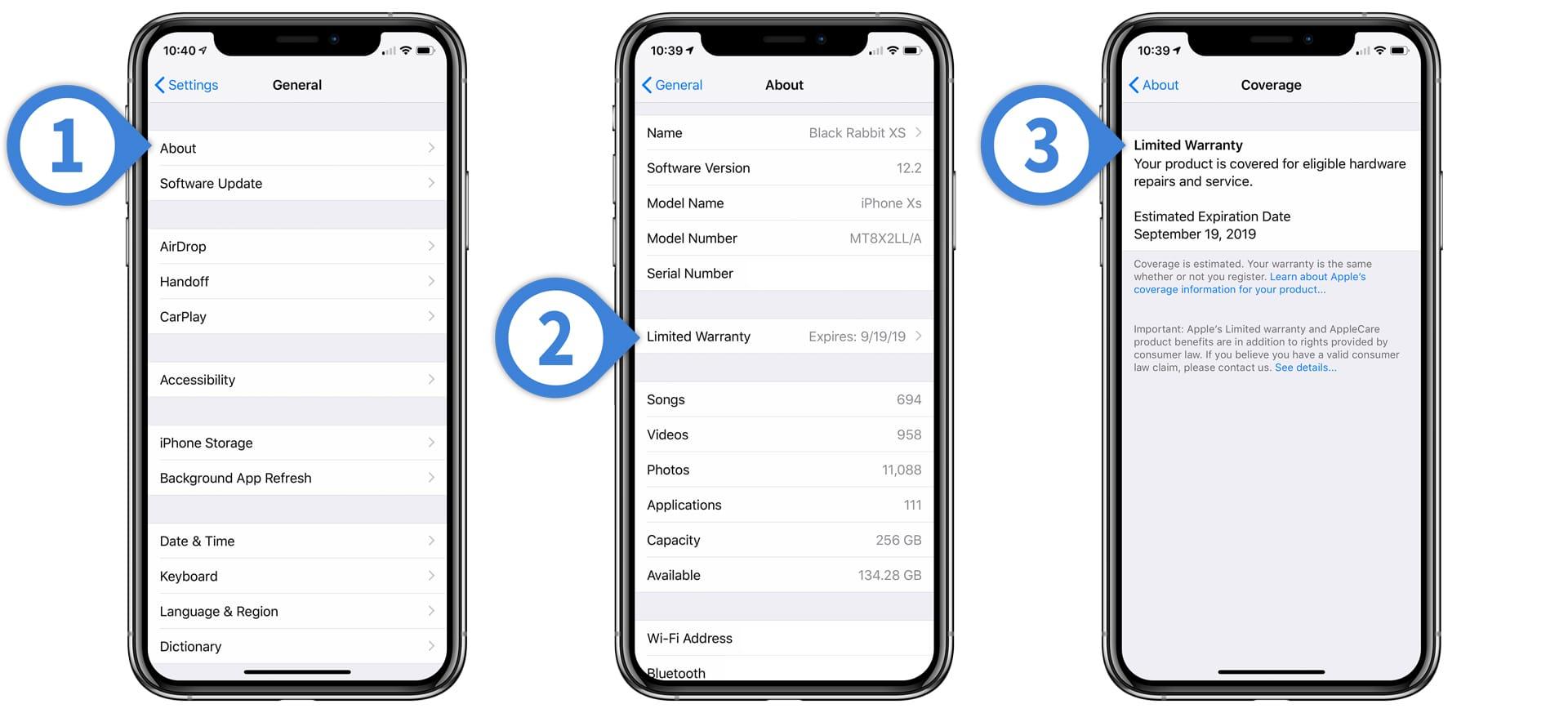
    To check your warranty status, you’ll need your device’s serial number. You can find this on the device itself, on the original packaging, or in your Apple account.

    Once you have the serial number, head to the Apple Support Lookup page and enter it in the required field. You’ll then see your device’s warranty information, including the expiration date and any remaining warranty coverage.

    If your device is still under warranty, you may be eligible for free repairs or replacements. However, if your warranty has expired, you’ll need to explore other repair options.

    Either way, knowing your device’s warranty status is crucial in determining your next steps.

    Finding Repair Options for Your Device

    Since your device’s warranty status has been determined, it’s time to explore repair options if you’re in need of a fix.

    You’ve got a few choices, depending on your device’s condition and warranty status. If you’re not sure what’s wrong, you can start by troubleshooting the issue with Apple’s online support resources.

    These guides can help you identify the problem and potentially fix it yourself.

    If that doesn’t work, you can contact Apple Support directly to discuss your repair options. They’ll help you determine the best course of action and provide a quote for any necessary repairs.

    You can also visit an Apple Store or authorized service provider for in-person support. Be prepared to provide your device’s serial number and a detailed description of the issue you’re experiencing.

    What to Do If Your Device Is Eligible

    If your device is eligible for repair or replacement, Apple’s got you covered.

    You’ll need to contact Apple Support to initiate the repair process. You can do this by phone, email, or online chat. Make sure you have your device’s serial number handy, as you’ll need to provide it to the support representative.

    Once you’ve reached out to Apple Support, they’ll guide you through the next steps.

    Depending on the type of repair, you might need to mail your device to an Apple Repair Center or visit an Apple Store. In some cases, you might be able to schedule an on-site repair.

    Before sending your device in for repair, make sure to back up your data and erase your device.

    This will ensure that your personal information is safe and secure. Apple will then repair or replace your device and return it to you as soon as possible.

    Benefits of Using Apple Support Lookup

    You’ve got your device eligible for repair or replacement, and you’ve initiated the process with Apple Support. Now, you’re probably wondering what’s next.

    That’s where Apple Support Lookup comes in. This handy tool lets you check the status of your repair or replacement process online, 24/7. You can also use it to find authorized service providers near you, which can save you time and effort.

    Using Apple Support Lookup has several benefits. For one, you’ll get accurate and up-to-date information about your device’s repair status.

    You won’t have to wait on hold or make repeated calls to Apple Support to get an update. Additionally, you can schedule a repair or replacement appointment at a time that suits you. Apple Support Lookup also lets you print out a service estimate, which can be useful for insurance or warranty purposes.

    Conclusion

    You’ve determined your device needs repair – now what? You’ve got a clear understanding of your warranty status and potential issues. Contact Apple Support directly to discuss repair options and get quotes, or head to an Apple Store or authorized service provider for in-person support. With Apple Support Lookup, you’re just a few clicks away from getting your device back in top shape. By using this tool, you’ve saved time and hassle, and can get back to enjoying your device in no time.

  • SEO Blog Writing How to Create High-Ranking Content That Drives Traffic

    By AQ February 22, 2025

    SEO Blog Writing: How to Create High-Ranking Content That Drives Traffic

    In today’s digital age, creating high-ranking content is essential for businesses and content creators who want to stand out online. Search engine optimization (SEO) is the key to ensuring your blog posts reach the right audience and drive traffic to your site. But with the constantly evolving algorithms of search engines like Google, it can be tricky to know where to start.

    Fear not! In this guide, we’ll walk you through the essential steps of writing SEO-friendly blog content that doesn’t just rank high on search engines but also resonates with your readers. So, grab a cup of coffee, and let’s dive into how to create blog posts that both Google and your audience will love.

    1. Understand Your Audience and Search Intent

    Before you begin writing, it’s vital to have a clear understanding of who you’re writing for. Understanding your audience helps you create content that is relevant, valuable, and engaging. When writing for SEO, it’s not just about sprinkling in keywords—it’s about addressing your audience’s needs.

    Search intent is at the heart of this. Search intent refers to the reason behind a search query. Are people looking for information, a product to purchase, or a solution to a problem? Your blog content should satisfy that intent. For example, if someone searches “how to bake a chocolate cake,” they likely want a detailed, step-by-step guide. Your blog post should deliver that in a clear, engaging manner.

    2. Do Your Keyword Research

    Now that you know your audience’s needs, it’s time to find out what terms they’re using to search for your content. This is where keyword research comes in.

    Tools like Google Keyword Planner, Ahrefs, SEMrush, or Ubersuggest help you identify popular keywords relevant to your topic. Look for keywords with a good balance of search volume (how often a term is searched) and competition (how hard it is to rank for that term). Don’t aim for highly competitive keywords right away. Instead, focus on long-tail keywords—phrases that are more specific and less competitive.

    Once you’ve found your target keywords, sprinkle them naturally throughout your content. Include them in your title, subheadings, meta description, and within the body of your blog post. But remember: Keyword stuffing is a big no-no! Write for humans, not just for search engines. The goal is to integrate your keywords seamlessly into your content.

    3. Write Compelling, High-Quality Content

    Now comes the most important part: writing the blog post itself. While SEO is about optimizing content for search engines, the primary focus should always be on your readers. Great content naturally attracts backlinks, shares, and higher engagement—important factors for seo blog writing ranking.

    To craft a high-quality blog post, make sure it’s well-structured and easy to read. Break up large chunks of text with short paragraphs, bullet points, and numbered lists. Use clear headings and subheadings to guide the reader through the content.

    Your writing should be informative, authoritative, and engaging. Answer the questions your audience is asking. Solve problems, share tips, provide insights, or tell compelling stories. The more value you offer, the more likely readers will stay on your page and share your content, both of which improve your SEO.

    4. Optimize On-Page SEO Elements

    On-page SEO refers to the elements you can control on your page that help it rank better in search engines. Here are some essential on-page SEO tactics:

    • Title Tag: The title of your blog post is one of the most important ranking factors. Make sure it’s compelling, includes your primary keyword, and is under 60 characters to avoid truncation in search results.

    • Meta Description: This is the brief description that appears below the title in search results. Make it catchy, include your main keyword, and ensure it’s under 160 characters.

    • URL Structure: Keep your URL short and descriptive.

    • Internal Linking: Link to other relevant blog posts or pages on your website. This helps readers navigate your content and improves your site’s SEO by showing search engines the relationship between pages.

    • Alt Text for Images: Search engines can’t “see” images, so use alt text to describe them. This helps with image search rankings and makes your content more accessible.

    5. Focus on User Experience (UX)

    User experience (UX) is a crucial element of SEO. Google takes into account how users interact with your website. If people quickly leave your page (high bounce rate), it signals to Google that your content may not be useful or relevant.

    To improve UX:

    • Ensure Mobile Friendliness: Most searches are now made on mobile devices, so your website must be mobile-optimized.

    • Improve Load Speed: A slow-loading page can drive users away. Compress images, minify code, and use a fast hosting provider to ensure quick load times.

    • Clear Navigation: Make it easy for users to find other content on your site. Simple navigation can enhance user experience and reduce bounce rates.

    6. Use Engaging Multimedia

    Content that includes images, videos, infographics, and other media tends to perform better. Not only do multimedia elements break up text, making it easier to read, but they also increase engagement.

    For instance, a video that demonstrates your blog post’s tips or an infographic summarizing your key points can increase time spent on the page and shares. Multimedia also improves your chances of ranking in Google’s rich snippets, which often feature images or videos.

    7. Promote Your Content

    Writing great content is only half the battle. The other half is getting people to see it. Once your blog post is live, promote it across various channels. Share it on social media, email newsletters, and any other platforms relevant to your audience. Consider reaching out to influencers, bloggers, or other content creators in your niche who may find your content valuable and share it with their audience.

    Backlinks are one of the strongest ranking factors for SEO. When other reputable websites link to your content, it tells Google that your post is credible. Focus on building relationships and generating high-quality backlinks.

    Conclusion: Patience is Key

    Creating high-ranking content that drives traffic takes time. SEO is a long-term game, and results don’t appear overnight. But by following these steps—understanding your audience, performing keyword research, writing high-quality content, optimizing for SEO, and promoting your posts—you’re setting yourself up for success.

    Remember, the goal is not just to rank higher on search engines but to provide real value to your readers. When your content resonates with people, they’ll return for more, share it, and keep your traffic flowing.

    So, go ahead—start creating that SEO-friendly blog post. Your traffic will thank you!

  • The Ultimate Guide to SMS Marketing Best Practices

    By AQ February 10, 2025

    As you navigate the intricate landscape of SMS marketing, honing your strategies is key to reaching your target audience effectively. By understanding the nuances of crafting compelling messages, optimizing timing, and deciphering performance metrics, you can elevate your SMS campaigns to new heights of success. But remember, the road to mastering SMS marketing best practices is not without its challenges and intricacies. Stay tuned to discover the crucial insights that can transform your SMS marketing endeavors from average to exceptional.

    Setting Clear Campaign Goals

    When embarking on an SMS marketing campaign, setting clear campaign goals is crucial for achieving success. Before diving into sending messages to your customers, take the time to define what you want to achieve through your SMS marketing efforts. Are you looking to increase sales, drive website traffic, promote a new product, or enhance customer engagement? Clearly outlining your objectives will guide your messaging strategy and help you measure the effectiveness of your campaign.

    Start by identifying specific, measurable goals that align with your overall marketing strategy. Whether it’s aiming for a certain conversion rate, growing your subscriber list by a certain percentage, or boosting customer retention, make sure your goals are realistic and attainable.

    Additionally, consider the timeline for your campaign and any key performance indicators (KPIs) you’ll use to track progress.

    Building Opt-In Subscriber Lists

    To effectively build opt-in subscriber lists for your SMS marketing campaign, start by creating compelling incentives that entice customers to willingly share their phone numbers with you. Offer exclusive discounts, early access to promotions, or informative content that adds value to their lives. Make sure to clearly communicate the benefits of subscribing to your SMS list to increase sign-ups.

    Utilize multiple channels to promote your SMS subscription. Incorporate sign-up forms on your website, social media platforms, and in-store locations. Additionally, you can run targeted ads to reach a wider audience and encourage them to join your SMS list.

    Another effective strategy is to host giveaways or contests that require participants to subscribe to your SMS list to enter. This not only boosts your subscriber count but also generates excitement and engagement around your brand.

    Remember to always obtain explicit consent from subscribers before sending them any marketing messages. This not only ensures compliance with regulations but also builds trust with your audience, leading to higher engagement rates and customer loyalty.

    Crafting Engaging SMS Content

    Crafting engaging SMS content is essential for capturing your audience’s attention and driving meaningful interactions. When creating your SMS messages, ensure they are concise, relevant, and valuable to the recipient. Personalize your messages by using the subscriber’s name or past purchase history to make them feel special. Incorporating a clear call-to-action will guide recipients on what to do next, increasing conversion rates. Utilize emojis and multimedia elements sparingly to add visual appeal and break up text. Here’s a table to help you understand the key elements of crafting engaging SMS content:

    Element Description
    Conciseness Keep messages short and to the point.
    Relevance Ensure content is tailored to the recipient’s needs.
    Personalization Use subscriber data to make messages more personal.
    Call-to-Action (CTA) Include a clear instruction for recipients to follow.

    Timing and Frequency Strategies

    Optimizing the timing and frequency of your smsmarketingsweden.com marketing campaigns is crucial for achieving optimal results. When planning your SMS strategy, consider your target audience’s habits and time zones. Sending messages too early or too late can lead to lower engagement rates. Aim to send texts when recipients are likely to be active and receptive, such as during lunch breaks or in the early evening.

    Frequency is also key. Bombarding your subscribers with messages can lead to opt-outs and a negative perception of your brand. On the other hand, sending messages too infrequently can cause customers to forget about your brand. Strive for a balance that keeps your brand top of mind without overwhelming subscribers.

    Consider segmenting your audience based on their preferences and behavior to tailor the timing and frequency of messages. Test different schedules and frequencies to see what works best for your specific audience. By paying attention to timing and frequency, you can enhance the effectiveness of your SMS marketing campaigns.

    Analyzing Metrics for Success

    When delving into the realm of SMS marketing, one of the essential aspects that pave the way for success is analyzing metrics. By closely monitoring key performance indicators (KPIs) such as open rates, click-through rates, conversion rates, and opt-out rates, you can gain valuable insights into the effectiveness of your SMS campaigns.

    Open rates indicate how many recipients opened your messages, while click-through rates reveal the percentage of recipients who engaged with your content.

    Conversion rates measure the number of recipients who took the desired action, such as making a purchase, after receiving your SMS. Opt-out rates are crucial in understanding subscriber attrition.

    Analyzing these metrics allows you to identify what works well, what needs improvement, and where adjustments are necessary to optimize your SMS marketing efforts. Regularly reviewing and interpreting these metrics will help you refine your strategies, target your audience more effectively, and ultimately achieve better results.

    Frequently Asked Questions

    How Can Emojis Impact the Effectiveness of SMS Marketing Campaigns?

    Emojis can significantly boost SMS marketing campaigns by adding visual appeal, conveying emotions, and increasing engagement. They help messages stand out, resonate with recipients, and create a more personalized connection, enhancing overall campaign effectiveness.

    What Are the Best Practices for Personalizing SMS Messages?

    To personalize SMS messages effectively, tailor content to recipients’ preferences, use their names, and segment your audience for targeted messaging. Engage customers with relevant offers and timely updates, creating a personalized experience that fosters strong connections.

    Is It Better to Send SMS Campaigns During Weekdays or Weekends?

    You should send SMS campaigns on weekdays for better engagement. Weekends may result in lower response rates as people are often busy with personal activities. Optimize your timing based on your target audience’s behavior.

    How Do You Handle Opt-Out Requests From Subscribers?

    When subscribers opt-out, promptly acknowledge their request and provide an easy way to unsubscribe. Respect their decision, update your database, and ensure compliance with regulations. Simplify the process to maintain a positive customer experience.

    What Are the Key Differences Between SMS Marketing and Email Marketing?

    In SMS marketing, you reach customers instantly on their phones. It’s concise, with 160 characters. Email marketing is more detailed, better for long-form content. SMS is great for urgent promotions, while email allows for richer visuals and information.

    Conclusion

    In conclusion, follow these SMS marketing best practices to maximize your campaign’s effectiveness. Set clear goals, grow your opt-in list, create engaging content, consider timing and frequency, and analyze metrics for success. By implementing these strategies, you can connect with your audience in a meaningful way and drive better results for your business. Keep refining your approach and adapting to feedback to continuously improve your SMS marketing efforts.

  • TikTok Algorithm Hacks to Boost Your Follower Count     

    By AQ February 10, 2025

    If you’ve ever wondered why some TikTok videos go viral overnight, while others get lost in the void, the answer lies in the TikTok algorithm. Understanding how the algorithm works is the secret weapon to growing your follower count fast.

    The good news? You don’t need luck to go viral—you just need to know the right strategies. In this article, I’ll break down powerful TikTok algorithm hacks that will help you boost your reach, engagement, and followers in no time!

    1. Master the First 3 Seconds (Hook Your Audience FAST!)

    TikTok’s algorithm prioritizes watch time and engagement, so if people scroll past your video in the first few seconds, TikTok will stop pushing it to new viewers.

    Hack: Grab Attention Immediately

    Start with a bold statement → “STOP! You need to hear this!”
    Ask a curiosity-driven question → “Did you know TikTok has a secret feature?”
    Use on-screen text in the first second to hint at what’s coming.

    Pro Tip: The longer people watch your video, the more TikTok will promote it—so keep your content engaging from start to finish!

    2. Post at the Right Time for Maximum Exposure

    Posting at random times means you’re missing out on potential engagement. The algorithm favors videos that get early interactions, so timing matters.

    Hack: Find Your Best Posting Time

    Best Times to Post on TikTok (2024 Updated):

    • Morning: 6 AM – 9 AM

    • Afternoon: 12 PM – 3 PM

    • Evening: 7 PM – 10 PM

    Pro Tip: Check your TikTok analytics (under Creator Tools) to see when your audience is most active, then post at those times for maximum reach!

    3. Use Trending Sounds & Challenges to Get More Views

    TikTok loves trending content, so if you’re not using popular sounds and challenges, you’re missing out on free exposure.

    Hack: Jump on Trends Before They Peak

    Scroll through the For You Page (FYP) daily to find trending sounds.
    Use TikTok’s Creative Center to see what’s gaining traction.
    Add a unique spin to trending challenges to stand out.

    Pro Tip: Even if a trend doesn’t fit your niche, get creative and find a way to make it work for your brand!

    4. Optimize Your Hashtags for More Reach

    Many people use hashtags the wrong way—either using too many random ones or only using generic hashtags like #FYP. The key is strategic hashtag placement.

    Hack: Use the Right Hashtag Formula

    1-2 trending hashtags → #ViralTikTok, #TrendingNow
    1-2 niche-specific hashtags → (e.g., #FitnessHacks for workout content)
    1 general hashtag → #TikTokGrowth

    Pro Tip: Avoid using more than 5 hashtags—TikTok may think you’re spammy!

    5. Keep Your Videos Short & Loopable

    TikTok loves videos with high completion rates—meaning the more people watch your video until the end (or rewatch it), the better it performs.

    Hack: Make Your Video Loop Seamlessly

    End your video in a way that connects back to the beginning.
    Use captions like “Watch till the end!” to keep viewers hooked.
    Keep most of your videos between 7-15 seconds for higher retention.

    Pro Tip: The best-performing videos are short, engaging, and make people watch multiple times!

    6. Engage with Comments, Duets, and Stitches

    TikTok rewards creators who interact with their audience. If you’re not replying to comments or engaging with other videos, TikTok will assume your content isn’t worth pushing.

    Hack: Boost Engagement with These Tricks

    Reply to comments with video responses (this keeps the conversation going!).
    Duet or Stitch trending videos to tap into their audience.
    Comment on viral videos in your niche—a clever comment can bring thousands of profile visits!

    Pro Tip: The more engagement your video gets in the first hour, the more TikTok will push it to new viewers!

    7. Post Consistently to Stay Relevant

    If you post once in a while, TikTok’s algorithm will forget about you. The most successful creators post daily to keep their audience engaged and TikTok’s algorithm happy.

    Hack: Find Your Ideal Posting Frequency

    Post at least once a day (2-3x per day is even better!).
    Batch-create content to stay ahead.
    Repurpose high-performing videos with a new twist!

    Pro Tip: If a video performs well, post a similar one! TikTok often promotes related content from the same creator.

    8. Use a Killer TikTok Bio to Convert Visitors into Followers

    If people visit your profile and don’t understand what you do, they won’t follow you. Your bio should make it clear why people should follow you!

    Hack: Optimize Your Bio Like a Pro

    Use a clear, catchy bio → “Helping you grow on TikTok ”
    Include a Call-to-Action (CTA) → “Follow for daily tips!”
    Add a link to your Instagram, YouTube, or website.

    Pro Tip: Your profile should be instantly understandable—first impressions matter!

    9. Use Calls-to-Action (CTAs) to Increase Engagement

    If you don’t tell people what to do next, they won’t engage. Simple CTAs like “Follow for more!” can skyrocket your engagement and follower count!

    Hack: Add a CTA to Every Video

    Ask viewers to comment a keyword (e.g., “Comment ‘YES’ if you agree!”).
    Tell them to follow you for more similar content.
    Encourage them to share your video with a friend.

    Pro Tip: The more engagement your video gets, the more اشتراك نتفلكس will recommend it to new people!

    Final Thoughts: Growth is in Your Hands!

    TikTok’s algorithm isn’t a mystery—it’s a system that rewards engagement, watch time, and consistency. If you apply these 9 algorithm hacks, you’ll start seeing massive growth in your follower count!

    Quick Recap – TikTok Algorithm Hacks:

    Hook viewers in the first 3 seconds to boost watch time.
    Post at peak hours for maximum engagement.
    Use trending sounds & challenges to increase visibility.
    Optimize hashtags (but don’t overdo them!).
    Make your videos short & loopable for more views.
    Engage with your audience (comments, duets, stitches).
    Post consistently (1-3x per day for the best results).
    Optimize your TikTok bio to convert visitors into followers.
    Use strong CTAs to increase engagement.

    Now it’s your turn! Start using these TikTok algorithm hacks today, and watch your follower count explode