
Automotive

  • Pleural Thickening Medical and Legal Considerations

    By AQ December 21, 2024

    As you consider the implications of pleural thickening from both medical and legal standpoints, the complex interplay between health implications and legal recourse becomes apparent. The intricacies surrounding this condition, often linked to asbestos exposure, raise vital questions about accountability, compensation, and justice. Exploring the nuances of managing medical treatments alongside legal considerations can shed light on the multifaceted nature of addressing pleural thickening thoroughly.

    Causes of Pleural Thickening

    When considering the causes of pleural thickening, it’s vital to understand that prolonged exposure to asbestos fibers is the primary perpetrator. Asbestos, widely used in the past for its heat-resistant properties, can lead to the development of pleural thickening when its tiny fibers are inhaled and become trapped in the lining of the lungs. Over time, these fibers cause inflammation and scarring, leading to the thickening of the pleura, the membrane that surrounds the lungs.

    Other potential causes of pleural thickening include certain medications, radiation therapy, infections like tuberculosis, and autoimmune conditions such as rheumatoid arthritis. However, asbestos exposure remains the most common and significant cause of this condition.

    It’s essential for individuals with a history of asbestos exposure to undergo regular medical check-ups to monitor their lung health and detect any signs of pleural thickening early on.

    Understanding the primary role of asbestos exposure in pleural thickening is crucial for both prevention and early intervention in cases where this condition develops.

    Symptoms and Diagnosis

    Exploring the symptoms and diagnosis of pleural thickening provides vital insights for early detection and effective management. Symptoms of pleural thickening may not manifest until years after exposure to asbestos or other irritants. Common symptoms include chest pain, shortness of breath, persistent cough, and fatigue. These symptoms often mimic those of other respiratory conditions, making diagnosis challenging.

    To diagnose pleural thickening, doctors typically start with a thorough physical examination and medical history review. Imaging tests such as chest X-rays or CT scans can reveal thickening of the pleural membranes. Pulmonary function tests may also be conducted to assess lung function. In some cases, a biopsy of the pleural tissue may be necessary for a definitive diagnosis.

    Early detection of pleural thickening is critical as it can lead to the timely initiation of treatment and management strategies. If you experience any of the symptoms associated with pleural thickening, seek medical attention promptly to undergo proper diagnostic procedures.

    Treatment Options

    Investigating treatment options for pleural thickening is vital for managing this condition effectively. While pleural thickening itself is irreversible, treatments focus on managing symptoms and preventing complications. Your healthcare provider may recommend pulmonary rehabilitation to improve breathing and lung function. Additionally, medications like bronchodilators can help alleviate breathing difficulties.

    In some cases, surgical interventions such as pleurodesis or decortication may be considered to alleviate symptoms and improve quality of life. It’s important to address any underlying causes of pleural thickening, such as asbestos exposure, to prevent further damage. Your medical team will tailor the treatment plan to your specific needs, considering factors like the extent of thickening and your overall health.

    Regular follow-up appointments are crucial to monitor your condition and adjust treatment as needed. Remember to discuss treatment goals and options thoroughly with your healthcare provider to make informed decisions about managing pleural thickening effectively.

    Legal Rights and Compensation

    To understand your legal rights and potential for compensation regarding pleural thickening, it’s essential to recognize the impact of asbestos exposure on your health and well-being. Asbestos fibers, once inhaled, can lead to pleural thickening, a condition where the lining of the lungs becomes scarred and thickened. Here are some key points to take into account when exploring your legal rights:

    • Evidence Gathering: Collect all medical records, test results, and documentation related to your asbestos exposure and diagnosis of pleural thickening.
    • Consultation with Legal Experts: Seek advice from lawyers specialized in asbestos-related cases to evaluate the strength of your potential claim for compensation.
    • Understanding Legal Options: Learn about the different legal avenues available to pursue compensation, such as lawsuits, trust funds, or settlements with asbestos companies.

    Seeking Legal Assistance

    To navigate the complexities of pursuing legal action for pleural thickening, the next step involves seeking out competent legal assistance. When looking for a lawyer to help with your case, it’s vital to find someone experienced in handling asbestos-related claims, as pleural thickening is often linked to asbestos exposure. An attorney with expertise in this area will understand the nuances of such cases and can guide you through the legal process efficiently.

    Start by researching law firms that specialize in asbestos litigation or personal injury cases. Look for attorneys with a proven track record of securing compensation for individuals affected by asbestos-related illnesses. During your initial consultations, ask about their experience with pleural thickening cases specifically and inquire about their success rates.

    Additionally, consider the lawyer’s communication style barristers chambers how comfortable you feel discussing your case with them. A good attorney will listen to your concerns, provide clear explanations of your legal options, and keep you informed throughout the litigation process.

    Frequently Asked Questions

    Can Pleural Thickening Be Prevented?

    You can prevent pleural thickening by avoiding exposure to asbestos and other harmful substances. Take precautions such as wearing protective gear and following safety guidelines in workplaces where these materials are present to reduce your risk.

    Is Pleural Thickening a Form of Cancer?

    No, pleural thickening is not a form of cancer. It is a condition where the lining of the lungs thickens and hardens due to various factors. It can be caused by asbestos exposure or other lung irritants.

    Can Pleural Thickening Lead to Other Respiratory Conditions?

    Yes, pleural thickening can lead to other respiratory conditions. It may cause symptoms like difficulty breathing, chest pain, and coughing. Consulting a healthcare provider is essential for proper diagnosis and management of any related issues.

    Are There Any Alternative Therapies for Pleural Thickening?

    If you’re exploring alternative therapies for pleural thickening, consult with your healthcare provider. They can suggest treatments like acupuncture, yoga, or dietary changes to complement traditional medical care and help manage symptoms effectively.

    Does Pleural Thickening Affect Life Expectancy?

    Yes, pleural thickening can impact life expectancy. It may lead to breathing difficulties and reduced lung function, affecting overall health. Regular monitoring and treatment can help manage symptoms and potentially improve outcomes.

    Conclusion

    To sum up, understanding the medical and legal aspects of pleural thickening is essential for those affected by asbestos exposure. By acknowledging the causes, symptoms, and treatment options, individuals can better navigate their healthcare journey. Additionally, being mindful of legal rights and seeking compensation through experienced legal assistance can offer vital support and justice for those dealing with pleural thickening. Remember, you are not alone in this struggle and help is available to guide you through the process.

  • Everything You Need to Know About Installing Tesla Window Tint

    By AQ December 18, 2024

    When it comes to enhancing your Tesla with window tint, there are important factors to take into account for a successful installation. From understanding the different types of tint available to the vital decision of selecting the right shade, each step plays a significant role in the end result. Ensuring proper preparation and weighing the options of going the professional route or opting for a DIY approach can make all the difference. Stay tuned to discover the nuances that can make your Tesla stand out while enjoying the benefits of tinted windows.

    Benefits of Tesla Window Tint

    When you install window tint on your Tesla, you not just enhance its aesthetic appeal but also improve the overall driving experience. The tint helps to reduce glare from the sun, making it easier for you to see clearly while driving, especially during bright days.

    It also provides privacy by making it harder for outsiders to see into your car, adding a layer of security for you and your belongings. Additionally, window tint can help regulate the temperature inside your Tesla, keeping it cooler in the hot summer months and reducing the need for excessive air conditioning, which can improve your car’s energy efficiency.

    What’s more, the tint protects your interior from harmful UV rays, preventing fading and cracking of your dashboard and seats. Overall, adding window tint to your Tesla not just enhances its look but also contributes to a more comfortable and enjoyable driving experience.

    Types of Tint for Tesla

    Enhancing your Tesla with window tint involves selecting the right type that suits your preferences and needs. When choosing the tint for your Tesla, consider the following options:

    1. Carbon Window Tint: This type of tint is known for its high heat reduction properties, blocking around 40-50% of solar heat. Carbon tint is also non-reflective, giving your Tesla a sleek and stylish look.
    2. Ceramic Window Tint: Ceramic tint is a premium option that offers excellent heat rejection, UV protection, and clarity. It’s fade-resistant and blocks up to 50-70% of solar heat, making it ideal for hot climates.
    3. Metalized Window Tint: Metalized tint is durable and provides strong heat rejection. It contains metallic particles that reflect heat and UV rays, enhancing your Tesla’s privacy and security.

    Each type of tint offers unique benefits, so choose one based on your preferences for heat reduction, UV protection, and style.

    Choosing the Right Shade

    For your Tesla window tint, selecting the appropriate shade is crucial in achieving the desired look and functionality. When choosing the shade, factor in aspects such as your privacy needs, heat rejection requirements, and personal style preferences.

    Darker shades like limo tint offer maximum privacy and heat reduction, making them ideal for sunny climates or if you prioritize privacy. However, keep in mind that very dark tints can limit visibility, especially at night.

    Medium shades strike a balance between aesthetics, heat rejection, and visibility, making them a popular choice for many Tesla owners.

    Lighter shades provide a subtle tint that enhances the appearance of your Tesla without a significant impact on visibility. They’re also a good option if you want to maintain a more open and airy feel inside the car.

    Ultimately, the right shade will depend on your specific needs and preferences, so take the time to assess what matters most to you before making a decision.

    Preparation Steps Before Installation

    To guarantee a successful installation of your Tesla window tint, it’s important to properly prepare the windows beforehand. Follow these steps for a seamless tinting process:

    1. Clean the Windows: Begin by thoroughly cleaning the windows inside and out. Use a mild glass cleaner and a microfiber cloth to remove any dirt, dust, or debris. Ensuring the windows are clean will help the tint adhere properly without any imperfections.
    2. Remove Obstructions: Check the windows for any obstructions that could interfere with the tint installation. Remove items such as stickers, decals, or adhesives from the windows. Clearing the windows of any obstacles will result in a smoother application of the tint.
    3. Dry the Windows: After cleaning and removing any obstructions, make sure the windows are completely dry before applying the tint. Use a clean, dry cloth to remove any remaining moisture or streaks. Dry windows will help the tint adhere evenly and avoid any bubbling during installation.

    Professional Vs. DIY Installation

    Considering whether to opt for professional installation or tackle the window tinting project yourself can be an important decision for Tesla owners. Professional installation offers the expertise of trained professionals who can guarantee a precise fit and high-quality finish. They’ve the necessary tools and experience to handle the job efficiently, reducing the risk of errors. Additionally, professional installers often provide warranties that cover any issues that may arise post-installation.

    On the other hand, a DIY installation can be a cost-effective option for those who enjoy taking on home improvement projects. It allows you to work at your own pace and customize the tinting process to your preferences. However, DIY tinting requires careful attention to detail and patience to avoid bubbles, creases, or misalignment. It’s crucial to follow instructions closely and use the right tools to achieve a satisfactory result.

    Ultimately, the decision between professional and DIY installation depends on your comfort level with the task, available time, and budget. Consider your skill level and the complexity of the tinting project before making a choice.

    Frequently Asked Questions

    Can Tesla Window Tint Affect the Performance of Autopilot Features?

    Yes, Tesla window tint may impact autopilot features. Verify that the tint complies with Tesla’s guidelines to avoid interference. Consult with professionals for proper installation to maintain peak performance and safety of your autopilot system.

    How Long Does Tesla Window Tint Typically Last Before Needing Replacement?

    Tesla window tint typically lasts around 5-10 years before needing replacement. Regular maintenance and cleaning can help prolong its lifespan. Over time, exposure to sunlight and wear can cause the tint to fade or peel.

    Will Tesla Window Tint Void the Vehicle’s Warranty?

    Tesla PPF window tint will not nullify the vehicle’s warranty if installed by a professional. However, improper installation or aftermarket tint could potentially nullify the warranty. Adhere to Tesla’s guidelines to avoid any issues.

    Are There Any Restrictions on Tesla Window Tint Darkness Levels?

    Yes, there are restrictions on Tesla window tint darkness levels. Follow local laws for best visibility and safety. Darker tints may hinder visibility at night or violate regulations, potentially leading to fines.

    Can Tesla Window Tint Be Removed Without Damaging the Glass?

    Yes, you can remove Tesla window tint without damaging the glass. Peel back the tint slowly from a corner using a razor blade or a heat gun. Clean any adhesive residue with soapy water and a razor blade.

    Conclusion

    Now that you know the benefits of Tesla window tint, the different types available, how to choose the right shade, and the importance of proper preparation before installation, you’re ready to enhance your driving experience. Whether you opt for a professional installation or decide to tackle it yourself, adding window tint to your Tesla will not only improve the aesthetics of your vehicle but also provide practical benefits like heat reduction and UV protection. Enjoy your newly tinted windows!

  • DSLR Microphones Enhance Your Video Sound Quality Today

    By AQ December 10, 2024

    When it comes to enhancing the quality of your video sound, DSLR microphones play a crucial role in achieving professional audio results. By upgrading from your camera’s built-in microphone to a dedicated DSLR microphone, you can expect a noticeable difference in clarity and depth of sound. But what sets these microphones apart? How can they transform your recordings? Dive into the world of DSLR microphones and discover how they can take your audio quality to the next level.

    Benefits of DSLR Microphones

    Looking to enhance the audio quality of your videos? DSLR microphones offer a range of benefits that can significantly improve your sound recording experience.

    One key advantage of using a DSLR microphone is the enhanced sound quality it provides compared to the built-in microphone on your camera. By capturing clearer and more professional audio, DSLR microphones can elevate the overall production value of your videos.

    Another benefit of DSLR microphones is their versatility. With different types of microphones available, such as shotgun, lavalier, and stereo microphones, you can choose the one that best suits your recording needs. Whether you’re filming interviews, vlogs, or action shots, there’s a DSLR microphone that can enhance the audio specifically for that purpose.

    Additionally, DSLR microphones are often designed to reduce unwanted background noise, resulting in cleaner audio recordings. This feature ensures that your audience can focus on the main audio content without distractions.

    Types of DSLR Microphones

    To further enhance your video sound quality, exploring the various types of DSLR microphones available can significantly elevate your recording capabilities. When it comes to DSLR microphones, there are three main types to consider: shotgun microphones, lavalier microphones, and stereo microphones. Each type serves a specific purpose and caters to different recording needs.

    Type of dslr microphone Microphone Description Best Use Cases
    Shotgun Microphones Highly directional with a narrow pickup pattern Ideal for capturing sound from a distance or in noisy environments
    Lavalier Microphones Small, discreet microphones that clip onto clothing Perfect for interviews, vlogs, or situations where hands-free recording is needed
    Stereo Microphones Capture sound in a wide, immersive manner Great for recording music, ambient sounds, or creating a sense of space

    Understanding the differences between these types of DSLR microphones will help you choose the best option for your specific recording needs and enhance the overall quality of your videos.

    Key Features to Consider

    When considering DSLR microphones to enhance your video sound quality, it’s essential to pay attention to key features that can make a significant difference in your recording results.

    The first feature to consider is the directionality of the microphone. Different microphones have varying pickup patterns such as cardioid, supercardioid, or shotgun, which affect how they capture sound.

    Additionally, look for microphones with adjustable gain settings to control the input volume and prevent distortion. A high signal-to-noise ratio is crucial for capturing clean audio without unwanted background noise interference.

    It’s also important to check for microphone frequency response to ensure it can accurately capture a wide range of sounds.

    Lastly, consider the physical design and mounting options of the microphone to ensure it’s compatible with your DSLR setup and can be positioned correctly for optimal sound capture. By paying attention to these key features, you can significantly enhance the quality of your video sound recordings.

    How to Improve Audio Quality

    For better audio quality in your video recordings, consider optimizing your recording environment to minimize background noise and echoes. To enhance the audio quality further, follow these tips:

    • Choose a quiet location for recording to reduce external noise interference.
    • Use sound-absorbing materials like carpets, curtains, or acoustic panels to minimize echoes.
    • Position the microphone close to the sound source for clear and crisp audio.
    • Monitor audio levels to prevent distortion or clipping during recording.
    • Consider using a pop filter to reduce plosive sounds like ‘p’ or ‘t’ that can distort the audio.

    Top DSLR Microphone Recommendations

    Looking to enhance the sound quality of your DSLR video recordings? Investing in a high-quality external microphone can make a significant difference in the audio clarity of your videos. Here are some top DSLR microphone recommendations to consider for improving your video sound quality.

    1. Rode VideoMic Pro+: This shotgun microphone offers superior sound quality with its built-in shock mounting and high-pass filter to reduce background noise.
    2. Sennheiser MKE 400: A compact and lightweight option, this microphone provides excellent sound pickup and includes a windscreen for outdoor recording.
    3. Audio-Technica AT8024: This versatile microphone offers both stereo and mono recording options, making it ideal for various shooting scenarios.
    4. Tascam TM-2X: Perfect for capturing directional audio, this microphone attaches directly to your camera for convenience and portability.
    5. Shure VP83 LensHopper: With its supercardioid polar pattern, this microphone focuses on sound in front of the camera, reducing unwanted noise from the surroundings.

    Consider these top DSLR microphone options to elevate the audio quality of your video recordings.

    Frequently Asked Questions

    Can DSLR Microphones Be Used With Smartphones for Recording Video?

    Yes, DSLR microphones can be used with smartphones for recording video. They offer improved sound quality and are compatible with many smartphone models. Simply connect the microphone to your phone and enjoy enhanced audio for your videos.

    Are DSLR Microphones Suitable for Outdoor Filming in Windy Conditions?

    Yes, DSLR microphones are suitable for outdoor filming in windy conditions. They often come with windshields or foam covers to reduce wind noise. Ensure proper setup and positioning to capture clear audio in challenging outdoor environments.

    How Do I Prevent Interference or Background Noise When Using a DSLR Microphone?

    To prevent interference or background noise when using a DSLR microphone, ensure to select a quiet filming location, use a windscreen for outdoor shoots, and adjust microphone settings to reduce sensitivity. These steps will help improve audio quality significantly.

    Can I Use a DSLR Microphone for Live Streaming or Virtual Meetings?

    Yes, you can use a DSLR microphone for live streaming or virtual meetings. It provides clear audio, enhancing your video quality. Ensure proper setup and settings to optimize sound performance, minimizing background noise and interference for a professional experience.

    Do DSLR Microphones Require Additional Accessories for Optimal Performance?

    Yes, DSLR microphones typically benefit from additional accessories like wind filters or shock mounts for optimal performance. These can help reduce unwanted noise and vibrations, ensuring clearer audio quality for your recordings or livestreams.

    Conclusion

    So grab a DSLR microphone today and start taking your video sound quality to the next level. With improved audio clarity, reduced background noise, and professional-grade recordings, you’ll be amazed at the difference it makes in your content. Don’t settle for subpar sound quality in your videos – invest in a DSLR microphone and elevate your production value effortlessly.

  • Long-Lasting Garage Floor Coatings Why Epoxy Is the Best

    By AQ December 7, 2024

    When it comes to choosing a long-lasting garage floor coating, you’ve likely considered several options, but epoxy stands out for a reason. Its remarkable durability means it can handle heavy traffic and resist stains, making it a practical choice for any garage. Plus, with a lifespan that can exceed 20 years, it not only enhances your garage’s look but also simplifies upkeep. However, before you make a decision, it’s crucial to explore the installation process and the various aesthetic options available that can truly elevate your space.

    Benefits of Epoxy Coatings

    When you consider upgrading your garage floor, epoxy coatings offer a range of impressive benefits that make them a top choice.

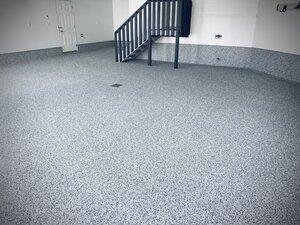
    First and foremost, these coatings enhance the appearance of your garage. With a glossy finish available in various colors and styles, you can easily transform a dull space into a sleek, attractive area.

    Another significant advantage is the ease of maintenance. Epoxy floors resist stains and spills, allowing you to clean them quickly with just soap and water. This means you won’t have to spend hours scrubbing or worrying about permanent marks.

    Additionally, epoxy coatings provide a seamless surface, eliminating cracks and crevices where dirt and grime can accumulate. This feature not only contributes to cleanliness but also creates a more sanitary environment.

    You’ll also appreciate the slip-resistant texture epoxy coatings can provide, enhancing safety when you’re moving around in your garage.

    Plus, if you enjoy DIY projects, applying epoxy is a manageable task that can save you money.

    Durability and Longevity

    Epoxy coatings not only enhance your garage’s appearance but also stand out for their durability and longevity. When you choose epoxy for your garage floor, you’re investing in a surface that can withstand heavy traffic, impacts, and even spills. This toughness makes it ideal for spaces where you store vehicles, tools, and other heavy items.

    One of the key features of epoxy is its resistance to chemicals, including oils, gasoline, and cleaning agents. You won’t have to worry about stains or damage from everyday substances that might ruin other flooring options.

    Additionally, epoxy is highly resistant to chipping and cracking, meaning your floor will maintain its integrity even under extreme conditions.

    With proper maintenance, an epoxy coating can last up to 20 years or more, making it a long-term solution for your garage. Unlike other materials that may need frequent replacement, epoxy keeps your garage looking fresh and clean without the hassle.

    When you’re ready to invest in a flooring solution that combines aesthetics with resilience, epoxy is your best bet for a durable and long-lasting garage floor.

    Installation Process Overview

    Before diving into the installation process, it’s essential to understand that preparing your garage floor is a crucial step. Start by cleaning the surface thoroughly; remove any dirt, oil, or old coatings. Then, ensure your floor is dry and free of cracks. If you find any, repair them to create a smooth foundation.

    Once your floor is prepped, you can begin the installation. Here’s a quick overview of the steps involved:

    Step Description Time Required
    Cleaning Sweep and wash the floor, let it dry. 2-3 hours
    Repairs Fill in cracks and imperfections. 1-2 hours
    Priming Apply a primer to improve adhesion. 1 hour
    Coating Mix and apply the epoxy coat. 2-4 hours

    After applying the epoxy, allow it to cure properly. This typically takes about 24-48 hours, depending on the product. Following these steps ensures a durable and long-lasting garage floor that can withstand daily wear and tear. Following the right process will make all the difference in the final result!

    Aesthetic Options Available

    Once you’ve successfully installed your garage floor coating, you can explore various aesthetic options to enhance its appearance.

    One popular choice is adding color flakes or chips to your epoxy mix. These not only create a visually appealing texture but also help hide minor imperfections in the floor.

    If you prefer a sleek, modern look, consider opting for a solid color finish. You can choose from a wide range of shades, allowing you to match the floor with your garage’s overall design.

    For a more customized style, metallic epoxy finishes offer a unique, shimmering effect that can make your garage stand out.

    You can also incorporate a high-gloss or satin finish to your epoxy for added shine. This not only improves the visual appeal but also enhances durability.

    If you want to create zones within your garage, using different colors or patterns can help you designate areas for specific tasks.

    Maintenance and Care Tips

    Maintaining your garage floor coating is essential for preserving its appearance and longevity. Start by sweeping or vacuuming the surface regularly to remove dirt, debris, and gravel that can scratch the epoxy. For spills, clean them up immediately using a damp cloth or mop to prevent staining or damage.

    To deep clean, use a mild detergent mixed with water, applying it with a soft-bristle brush. Avoid harsh chemicals or abrasive cleaners, as these can wear down the coating. After cleaning, rinse thoroughly to remove any residue.

    You should also inspect your floor periodically for any signs of wear, like cracks or peeling. If you notice any issues, address them quickly to prevent further damage. For minor scratches, a quick touch-up with matching epoxy can work wonders.

    Lastly, consider applying a fresh coat of epoxy every few years to maintain that shiny, new look.

    With these simple maintenance tips, you can keep your garage floor looking great while extending its lifespan, ensuring it serves you well for years to come.

    Frequently Asked Questions

    How Much Does Epoxy Garage Floor Coating Typically Cost?

    Epoxy garage floor coating typically costs between $3 to $12 per square foot, depending on factors like the quality of materials and labor. You should budget accordingly to achieve a durable and attractive finish.

    Can Epoxy Coatings Be Applied Over Existing Floor Paint?

    Yes, you can apply epoxy coatings over existing floor paint, but it’s crucial to prepare the surface properly. Make sure the old paint is clean and well-adhered to ensure the epoxy bonds effectively.

    What Is the Average Curing Time for Epoxy Coatings?

    The average curing time for epoxy coatings is typically 24 to 72 hours, depending on the specific product and environmental conditions. You should avoid heavy traffic until it’s fully cured for best results.

    Are There Any Environmental Concerns With Epoxy Coatings?

    Yes, there are environmental concerns with epoxy garage floor coatings coatings. They can emit volatile organic compounds (VOCs) during application, which may affect air quality. It’s essential to ensure proper ventilation and choose low-VOC options for safer use.

    How Do I Know if My Floor Is Suitable for Epoxy?

    To determine if your floor’s suitable for epoxy, check for cracks, moisture levels, and surface texture. Clean it thoroughly, ensuring it’s dry and free of contaminants. If it meets these criteria, you’re ready to proceed!

    Conclusion

    In conclusion, if you’re looking for a durable and attractive garage floor solution, epoxy coatings are your best bet. They offer long-lasting protection against heavy traffic and spills, making maintenance a breeze. With various aesthetic options, you can easily enhance your garage’s look while ensuring it stands the test of time. So, invest in epoxy and enjoy a beautiful, resilient garage floor that’ll serve you well for years to come!

  • Affordable Air Conditioner Repair Services for San Antonio Homes

    By AQ December 5, 2024

    When your air conditioner starts acting up in the sweltering San Antonio heat, finding an affordable repair service can make all the difference. You want to ensure that your home stays comfortable without taking a hit to your budget. Fortunately, there are local options that cater to your needs, providing timely solutions for common issues like low cooling efficiency or unexpected leaks. But how do you choose the right service that fits your requirements? Exploring the options available might just reveal some surprising insights that could save you time and money.

    Importance of Affordable Repairs

    When it comes to your air conditioning system, affordable repairs can make a significant difference in your comfort and budget. You rely on your AC to keep your home cool during those scorching summer months, and when it breaks down, the last thing you want is to face exorbitant repair costs.

    Prioritizing affordable repairs not only eases your financial burden but also ensures that you can maintain a comfortable living environment.

    Choosing cost-effective repair options allows you to address issues promptly, preventing minor problems from escalating into major ones. For instance, a small refrigerant leak can lead to increased energy bills and a less efficient system if ignored.

    By opting for affordable repairs, you can resolve these issues quickly, prolonging the life of your unit and ensuring optimal performance.

    Moreover, knowing you have access to budget-friendly services gives you peace of mind. You won’t have to second-guess whether you can afford to fix your air conditioning when it acts up.

    Ultimately, investing in affordable repairs ensures that your home remains a refuge from the heat, keeping you comfortable without breaking the bank.

    Top Local Repair Services

    Finding the right local repair service can greatly enhance your experience with air conditioning repairs. In San Antonio, you have several options to choose from, each offering unique benefits. Below is a table that highlights some top local services based on customer reviews, expertise, and affordability.

    Service Name Key Features
    Cool Comfort AC 24/7 emergency service, free estimates
    Alamo Air Solutions Energy efficiency specialists, financing options
    San Antonio HVAC Pros Licensed technicians, same-day service

    When selecting a repair service, consider their reputation, response time, and the range of services they provide. You want a company that not only addresses your immediate needs but also helps prevent future issues. Don’t hesitate to ask for references or read online reviews to ensure you’re making an informed decision.

    Moreover, many of these services offer maintenance plans that can save you money in the long run. By choosing a reputable local repair service, you’ll ensure your air conditioning system runs efficiently, keeping your home comfortable during those hot San Antonio summers.

    Common AC Issues in San Antonio

    In the sweltering heat of San Antonio, common AC issues can quickly disrupt your comfort. One frequent problem you might encounter is inadequate cooling. If your system struggles to maintain the desired temperature, it could be due to a dirty filter or low refrigerant levels. Regularly checking and changing your filters can help prevent this issue.

    Another common complaint is strange noises. If your AC unit starts to make rattling, buzzing, or hissing sounds, it’s a sign that something’s wrong. Loose parts, debris in the fan, or refrigerant leaks could be the culprits. Ignoring these noises may lead to more severe damage.

    You might also notice that your AC is cycling on and off frequently. This could indicate an issue with the thermostat or a problem with the compressor. It’s essential to address this promptly to avoid further complications.

    Lastly, water leaks around your unit can signal a clogged drain line or a malfunctioning condensate pump. These leaks can lead to water damage, so it’s best to address them immediately.

    Being aware of these common issues will help you maintain a comfortable home.

    Tips for Choosing a Repair Service

    Choosing the right repair service for your air conditioner can make all the difference in maintaining your home’s comfort. Start by researching local options. Look for companies with solid reputations through online reviews and recommendations from friends or family.

    Next, check for proper licensing and insurance. A reputable service will have the necessary certifications to work on your unit, ensuring they’re qualified to handle repairs safely and effectively.

    Don’t hesitate to ask about experience. The longer a company has been in business, the more likely they’re to provide reliable service. Inquire about their specialization as well; some companies focus on specific brands or types of systems.

    Get multiple quotes to compare prices, but remember that the cheapest option isn’t always the best. Look for transparency in pricing, and make sure there are no hidden fees.

    Preventive Maintenance Strategies

    To keep your air conditioner running efficiently and extend its lifespan, regular preventive maintenance is key. Start by changing or cleaning the air filters every month, especially during peak usage times. Clogged filters restrict airflow, making your system work harder and less efficiently.

    Next, check the outdoor unit for debris. Clear away leaves, dirt, and branches to ensure proper airflow. It’s also a good idea to keep the area around the unit clean and unobstructed.

    Once or twice a year, schedule a professional inspection. Technicians can identify potential issues and perform necessary adjustments. They’ll check refrigerant levels, inspect electrical components, and clean coils, ensuring everything operates smoothly.

    You should also consider checking and sealing your ductwork. Leaky ducts can waste energy and reduce efficiency. Sealing them not only boosts performance but can lower your energy bills.

    Frequently Asked Questions

    How Can I Tell if My AC Needs Repair?

    You can tell your AC needs repair if it’s making strange noises, blowing warm air, or leaking water. Additionally, if it’s cycling on and off frequently or you notice increased energy bills, it’s time to investigate.

    What Are the Typical Costs for AC Repairs in San Antonio?

    Typical AC repair costs in San Antonio range from $100 to $1,500, depending on the issue. You’ll want to consider factors like the type of repair, the unit’s age, and technician fees when budgeting.

    Are There Any Warranties on AC Repair Services?

    Yes, many AC repair services offer warranties on their work. You should always ask about warranty details before hiring, as they can vary by company and repair type, ensuring you’re protected against future issues.

    How Long Do Air Conditioner Repairs Usually Take?

    Air conditioner repairs usually take a few hours, depending on the issue. If you’ve got a complex problem, it might take longer, but most common repairs can be done within one to three hours.

    Can I Perform Any AC AC Repair San Antonio s Myself?

    You can perform some basic AC repairs yourself, like replacing filters or cleaning coils. However, for more complex issues, it’s safer to call a professional. Always prioritize safety and ensure you have the right tools.

    Conclusion

    In conclusion, finding affordable air conditioner repair services in San Antonio is essential for keeping your home comfortable without breaking the bank. By addressing common issues early and choosing reliable local providers, you can avoid costly repairs down the line. Remember to consider preventive maintenance strategies to extend your system’s lifespan. With the right approach, you can enjoy a cool, comfortable living space year-round while staying within your budget. Don’t wait—take action now to ensure your comfort!