
Automotive

  • Pokémon Quiz: Test Your Knowledge of the Pokémon Universe

    By AQ January 18, 2025

    For over two decades, the Pokémon universe has captured the hearts and minds of millions across the world. From the moment Ash Ketchum embarked on his journey to become a Pokémon Master, we’ve all been swept into a world filled with fascinating creatures, epic battles, and memorable characters. But how well do you really know the Pokémon universe? Whether you’re a seasoned Pokémon Trainer or someone who’s just started their journey, there’s always something new to learn in the expansive world of Pokémon. And what better way to test your knowledge than with a fun and challenging Pokémon quiz?

    Why Take a Pokémon Quiz?

    The world of Pokémon is vast, filled with hundreds of unique creatures, different regions, and countless adventures. From the original 151 Pokémon to the hundreds that have followed since, there’s a lot to keep track of! But do you know all of them? Can you recall the intricate details of their moves, types, or evolutions?

    A Pokémon quiz is more than just a fun game—it’s a way to sharpen your knowledge, challenge yourself, and even rediscover some forgotten facts about your favorite Pokémon. Plus, it’s a great way to bond with friends who share your passion for the Pokémon universe. Whether you’re aiming for a perfect score or just looking to test your memory, a quiz can offer endless enjoyment.

    The Evolution of the Pokémon Universe

    One of the things that make Pokémon so captivating is its ability to evolve. Since the franchise began in 1996, there have been multiple generations of games, TV shows, movies, and trading cards, each introducing new Pokémon species, characters, and mechanics. Over time, the games have expanded, with each region bringing its own unique challenges, landscapes, and stories.

    • Gen 1 (Kanto): The very first Pokémon region, where everything began. It’s where iconic Pokémon like Pikachu, Bulbasaur, Charmander, and Squirtle were introduced. Who could forget the thrill of the original 151 Pokémon, the battles, and the adventure of becoming a Pokémon Champion?
    • Gen 2 (Johto): The introduction of new Pokémon such as Totodile, Cyndaquil, and Chikorita, as well as features like shiny Pokémon and the day-night cycle.
    • Gen 3 (Hoenn): Known for its deep lore and the inclusion of Legendary Pokémon like Kyogre and Groudon, this generation brought us the weather system and double battles.
    • Gen 4 (Sinnoh): The introduction of the Pokémon League, the Global Trade Station (GTS), and the innovative mechanic of “physical” and “special” moves based on the type.
    • Gen 5 (Unova): A fresh start, with a completely new set of Pokémon and the introduction of more story-focused games.
    • Gen 6 (Kalos): The introduction of Mega Evolutions and the Fairy type, alongside the evolution of 3D graphics in the main series games.
    • Gen 7 (Alola): The Alola region brought new gameplay elements like Alolan forms of classic Pokémon and the introduction of Z-moves.
    • Gen 8 (Galar): Galar brought Dynamaxing and Gigantamaxing to the series, alongside the introduction of the Wild Area, allowing for more open-world exploration.

    With each generation, the Pokémon world becomes richer, more intricate, and filled with new characters to discover. A Pokémon quiz will not only test your knowledge of each Pokémon but also how well you know the rich history and evolution of the franchise.

    What Will a Pokémon Quiz Test?

    A well-designed Pokémon quiz will test multiple aspects of your knowledge about the Pokémon universe. Here are some common categories that quizzes often focus on:

    1. Pokémon Names
      Do you remember the names of all 898 Pokémon species? While it’s a challenge, a quiz can help you identify Pokémon by their names, and even test your memory of the names from earlier generations that might not be as widely remembered.
    2. Types and Weaknesses
      The type system in Pokémon is crucial to mastering battles. Can you recall which types are strong against others? For example, does Fire-type beat Water-type? Or does Water beat Fire? These details can make or break your success as a Trainer!
    3. Evolutions and Abilities
      The evolution mechanic is one of the core features of Pokémon. Do you know which Pokémon evolve by friendship, which evolve using stones, and which require specific items or locations to evolve? A good quiz will challenge your memory of all the unique evolution methods in the series.
    4. Moves and Abilities
      From Thunderbolt to Earthquake, Pokémon have a vast array of moves. Can you name the most powerful moves, or perhaps guess which moves certain Pokémon are capable of learning? You’ll need a good grasp of the moves and abilities that make each Pokémon unique.
    5. Legendary and Mythical Pokémon
      The legendary Pokémon often play key roles in the lore of each game’s storyline. Can you recall the names of legendary creatures like Mewtwo, Rayquaza, or Zygarde? Quizzes often throw in questions about these mythical beings that test how well you know the history of the Pokémon world.
    6. Pokémon Locations
      Do you know which Pokémon appear in which regions? Are you familiar with the towns, cities, and landmarks within each Pokémon world? For example, can you recall where you would find the first Gym Leader in the Kanto region?

    How to Approach a Pokémon Quiz

    1. Start with What You Know: If you’re familiar with a particular generation or region, start there! You’ll feel more confident answering questions based on your favorite Pokémon or the games you’ve spent the most time with.
    2. Challenge Yourself: Don’t be afraid to take a quiz that’s a little above your level. Trying a quiz that focuses on obscure facts or deep Pokémon lore can expand your knowledge and help you become even more of a Pokémon expert.
    3. Have Fun: Ultimately, the goal of a Pokémon quiz is to have fun and celebrate everything you love about the Pokémon universe. Whether you ace the quiz or not, enjoy the process of testing your memory and learning new things about the Pokémon world.

    Final Thoughts: A Journey of Learning Pokemon Quiz Fun

    The Pokémon universe is as vast and exciting as the creatures it contains. With every new generation, the games, TV shows, and movies continue to expand, offering endless opportunities for exploration. Whether you’re a longtime fan or a newcomer to the series, a Pokémon quiz is a fantastic way to test your knowledge, learn new facts, and relive your favorite Pokémon memories. So, are you ready to see how well you know your Pokémon? Grab your Poké Balls, dive into a quiz, and embark on a new adventure as a true Pokémon expert!

  • The Advantages of Using EPDM Rubber for Commercial Flat Roofs

    By AQ January 15, 2025

    Many business owners have turned to EPDM rubber for their commercial flat roofs, finding that it holds up exceptionally well against harsh weather conditions. You’re likely considering materials that offer both durability and cost-effectiveness, and EPDM might just be the solution you’re looking for. With a lifespan exceeding 30 years and minimal upkeep, it presents several advantages that can directly impact your bottom line. But how does it compare with other materials, and what specific features could benefit your particular building? Let’s explore these aspects further.

    Durability and Longevity

    When it comes to roofing materials, EPDM rubber stands out for its exceptional durability and longevity. You’ll appreciate how this synthetic rubber can withstand a variety of conditions without succumbing to wear and tear. EPDM roofs can last over 30 years with minimal maintenance, making it a smart investment for your property.

    One reason for its impressive lifespan is its ability to resist cracking, splitting, and degradation, even under intense UV exposure. This material also maintains its flexibility in extreme temperatures, ensuring it won’t become brittle or lose its structural integrity.

    Installing EPDM roofing is straightforward, which adds to its long-term appeal. Its lightweight nature reduces stress on your building’s structure, preserving its integrity. You won’t have to worry about heavy materials causing potential issues down the line.

    Additionally, EPDM’s seamless application minimizes the risk of leaks, a common concern for flat roofs. This reliability means fewer repairs and replacements over the years.

    Choosing EPDM rubber for your roof means choosing a solution that stands the test of time, providing you with peace of mind and savings in the long run.

    Weather Resistance

    EPDM rubber roofs excel in weather resistance, making them ideal for a variety of climates. Whether you’re facing intense sunlight, heavy rains, or freezing temperatures, EPDM stands strong against the elements. This material is designed to handle UV rays and extreme temperature fluctuations without degrading, which means it maintains its integrity over time.

    You won’t have to worry about cracks, splits, or peeling from harsh weather conditions. EPDM’s flexibility allows it to expand and contract, adapting to temperature changes while keeping your roof watertight. Furthermore, its excellent waterproof qualities mean that rain and snow will slide off easily, reducing the risk of leaks.

    In addition to protection from water and UV radiation, you’ll find that EPDM is resistant to hail, wind damage, and even ozone attacks.

    This resilience can lead to significant cost savings on repairs and maintenance over the lifespan of your roof. With EPDM, you’re investing in a material that withstands whatever Mother Nature throws at it.

    Energy Efficiency

    In addition to its impressive weather resistance, EPDM rubber roofs offer remarkable energy efficiency. When you opt for EPDM, you’re making a smart choice for reducing your energy costs. This roofing material reflects sunlight, which can help maintain a more stable indoor temperature.

    Here are some key benefits of using EPDM for energy efficiency:

    • Low Heat Absorption: EPDM’s dark color can help to reduce heat absorption, making your building cooler during hot months.
    • Insulating Properties: Its inherent insulation properties can minimize the reliance on heating and cooling systems.
    • White EPDM Option: You can choose a white EPDM membrane that reflects more sunlight and reduces cooling costs in warmer climates.
    • Longevity: With a lifespan of up to 30 years, the energy efficiency you gain from EPDM extends over many years, bringing consistent savings.

    Easy Installation

    With its straightforward application process, opting for EPDM rubber roofing can save you both time and money. This roofing material comes in large rolls, which means fewer seams and a quicker installation compared to traditional roofing materials. You’ll find that many contractors appreciate the ease of handling and fitting EPDM, which translates to faster project completion.

    When you’re considering DIY installation, you’ll be glad to know that EPDM can be installed using simple methods like adhesives or mechanically fastening it to the roof deck. You won’t need complex tools or specialized equipment to get the job done. This accessibility empowers you to take control of your roofing project without feeling overwhelmed.

    Additionally, the lightweight nature of EPDM makes it easier to lift and position, further simplifying the installation process. There’s less strain on your team, reducing the risk of accidents and ensuring a smoother workflow.

    You’ll quickly notice that EPDM is designed for versatility, allowing it to adapt to various roof shapes and sizes without extensive modifications. This adaptability not only streamlines the installation but also enhances the overall durability of your roof.

    Cost-Effectiveness

    Isn’t it refreshing to find a roofing solution that combines quality and affordability? EPDM rubber not only delivers on performance but also proves to be cost-effective for your commercial flat roof. When you consider the long lifespan and minimal maintenance requirements, you’ll see how much you’ll save in the long run.

    Here are a few key aspects that highlight its cost-effectiveness:

    • Lower Initial Costs: flat roof kit is one of the least expensive roofing materials available, making it a budget-friendly choice for your project.
    • Durability: With a lifespan ranging from 20 to 30 years, you won’t have to worry about frequent replacements.
    • Energy Efficiency: EPDM’s reflective capabilities can lower your energy bills by keeping your building cooler in summer, reducing HVAC costs.
    • Minimal Maintenance: Its resilience to extreme weather conditions means fewer repairs and maintenance, saving you time and money down the line.

    Choosing EPDM means you’re investing wisely. You’ll enjoy all these financial benefits while securing a reliable roof for your commercial property.

    Don’t underestimate the savings potential of switching to EPDM rubber for your next roofing project!

    Conclusion

    In choosing EPDM rubber for your commercial flat roof, you’re not just investing in a material; you’re investing in peace of mind. With its incredible durability and resistance to the elements, you won’t be wondering if it’s time for repairs anytime soon. Plus, it saves you money on energy costs, making it a smart choice for your budget. So, why gamble on anything less? EPDM’s advantages truly make it the champion of flat roofing solutions.

  • VolcMiner D1 User Reviews and Feedback

    By AQ January 13, 2025

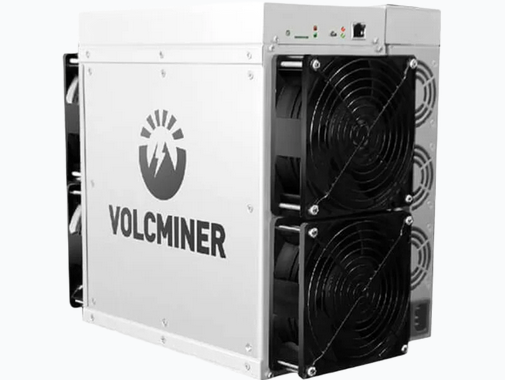
    You’ve heard about the VolcMiner D1, and now it’s time to uncover what real users have to say about this cutting-edge cryptocurrency mining device. From performance insights to reliability assessments, delve into the unfiltered feedback that sheds light on its efficiency, user experience, and overall satisfaction levels. Get ready to discover whether the VolcMiner D1 lives up to its hype in the eyes of those who have put it to the test.

    Performance Insights

    In several tests conducted by users, the VolcMiner D1 consistently delivers impressive performance levels. The device showcases remarkable speed and efficiency, allowing you to complete tasks swiftly and smoothly. Whether you’re gaming, streaming videos, or working on demanding projects, the VolcMiner D1 rises to the occasion with seamless performance.

    Users have reported that the D1’s processing power is truly commendable, handling resource-intensive applications with ease. This means you can multitask without experiencing any lag or slowdown, enhancing your overall productivity and user experience.

    Additionally, the device’s graphics capabilities have been praised for delivering stunning visuals and smooth rendering, making it ideal for both work and entertainment purposes.

    The VolcMiner D1’s performance is further enhanced by its reliable connectivity options and responsive interface. Switching between tasks is a breeze, thanks to its efficient operation and minimal load times. Overall, users have found the D1 to be a powerhouse that consistently delivers top-notch performance in various usage scenarios.

    User Experience Overview

    Users engaging with the VolcMiner D1 consistently find themselves immersed in a seamless and intuitive computing experience. The user interface is designed for simplicity, allowing you to navigate effortlessly through tasks and applications. From setting up the device to executing complex operations, users appreciate the straightforward approach that the VolcMiner D1 offers.

    The ergonomic design of the device ensures that you can work comfortably for extended periods without fatigue. The responsive touchpad and keyboard enhance the overall user experience, enabling swift and accurate inputs. Whether you’re a seasoned professional or a tech-savvy enthusiast, the VolcMiner D1 caters to your needs with precision and finesse.

    Furthermore, the vivid display and crisp audio quality elevate your multimedia consumption, providing an immersive viewing and listening experience. Users commend the seamless integration of hardware and software, resulting in a cohesive and enjoyable computing journey.

    In essence, the VolcMiner D1 prioritizes user satisfaction by delivering a user-friendly and engaging experience.

    Reliability Assessment

    Transitioning from user experience to reliability assessment, your confidence in the VolcMiner D1’s performance is well-founded. Users have reported that the VolcMiner D1 consistently operates without significant downtime or technical issues, showcasing its reliability in cryptocurrency mining operations.

    The sturdy construction of the device instills a sense of trust in its long-term performance, with many users expressing satisfaction with its durability and robustness.

    Moreover, the VolcMiner D1’s efficient cooling system contributes to its reliability by preventing overheating during extended mining sessions. This feature not only ensures stable performance but also prolongs the lifespan of the device, making it a reliable choice for cryptocurrency miners seeking consistent results.

    Efficiency Feedback

    Maximizing your mining efficiency is a top priority for any cryptocurrency miner. When it comes to the VolcMiner D1, users have provided valuable feedback on its efficiency:

    1. Energy Consumption: Users appreciate the VolcMiner D1 for its energy efficiency, allowing them to maximize mining output while keeping electricity costs in check.
    2. Hash Rate Performance: The VolcMiner D1 has been praised for its exceptional hash rate performance, enabling miners to achieve higher mining rewards in less time compared to other mining rigs.
    3. Cooling System: The efficient cooling system of the VolcMiner D1 ensures that the mining rig operates at optimal temperatures, preventing overheating and maintaining consistent performance levels.

    These aspects contribute significantly to the overall efficiency of the VolcMiner D1, making it a preferred choice for cryptocurrency miners looking to maximize their mining output while minimizing operational costs.

    Overall Satisfaction Levels

    A notable indicator of the VolcMiner D1‘s effectiveness lies in the overall satisfaction levels reported by miners who’ve utilized this mining rig. The general sentiment among users is overwhelmingly positive. Miners appreciate the D1’s robust performance, reliable uptime, and ease of use.

    Many users have expressed satisfaction with the stability of the rig, noting that it consistently delivers on its hashing power promises without significant downtime. The straightforward setup process and user-friendly interface have also contributed to high levels of satisfaction. Miners find the VolcMiner D1 to be a dependable and efficient mining solution that meets their expectations.

    Additionally, the responsive customer support provided by VolcMiner has been praised by users, further enhancing their overall satisfaction. Overall, the consensus among miners who’ve utilized the VolcMiner D1 is that it’s a reliable, high-performing mining rig that delivers on its promises, leading to high levels of satisfaction.

    Frequently Asked Questions

    Can the Volcminer D1 Be Used for Mining Purposes Outside of Cryptocurrency?

    Yes, the VolcMiner D1 can be used for mining purposes outside of cryptocurrency. It offers efficient processing power for various data mining tasks, making it a versatile tool for extracting valuable insights from large datasets in different industries.

    What Is the Warranty Coverage for the Volcminer D1?

    You’ll find that the warranty coverage for the VolcMiner D1 is quite comprehensive. It offers protection against manufacturing defects and malfunctions for a specified period. Make sure to review the terms for full details.

    Are There Any Recommended Maintenance Routines for the Volcminer D1?

    To keep your VolcMiner D1 running smoothly, it’s recommended to clean the vents regularly with compressed air, check for dust accumulation, and ensure proper ventilation. Following these maintenance routines can help extend its lifespan.

    Does the Volcminer D1 Have Any Compatibility Issues With Specific Power Sources?

    Yes, the Volcminer D1 may face compatibility issues with certain power sources. Ensure to check the device specifications and use a compatible power source to prevent any potential damage or performance issues.

    Is the Volcminer D1 Designed to Handle Extreme Environmental Conditions?

    Yes, the VolcMiner D1 is built to withstand extreme environmental conditions. Its robust design ensures durability in harsh settings. You can rely on it to perform reliably even in challenging situations without compromising performance.

    Conclusion

    In conclusion, VolcMiner D1 continues to impress users with its exceptional performance, seamless user experience, and reliable operation. The high efficiency, energy-saving features, and top-notch graphics capabilities further enhance user satisfaction. Overall, the positive feedback and widespread praise from users solidify VolcMiner D1 as a preferred choice for cryptocurrency miners.

  • Bridging Finance: How to Secure Short-Term Funding for Your Property Deal

    By AQ January 11, 2025

    Whether you’re looking to buy a new property, renovate an existing one, or take advantage of a time-sensitive investment opportunity, securing the right kind of financing is crucial. While traditional loans can be a long and drawn-out process, bridging finance offers a much quicker and flexible solution. If you're facing a property deal that requires quick funding, bridging finance can be your lifeline.

    In this article, we will dive into what bridging finance is, how it works, and how to secure it for your property deal. Whether you’re a property investor, developer, or homeowner, understanding how to leverage bridging Bridging Finance can give you the financial edge you need to close deals faster and more effectively.

    What Is Bridging Finance?

    Bridging finance, or a bridge loan, is a type of short-term loan used to "bridge" the gap between a financial need and a more permanent, long-term financing solution. It’s typically used in property transactions, especially when there is a time-sensitive need for funding. This might include situations such as:

    • Buying a new property before selling an existing one.
    • Renovating a property quickly before reselling or refinancing.
    • Securing a property at an auction where payments are required in a matter of days or weeks.
    • Closing a deal while waiting for longer-term financing to be approved.

    Bridging finance is designed to be fast and flexible, making it an attractive solution for property professionals who need immediate access to funds. The loan term is usually short, ranging from a few weeks to a year, and is repaid once the long-term financing or property sale is completed.

    How Does Bridging Finance Work?

    Bridging finance is generally secured against the value of a property. The lender provides the loan based on the property’s current market value, or sometimes on its projected value after renovations. Since it is a short-term loan, it’s typically repaid within a specific time frame, such as 12 months, but often much quicker.

    There are two primary types of bridging finance:

    1. Closed Bridging Finance – This type of loan is secured when you already have a clear exit plan, such as the sale of a property or securing long-term financing. The repayment date is set in advance and is guaranteed.
    2. Open Bridging Finance – In contrast, this option is for situations where the exit plan isn’t yet defined or finalized. This provides more flexibility but may come with higher interest rates due to the additional risk taken on by the lender.

    Bridging loans are typically easier and faster to arrange compared to traditional loans. Lenders generally assess the potential of the property securing the loan rather than looking at the borrower’s credit score or financial background, making this type of financing accessible to property investors who need quick solutions.

    Key Benefits of Bridging Finance

    1. Speed and Flexibility

    One of the key advantages of bridging finance is its speed. While traditional loans can take weeks or even months to be approved, bridging loans can often be secured in a matter of days, sometimes even within 24-48 hours. This speed allows investors to act fast on time-sensitive property deals, such as auctions or urgent purchases.

    Additionally, flexibility is another significant benefit. Bridging loans offer terms that can be customized based on the specific needs of the borrower. Whether you need to borrow a small amount or a large sum, for a short period or longer, there’s a high degree of flexibility in tailoring the loan.

    2. Access to High Loan-to-Value (LTV) Ratios

    Bridging finance is often available with high loan-to-value (LTV) ratios, meaning you can borrow a significant percentage of the property’s value. This is particularly useful if you don’t have substantial cash reserves for a down payment or need the loan to cover a larger portion of the property purchase. Lenders can typically offer LTVs up to 75-85% of the property value, depending on the deal and the lender.

    This allows you to leverage your investment and secure more significant deals, which would otherwise be out of reach with traditional financing options.

    3. No Prepayment Penalties

    Another benefit of bridging finance is that many lenders do not charge prepayment penalties. This means that if you’re able to pay off the loan earlier than expected (for example, if you sell the property or secure a long-term mortgage sooner than anticipated), you won’t face a penalty for doing so. This adds another level of flexibility and ensures that you are not tied down to long-term commitments if your circumstances change.

    4. Ideal for Property Renovation

    For property investors or developers, bridging finance is ideal for renovating and refurbishing properties. You can use the funds to make improvements, then refinance or sell the property for a profit. Since traditional loans are typically slow, bridging loans allow for quick access to cash to renovate or repair a property and get it ready for resale or longer-term financing without losing valuable time.

    5. Perfect for Auction Purchases

    When buying property at an auction, time is of the essence. Bidding deadlines and quick closing times leave little room for traditional financing methods, which often require more paperwork and a slower approval process. Bridging finance offers a fast, reliable solution for securing property at auction and covering the cost until a longer-term finance option is arranged.

    How to Secure Bridging Finance for Your Property Deal

    Securing bridging finance is not as complicated as it may seem. Here’s a step-by-step guide to help you navigate the process:

    1. Identify Your Financial Needs

    Before approaching a lender, understand how much funding you need and how long you’ll need the loan for. The more specific your needs are, the easier it will be to secure the right type of bridging loan.

    2. Choose the Right Lender

    There are various lenders offering bridging finance, including banks, private lenders, and specialist bridging finance companies. It’s essential to shop around for the best rates and terms. Consider the lender's reputation, flexibility, and customer service.

    3. Prepare Your Documentation

    Though bridging loans are often more accessible than traditional loans, lenders will still require basic documentation. This typically includes proof of ownership of the property you intend to use as collateral, your credit history (in some cases), and details of your exit strategy (how you plan to repay the loan).

    4. Review the Terms

    Take time to fully understand the terms of the loan before committing. Make sure you’re clear on the interest rate, repayment schedule, and any fees or charges associated with the loan. Some lenders may charge higher interest rates due to the short-term nature of the loan, so make sure the terms align with your property investment plans.

    5. Apply for the Loan

    Once you’ve selected a lender and reviewed the terms, submit your application. If everything goes smoothly, you can secure your bridging loan in a matter of days, allowing you to proceed with your property deal without delay.

    Conclusion

    Bridging finance can be an invaluable tool when you need quick, flexible funding for a property deal. Whether you’re purchasing property at an auction, refurbishing a home for resale, or securing a property before long-term financing comes through, bridging loans provide the speed and flexibility to get your deal done fast.

    By understanding how bridging finance works and how to secure it, you can ensure that you’re always prepared to seize property opportunities as they arise. With the right planning and a clear exit strategy, bridging finance can be the key to unlocking your next property deal and propelling your real estate ventures forward.

  • Choosing the Right Multi-Hole Cable Gland for Your Project

    By AQ January 11, 2025

    When it comes to cable management in industrial, electrical, or telecommunication projects, one component plays an indispensable role: the multi-hole cable gland. Whether you're designing a power distribution system, setting up industrial machinery, or installing complex telecommunications infrastructure, selecting the right multi-hole cable gland is critical to ensuring safety, efficiency, and long-lasting performance.

    But with so many options available, how do you know which one is right for your project? In this article, we’ll dive into the essential factors you should consider when choosing the perfect multi-hole cable gland for your application. From the materials to environmental conditions, understanding these variables will help you make the best decision for your project’s needs.

    What is a Multi-Hole Cable Gland?

    At its core, a multi-hole cable gland is a specialized component used to secure and protect multiple cables entering an enclosure or panel through a single entry point. Unlike traditional cable glands, which are designed for individual cables, multi-hole glands allow several cables to be grouped together and sealed in one fitting. This is particularly useful in situations where multiple cables need to pass through a confined space, such as in electrical panels, machinery, or control systems.

    The main advantage of multi-hole cable glands is their ability to provide a secure, organized, and protected connection for multiple cables. They are designed to accommodate a range of cable sizes, and with the right sealing, they prevent dust, moisture, and other contaminants from entering sensitive equipment.

    Why is Choosing the Right Gland Important?

    Selecting the right multi-hole cable gland isn’t just about securing multi hole cable gland s—it's about ensuring the integrity of your entire system. The right gland will:

    • Ensure Safety: A well-chosen gland prevents harmful elements like water, dust, and chemicals from entering electrical enclosures, which could lead to short circuits, malfunctioning equipment, or even fires.
    • Maintain Cable Integrity: Properly sealed glands prevent damage to cables from abrasion, crushing, or other mechanical stresses that could degrade their performance over time.
    • Improve Efficiency: By organizing and grouping cables in an efficient and neat manner, multi-hole glands make maintenance easier and more efficient. A well-managed cable setup also ensures smooth operation, reducing downtime and improving overall system performance.
    • Save Space: In tight spaces, multi-hole glands can accommodate multiple cables in a single gland, saving you valuable room and reducing the clutter of individual glands.

    Factors to Consider When Choosing a Multi-Hole Cable Gland

    1. Cable Size and Quantity

    The most important factor when choosing a multi-hole cable gland is the size and number of cables that will be passing through the gland. Multi-hole glands come in various sizes and configurations, designed to hold anywhere from just a few cables to dozens.

    When selecting a gland, first determine the diameter of the cables you plan to use, and then look for a gland that has the appropriate number of holes and an internal diameter that can accommodate those cables comfortably. Overcrowding cables can lead to potential damage, so it’s essential to select a gland that provides enough room for each cable.

    2. Material Choice

    The material of the multi-hole cable gland plays a significant role in its durability and suitability for different environments. The most common materials used are:

    • Nylon: A popular choice for indoor applications, nylon glands are lightweight, corrosion-resistant, and cost-effective. They offer excellent insulation and are easy to install.
    • Brass: Brass is known for its strength and resistance to corrosion, making it a solid choice for more demanding environments. It is ideal for industrial applications where there is a risk of high mechanical stress or exposure to harsh chemicals.
    • Stainless Steel: For applications that involve extremely harsh conditions, such as offshore or marine environments, stainless steel glands provide the highest resistance to corrosion and offer long-lasting durability.
    • Aluminum: For environments with high-temperature fluctuations or a need for lightweight but sturdy materials, aluminum glands are often a preferred option.

    When deciding on material, consider the environment in which the gland will be used, including exposure to chemicals, moisture, UV light, and extreme temperatures.

    3. Ingress Protection (IP) Rating

    An essential consideration for any cable gland is its Ingress Protection (IP) rating, which tells you how well the gland can protect against dust, dirt, and water ingress. The IP rating is typically represented by two numbers. The first number refers to dust protection (with higher numbers indicating better protection), and the second number indicates water resistance.

    For example, an IP68 rating means the gland is completely dust-tight and can withstand continuous immersion in water. For outdoor applications or areas where exposure to moisture is likely, it’s best to choose a gland with a high IP rating to ensure the safety and longevity of your cables.

    4. Sealing Mechanism

    Seals are an essential part of multi-hole glands, as they prevent water, dust, and debris from entering electrical enclosures. The sealing system ensures that the gland remains tight even if there is movement or vibration in the system. When selecting a gland, consider the type of seal used:

    • Rubber Seals: These are flexible, reliable, and commonly used in a variety of environments. They create a tight seal around the cable, preventing external contaminants from entering the enclosure.
    • EPDM (Ethylene Propylene Diene Monomer): EPDM seals are resistant to UV rays, ozone, and extreme temperatures. These seals are often used in outdoor or automotive applications.
    • Neoprene Seals: Neoprene is a durable material with excellent resistance to heat, chemicals, and weathering, making it suitable for industrial and marine environments.

    The quality and type of seal in the multi-hole gland are key to ensuring its protection against environmental factors. Check the material specifications to make sure the seal fits the conditions in which the gland will be used.

    5. Environment and Installation Conditions

    You also need to consider where and how the gland will be installed. For instance, will the gland be used indoors or outdoors? Is it exposed to chemicals, extreme temperatures, or pressure? Will it be subjected to frequent vibrations or mechanical stress?

    For outdoor or industrial environments, look for glands made of corrosion-resistant materials like brass or stainless steel. If the installation site is subject to vibration, choose a gland with a robust sealing system that will maintain its integrity even when the equipment moves or shifts.

    Additionally, the installation method should be taken into account. Multi-hole glands come in both screw-on and snap-on designs, so depending on the ease of installation required, you can choose one that suits your project best.

    6. Compliance and Certifications

    Depending on the industry, your project may require specific certifications to meet safety and regulatory standards. Many multi-hole glands are designed to meet global standards such as ATEX (for hazardous areas), UL (Underwriters Laboratories), and CE marking. Be sure to check that the gland you choose meets the necessary certifications for your application.

    Conclusion

    Selecting the right multi-hole cable gland for your project is more than just a matter of securing cables—it’s about ensuring the safety, longevity, and efficiency of your electrical or industrial system. By considering factors such as cable size, material, IP rating, sealing mechanisms, environmental conditions, and compliance requirements, you can choose a gland that perfectly suits your project’s needs.

    Taking the time to evaluate your options and select the right multi-hole cable gland will help streamline your installation process, protect your equipment, and ensure that your cables remain secure and functional for years to come. So, whether you're setting up a power distribution system, installing machinery, or working on a telecommunications project, remember: the right cable gland can make all the difference.