
Automotive

  • Trading In a Financed Car What You Need to Know

    By AQ November 2, 2024

    When you’re considering trading in a financed car, it’s essential to grasp a few key factors that could impact your next steps. You’ll want to assess your loan balance and the vehicle’s current market value before making any decisions. Understanding your equity—whether positive or negative—can determine if you’re in a better position for your next purchase. But there’s more to the trade-in process than just numbers; knowing how to navigate dealer offers and paperwork is equally crucial. What pitfalls should you avoid to ensure a smooth transition?

    Understanding Your Loan Balance

    When you decide to trade in a financed car, understanding your loan balance is crucial. Your loan balance represents the amount you still owe to the lender, and it directly impacts how much equity you have in your vehicle. To find this figure, check your latest statement or contact your lender. You’ll need this information to make informed decisions during the trade-in process.

    Once you know your loan balance, compare it to your car’s current market value. If your car’s worth more than the loan balance, you have positive equity, which can be applied toward your next vehicle purchase.

    However, if the loan balance exceeds your car’s value, you’ll face negative equity, meaning you’ll owe more than the car is worth. This situation can complicate your trade-in, as you’ll need to pay off the difference before proceeding.

    It’s also essential to consider any fees or penalties associated with your loan. Early repayment might incur additional charges, so check your loan terms.

    Understanding your loan balance ensures you’re prepared for the financial implications of trading in your financed car, helping you make the best choice for your next vehicle.

    Assessing Your Car’s Value

    To maximize your trade-in value, start by assessing your car’s worth in the current market. Knowing your car’s value helps you make informed decisions and negotiate better. Begin by researching the market using online valuation tools like Kelley Blue Book or Edmunds. These platforms give you an estimate based on your car’s make, model, year, mileage, and condition.

    Here’s a quick reference table to help you understand factors that impact your car’s value:

    Factor Impact on Value
    Make & Model High demand can raise value
    Year Newer models typically worth more
    Mileage Lower mileage increases value
    Condition Clean and well-maintained cars fare better
    Local Market Trends Regional demand can fluctuate values

    After assessing these factors, you’ll have a clearer idea of your car’s market value. Use this information when negotiating with dealerships to ensure you get the best possible trade-in offer. Being prepared can significantly enhance your trade-in experience and financial outcome.

    Calculating Potential Equity

    Understanding your potential equity in a financed car is crucial for making smart financial decisions during a trade-in. To calculate your equity, start by determining your car’s current market value, which you can find through online valuation tools or by consulting with local dealerships.

    Next, you’ll need to know how much you still owe on your auto loan. Check your loan statement for the remaining balance. Once you have both numbers, subtract your outstanding loan balance from the market value of your car.

    For example, if your car is worth $15,000 and you owe $10,000, your potential equity would be $5,000. This equity can then be applied toward the purchase of your next vehicle.

    Keep in mind that negative equity is also a possibility. If your car’s value is less than your loan balance, you’ll need to address this before trading in.

    Understanding your equity helps you negotiate better deals and avoid financial pitfalls. By calculating potential equity accurately, you’re setting yourself up for a smoother trade-in experience and making informed choices about your next vehicle purchase.

    The Trade-In Process Explained

    After calculating your potential equity, it’s important to grasp the trade-in process itself. First, you’ll want to gather all necessary documents, including your vehicle title, registration, and any loan payoff information. This prepares you for negotiations and shows you’re serious.

    Next, visit multiple dealerships to get trade-in appraisals. Each dealer may offer different values based on their assessment, so it’s wise to compare these offers. During the appraisal, be honest about your car’s condition—mentioning any repairs or maintenance can work in your favor.

    Once you receive trade-in offers, you’ll negotiate the final value. This is where your research on the car’s market value comes in handy. If you establish a clear understanding of what your car is worth, you’ll be better equipped to negotiate.

    After agreeing on a value, the dealer will typically handle the paperwork related to your loan payoff. They’ll pay off the remaining balance directly to your lender, which simplifies the process for you.

    Tips for a Successful Trade-In

    Preparation is key to a successful trade-in, and a little effort can lead to a better deal. Start by researching your car’s current market value. Use online tools like Kelley Blue Book or Edmunds to get a solid estimate. Knowing this number gives you leverage during negotiations.

    Next, gather all necessary documents, including the title, registration, and service records. Having these on hand shows you’re organized and serious about the trade-in.

    Clean your car inside Maximizing Social Security Benefits out; a well-maintained vehicle makes a strong impression.

    Consider timing your trade-in wisely. Dealerships often have quotas to meet at the end of the month or year. Trading in during these periods can lead to better offers.

    Also, don’t hesitate to shop around. Visit multiple dealerships to compare offers; this can help you negotiate a higher value.

    Conclusion

    Trading in a financed car can be a smart move if you understand your loan balance and the vehicle’s value. By knowing your equity, you can make informed decisions and potentially save money on your next purchase. Remember to gather your documents and compare offers from different dealerships to get the best deal. With the right preparation, you can navigate the trade-in process smoothly and step into your next vehicle with confidence.

  • DIY Pressure Cleaning Essential Tools and Safety Tips

    By AQ November 2, 2024

    When you tackle DIY pressure cleaning, having the right tools is crucial for achieving the best results without damaging surfaces. You’ll need a reliable pressure washer, along with a few essential accessories like nozzle attachments and an extension wand. However, while gathering these tools, don’t overlook the importance of safety. It’s vital to wear protective gear and inspect your equipment before starting. But what specific safety measures should you take to ensure a smooth cleaning process, and how can choosing the right equipment make all the difference?

    Essential Pressure Cleaning Tools

    When diving into the world of DIY pressure cleaning, having the right tools at your fingertips makes all the difference. First, you’ll need a quality pressure washer, but that’s just the beginning. A sturdy extension wand allows you to reach high or difficult areas without straining your back.

    Don’t forget to grab a variety of nozzles; each one adjusts the spray pattern and pressure, making it easier to tackle different surfaces. Protective gear is crucial, too. Invest in goggles and gloves to shield yourself from debris and harmful chemicals. A good pair of non-slip shoes will keep you steady on wet surfaces.

    Additionally, a surface cleaner attachment can save you time and provide a consistent clean on large, flat areas like driveways and patios. A detergent injector is another handy tool, allowing you to apply cleaning solutions effectively.

    Lastly, a reliable hose reel keeps your workspace organized and prevents tripping hazards. By gathering these essential tools, you’ll set yourself up for a successful Pressure Cleaning project, ensuring you achieve satisfying results while maintaining safety and efficiency.

    Choosing the Right Pressure Washer

    Selecting the right pressure washer can feel overwhelming, but it doesn’t have to be. Start by considering the type of projects you’ll tackle. For light tasks like washing cars or patio furniture, an electric pressure washer with around 1,300 to 1,800 PSI (pounds per square inch) will suffice.

    If you’re dealing with tougher jobs, like cleaning driveways or decks, look for a gas pressure washer with at least 2,500 PSI.

    Next, think about the flow rate, measured in GPM (gallons per minute). A higher GPM means you’ll finish your tasks faster.

    Consider your storage space and mobility needs, too. Electric models are generally lighter and easier to maneuver, while gas models offer more power but are bulkier.

    Don’t forget to check the nozzle options; adjustable nozzles provide versatility for different cleaning tasks.

    Lastly, read reviews and compare brands to find a reliable unit that suits your budget.

    Additional Accessories for Efficiency

    To maximize your pressure cleaning efficiency, consider investing in a few essential accessories that can enhance your experience. One of the most useful additions is a surface cleaner attachment. This tool allows you to clean large flat surfaces like driveways and patios quickly, providing even coverage without streaks.

    Next, think about getting various nozzle tips. Having a range of pressure settings lets you adjust the spray according to the task at hand, whether it’s gentle cleaning for delicate surfaces or heavy-duty blasting for stubborn grime. A turbo nozzle can also save you time by increasing the pressure and cleaning power in a concentrated area.

    Don’t overlook the importance of extension wands, either. These can help you reach high or hard-to-access places without the need for a ladder, making your cleaning process safer and more efficient.

    Lastly, invest in a quality detergent or soap that’s compatible with your pressure washer. Using the right cleaning solution can significantly improve the effectiveness of your pressure cleaning, ensuring you get the best results with minimal effort.

    With these accessories, you’ll transform your pressure cleaning routine into a more efficient and enjoyable task.

    Important Safety Precautions

    Pressure cleaning can be an effective way to spruce up your outdoor spaces, but it’s crucial to prioritize safety throughout the process.

    First, always wear appropriate protective gear. This includes safety goggles to shield your eyes from debris, gloves to protect your hands, and sturdy footwear to keep your feet safe from slipping.

    Before you start, inspect your pressure washer for any leaks or damage. Make sure all connections are secure, and avoid using the machine if it’s malfunctioning.

    When you’re ready to go, never point the nozzle at yourself or anyone else; the high-pressure water can cause serious injuries.

    Additionally, be mindful of your surroundings. Move any obstacles that could trip you, and keep children and pets at a safe distance.

    If you’re working on a ladder, ensure it’s stable and that you maintain three points of contact at all times.

    Lastly, be cautious with electrical components. If your pressure washer is electric, avoid using it in wet conditions, and ensure all cords are in good condition.

    Step-by-Step Cleaning Process

    After ensuring your safety precautions are in place, it’s time to tackle the cleaning process. Start by gathering your tools: the pressure washer, appropriate nozzle attachments, and cleaning solutions. Begin with a test spray on a small area to gauge the pressure and adjust accordingly.

    Next, prepare the surface. Remove any furniture or obstacles, and sweep away loose dirt and debris. If you’re cleaning a delicate surface, like wood, use a low-pressure setting to prevent damage. For tougher stains, apply a suitable cleaning solution, letting it sit for a few minutes to penetrate.

    Now, it’s time to pressure wash. Hold the nozzle at a 45-degree angle, keeping it about 2 feet from the surface. Move in smooth, even strokes, overlapping each pass slightly. Rinse the area thoroughly to remove any residue.

    Finally, allow the surface to dry completely before replacing furniture. Here’s a quick reference table for your cleaning process:

    Step Action
    1. Preparation Gather tools and clear area
    2. Apply Solution Let it sit for a few minutes
    3. Pressure Wash Use smooth, even strokes

    Following these steps will ensure effective and efficient cleaning.

    Conclusion

    In conclusion, DIY pressure cleaning can be a rewarding project when you have the right tools and prioritize safety. By choosing a quality pressure washer and using the necessary accessories, you’ll achieve effective results. Always remember to wear protective gear and maintain a safe distance from others. Following the outlined steps ensures you tackle your cleaning tasks efficiently and safely. Now, grab your gear and get ready to make your surfaces shine!

  • Unleashing Innovation: Explore Yoocas Electric’s High-Quality Power Supplies and Custom Solutions

    By AQ October 30, 2024

    Introduction to Yoocas Electric

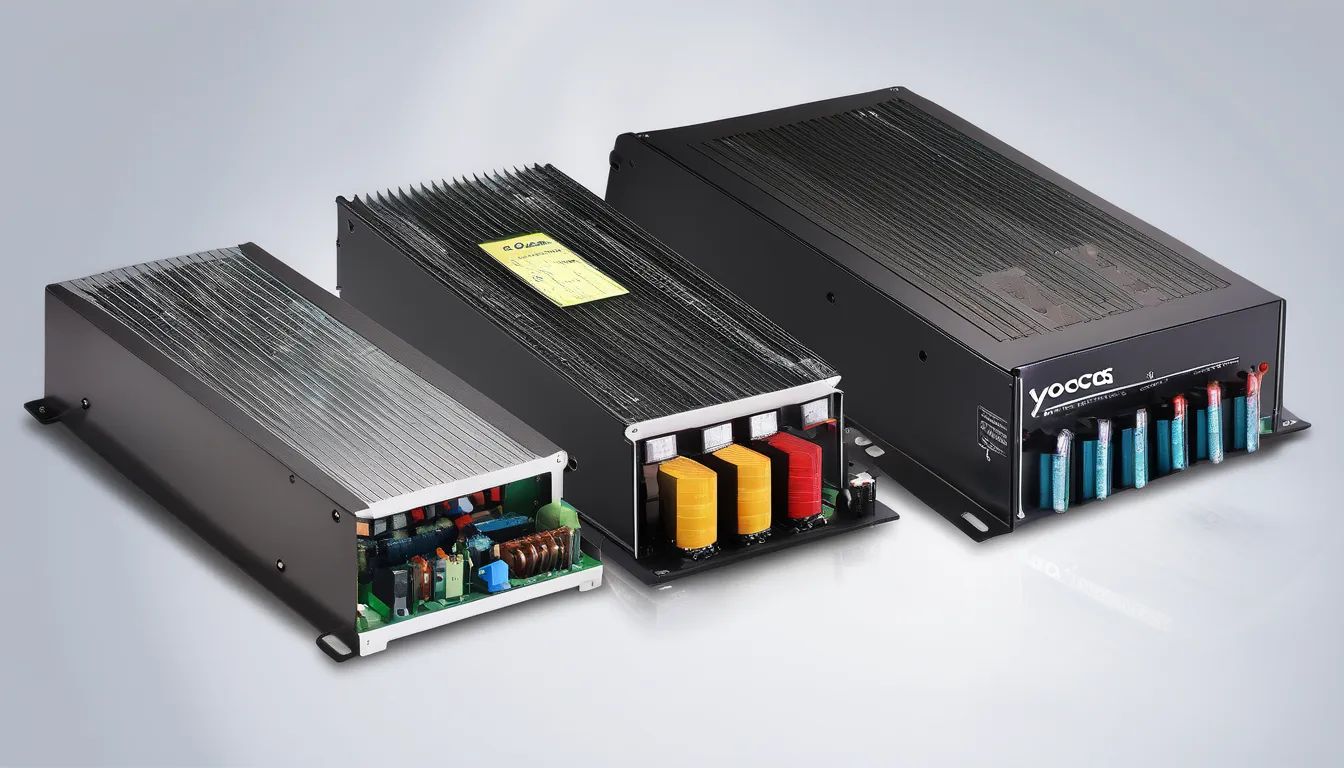
    In today’s rapidly evolving technological landscape, the demand for reliable and innovative power solutions has never been greater. Yoocas Electric stands out as a leader in this field, offering high-quality power supplies and customized solutions designed to meet diverse industry needs. With a commitment to excellence and sustainability, Yoocas Electric is reshaping how businesses think about power.

    High-Quality Power Supplies

    At the heart of Yoocas Electric’s offerings is a range of high-quality power supplies. These products are engineered with precision and are known for their reliability and efficiency. Yoocas Electric ensures that each power supply adheres to stringent quality standards, making them suitable for various applications—from consumer electronics to industrial machinery.

    Features of Yoocas Power Supplies

    1. Efficiency: Yoocas Electric’s power supplies are designed to minimize energy loss. This not only helps in reducing operational costs but also supports environmental sustainability by lowering carbon footprints.

    2. Durability: Built to withstand harsh conditions, Yoocas power supplies are robust and reliable, ensuring consistent performance in demanding environments.

    3. Versatility: Available in a range of specifications, Yoocas offers power supplies that cater to different voltage and current requirements, making them ideal for numerous applications across industries.

    Custom Solutions Tailored to Your Needs

    Understanding that every business has unique requirements, Yoocas Electric provides customized power solutions. Their team of experts collaborates closely with clients to develop tailor-made systems that align with specific operational needs. This customer-centric approach ensures optimal performance and satisfaction.

    The Customization Process

    1. Consultation: The process begins with a detailed consultation, where Yoocas Electric’s specialists analyze the client's power requirements, existing systems, and future goals.

    2. Design: Based on the insights gained during consultation, the team designs a bespoke power solution. This may include adjustments to voltage, current, and even physical dimensions to ensure seamless integration.

    3. Prototype Testing: Before full-scale production, https://yoocas-electric.com/ Electric creates prototypes to test functionality and efficiency. This step is crucial in ensuring that the final product meets all specified criteria.

    4. Implementation and Support: Once the custom solution is finalized, Yoocas Electric assists with the implementation process, providing ongoing support and maintenance to ensure long-term satisfaction.

    Commitment to Innovation and Sustainability

    Yoocas Electric’s dedication to innovation is evident in their continuous investment in research and development. By exploring the latest technologies and trends, they aim to introduce cutting-edge solutions that not only enhance performance but also prioritize sustainability.

    Sustainable Practices

    Yoocas Electric is committed to minimizing environmental impact. Their power supplies are designed with energy efficiency in mind, and the company follows eco-friendly manufacturing practices. This approach aligns with global efforts to promote sustainability in technology.

    Conclusion

    As industries evolve and the demand for reliable power solutions grows, Yoocas Electric is at the forefront, providing high-quality power supplies and custom solutions that cater to the unique needs of businesses worldwide. With a focus on innovation, efficiency, and sustainability, Yoocas Electric is not just a supplier but a partner in powering the future. Explore their offerings today and discover how they can help your business thrive in an increasingly electrified world.

  • Top Gearbox Manufacturers Who Leads the Industry 

    By AQ October 28, 2024

    When you think about gearbox manufacturers, a few names likely come to mind, but who truly stands out in this competitive landscape? Companies like Siemens and Bosch have made significant strides in blending innovation with efficiency, while Parker Hannifin and Eaton cater to specific industry needs. Each player brings unique strengths to the table, shaping the future of gearbox technology. However, as market demands evolve, the question arises: which manufacturer will adapt best to the challenges ahead? Exploring these dynamics could reveal unexpected insights into the industry’s trajectory.

    Overview of Gearbox Technology

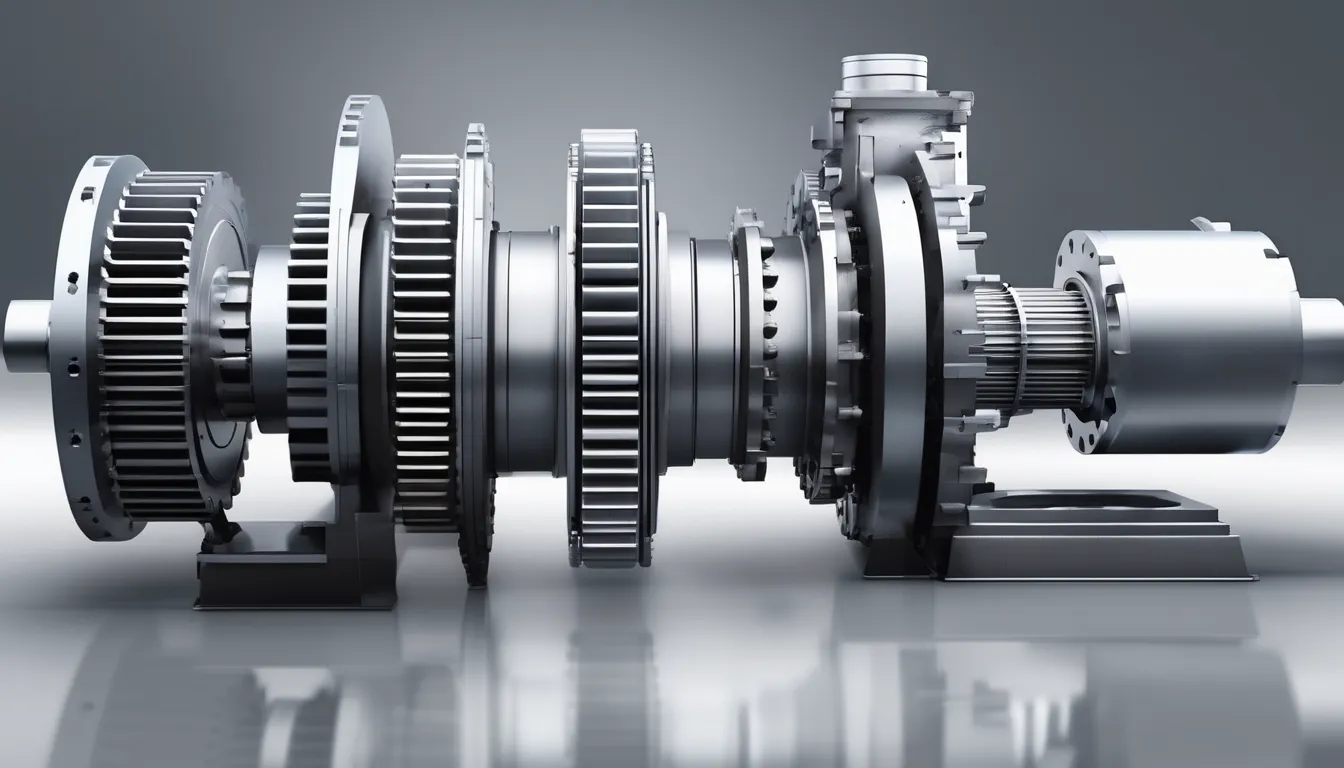
    Gearbox technology plays a crucial role in the efficiency and performance of various machinery and vehicles. It’s the heart of how power gets transmitted from the engine to the wheels, allowing you to control speed and torque effectively. When you shift gears, you’re optimizing the engine’s output, making your machine or vehicle run smoother and more efficiently.

    Understanding gearbox types is essential. You’ll encounter manual, automatic, and continuously variable transmissions (CVTs), each offering distinct advantages. Manual gearboxes give you direct control, while automatics simplify driving, especially in heavy traffic. CVTs, on the other hand, provide seamless acceleration without noticeable gear shifts, enhancing fuel efficiency.

    The materials and design of a gearbox also matter. High-quality gears made from durable materials can withstand significant stress, improving longevity and performance. Regular maintenance is key, too; keeping an eye on fluid levels and changing it as needed can prevent wear and tear.

    In short, grasping gearbox technology is vital for anyone involved with machinery or vehicles. By knowing how industrial gearbox manufacturer es work, you can make better choices, whether you’re purchasing equipment or simply maintaining what you own.

    Leading Gearbox Manufacturers

    When it comes to selecting the right gearbox for your machinery or vehicle, knowing the leading manufacturers can significantly influence your decision. Several companies stand out in the gearbox industry, offering a mix of reliability, innovation, and performance.

    One key player is Siemens, known for its advanced engineering and high-quality products that cater to various sectors, including automotive and industrial applications.

    Another notable name is Bosch, which combines technology and efficiency, making their gearboxes a popular choice among manufacturers.

    You can’t overlook Parker Hannifin, either. They specialize in motion and control technologies, providing gearboxes that excel in durability and precision.

    For those seeking heavy-duty options, look at Eaton, which offers robust solutions designed for tough environments.

    Lastly, consider SEW-Eurodrive, a global leader in drive technology, offering a range of gearboxes tailored for different applications.

    Key Innovations in Gearbox Design

    As technology advances, the gearbox design landscape is evolving rapidly, incorporating innovations that enhance efficiency and performance. You’ll find that manufacturers are embracing new materials and methods that significantly improve the durability and weight of gearboxes.

    Advanced simulations and modeling techniques are also revolutionizing the design process, enabling you to achieve optimal configurations faster.

    Here are some key innovations to consider:

    • Additive Manufacturing: This allows for complex geometries that traditional methods can’t achieve, leading to lighter and more efficient designs.
    • Smart Gearbox Systems: Integration of IoT technology enables real-time monitoring and data analytics, improving predictive maintenance and overall performance.
    • Hydraulic Gear Systems: These offer enhanced power density compared to traditional mechanical systems, making them suitable for compact applications.
    • Modular Design: This approach simplifies maintenance and upgrades, allowing for easier customization based on specific application needs.

    Market Trends and Challenges

    In recent years, the gearbox manufacturing industry has seen a shift driven by a mix of rising demand and evolving technological standards. You might notice that industries like automotive, aerospace, and renewable energy are pushing for more efficient and compact gearbox solutions. This demand creates a need for manufacturers to innovate constantly, keeping pace with advancements in materials and design.

    However, challenges abound. You’ll find that supply chain disruptions, exacerbated by global events, have impacted production timelines and costs. Many manufacturers struggle to source high-quality raw materials, which can delay projects and affect competitiveness.

    Additionally, as regulations around emissions tighten, you may see companies facing pressure to produce gearboxes that not only perform well but also meet stringent environmental standards.

    Moreover, the shift towards automation and smart technology means investing in new equipment and training. This transition can be costly and time-consuming.

    Ultimately, while the market offers exciting opportunities, it’s essential to navigate these trends and challenges effectively to remain competitive in this dynamic landscape.

    Future of Gearbox Manufacturing

    Looking ahead, the future of gearbox manufacturing is poised for significant transformation, driven by advancements in technology and shifting industry demands.

    You’ll likely notice that innovation plays a key role in creating more efficient, reliable, and compact gearboxes. As automation and digitalization take center stage, manufacturers are increasingly investing in smart technologies to enhance production processes.

    You can expect to see:

    • Increased use of AI: Machine learning algorithms will optimize design and production, reducing errors and improving quality.
    • Sustainable practices: Eco-friendly materials and energy-efficient processes are becoming standard as industries focus on reducing their carbon footprint.
    • 3D printing technology: This will revolutionize how gearboxes are produced, allowing for rapid prototyping and customization.
    • Integration with IoT: Smart gearboxes that monitor performance in real-time will lead to predictive maintenance, minimizing downtime.

    Conclusion

    In conclusion, the gearbox manufacturing industry is shaped by innovative leaders like Siemens, Bosch, and Parker Hannifin, each pushing the boundaries of technology and durability. As you explore gearboxes, keep an eye on emerging trends and challenges that could influence future designs. The landscape is evolving, and staying informed will help you appreciate the advancements and choices available. Whether for automotive or industrial needs, understanding these key players and innovations can guide your decisions in this dynamic market.

  • Top Gearbox Manufacturers Innovating Industrial Solutions

    By AQ October 27, 2024

    When you think about the critical role gearboxes play in industrial machinery, it’s clear that top manufacturers like Siemens, Nord Drivesystems, and Bonfiglioli are not just keeping pace but are pushing boundaries. These companies are integrating cutting-edge technologies and sustainable practices to create adaptable gearboxes that boost efficiency and performance. You might wonder how these innovations are shaping the future of industrial solutions and what impact they have on sustainability. The answers might surprise you as we explore the evolving landscape of gearbox technology and its implications for various sectors.

    Overview of Gearbox Technology

    In the world of machinery, understanding gearbox technology is crucial for optimizing performance and efficiency. Gearboxes play a vital role in transmitting power and controlling speed within various mechanical systems. By converting the motor’s output speed to a more suitable level for your application, gearboxes enable machines to operate effectively.

    When you dive into gearbox technology, you’ll find several types, including helical, bevel, and worm gearboxes. Each type has its advantages depending on the application. For instance, helical gearboxes offer smooth operation and high efficiency, while worm gearboxes provide excellent torque multiplication and compact design.

    You should also consider gear ratios, as they directly influence the output speed and torque. By selecting the right gear ratio, you can achieve optimal performance tailored to your specific needs.

    Understanding lubrication and maintenance is equally essential. Proper lubrication ensures longevity and efficiency, while regular maintenance minimizes wear and tear.

    Leading Global Manufacturers

    Several leading global manufacturers dominate the gearbox industry, each known for their innovative designs and high-quality products.

    You’ll find that these companies have established a reputation for reliability and performance, making them key players in various sectors, from automotive to industrial applications.

    • Siemens: With advanced engineering capabilities, Siemens offers a wide range of gearboxes tailored to meet specific industry needs. Their focus on efficiency and sustainability sets them apart.
    • Nord Drivesystems: This manufacturer specializes in drive technology, providing robust and adaptable gearbox solutions that cater to diverse applications, ensuring optimal performance under various conditions.
    • Bonfiglioli: Known for their extensive product line, Bonfiglioli excels in creating efficient industrial gearbox manufacturer es that are both compact and powerful, making them a popular choice in automation and renewable energy sectors.

    When you choose gearboxes from these manufacturers, you’re investing in quality and innovation.

    They continually push the boundaries of technology, ensuring that their products meet the ever-evolving demands of the market.

    Innovative Solutions and Features

    Gearbox manufacturers are constantly pushing the envelope with innovative solutions and features that enhance performance and efficiency. You’ll find that many manufacturers are integrating smart technology into their gearboxes, allowing for real-time monitoring and diagnostics. This means you can proactively address issues before they escalate, reducing downtime and maintenance costs.

    Another exciting development is the use of advanced materials, which improve the strength and durability of gearboxes while minimizing weight. This innovation not only extends the lifespan of the gearbox but also helps in energy savings, making operations more cost-effective.

    Additionally, many manufacturers are focusing on modular designs, enabling you to customize features according to your specific needs. This flexibility allows for easier upgrades and repairs, ensuring that your gearboxes can adapt to changing operational demands.

    You’re also likely to see enhanced gear profiles that reduce friction and noise, further boosting efficiency.

    With these innovative solutions and features, you can optimize your machinery’s performance and achieve a competitive edge in your industry. Overall, the advancements in gearbox technology are paving the way for more reliable, efficient, and tailored industrial solutions.

    Sustainable Manufacturing Practices

    Sustainable manufacturing practices are becoming essential for gearbox manufacturers looking to minimize their environmental impact.

    By adopting these practices, you not only contribute to a healthier planet but also enhance your brand’s reputation and operational efficiency.

    It’s all about making smarter choices that can lead to long-term benefits.

    Here are three key strategies you can implement:

    • Energy Efficiency: Invest in energy-efficient machinery and optimize production processes to reduce energy consumption. This not only lowers your carbon footprint but also cuts down on operational costs.
    • Material Sourcing: Use recycled or sustainably sourced materials in your manufacturing processes. This reduces waste and conserves natural resources, helping to create a more circular economy.
    • Waste Reduction: Implement waste management strategies like reusing scrap materials or utilizing by-products in other applications. This minimizes landfill contributions and promotes sustainability throughout your supply chain.

    Future Trends in Gearboxes

    As the industry evolves, you’ll notice significant advancements shaping the future of gearboxes. These innovations focus on efficiency, connectivity, and sustainability. You’ll find designs becoming increasingly compact, allowing for integration in tight spaces without sacrificing performance.

    Emerging technologies like IoT and AI are transforming how gearboxes operate and are maintained. Predictive maintenance ensures optimal performance while reducing downtime. Additionally, manufacturers are exploring lightweight materials, enhancing efficiency while minimizing energy consumption.

    Here’s a snapshot of these trends:

    Trend Description Impact on Industry
    Smart Gearboxes Integration with IoT for real-time data Improved maintenance and efficiency
    Advanced Materials Use of composites and alloys Reduced weight and enhanced lifespan
    Sustainability Focus Eco-friendly production methods Lower environmental impact

    Incorporating these innovations, you’ll experience gearboxes that not only perform better but also align with the growing demand for sustainability. The future looks bright, and staying informed about these trends will help you make better decisions for your projects.

    Conclusion

    In conclusion, top gearbox manufacturers like Siemens, Nord Drivesystems, and Bonfiglioli are redefining industrial solutions with their innovative technologies and sustainable practices. By focusing on efficiency and adaptability, they not only enhance machinery performance but also address the growing demand for eco-friendly operations. As these companies continue to evolve, you can expect even more advancements that will shape the future of gearbox technology, ensuring reliability and competitiveness in various sectors.