• AI in Emergency Health Services

    By AQ August 31, 2024

    Artificial Intelligence (AI) is increasingly transforming various sectors of healthcare, and its impact on emergency health services is particularly profound. Emergency health services are critical in providing timely and effective care during crises, and the integration of AI technologies is enhancing these services in numerous ways. From improving response times to optimizing resource allocation and assisting in diagnosis, AI is revolutionizing how emergency health services operate. This article explores the role of AI in emergency health services, highlighting its benefits, applications, and the challenges associated with its implementation.

    Improving Response Times

    One of the most significant benefits of AI in emergency health services is the improvement of response times. In emergency situations, every second counts, and swift action can make the difference between life and death. AI technologies are being used to enhance the efficiency and speed of emergency response systems. For instance, AI algorithms can analyze data from emergency calls and other sources to prioritize and dispatch emergency services more effectively.

    AI-powered systems can assess the severity of an emergency based on the information provided in calls or messages and direct resources accordingly. These systems can also predict which type of emergency response—such as ambulance, fire, or police—will be required, based on historical data and real-time information. By optimizing the dispatch process and reducing response times, AI helps ensure that emergency services reach those in need as quickly as possible, ultimately improving patient outcomes and saving lives.

    Optimizing Resource Allocation

    Effective resource allocation is crucial in emergency health services, where resources such as ambulances, medical personnel, and hospital beds are often limited. AI technologies can analyze data to optimize the allocation of these resources based on current demand and predicted needs. For example, AI systems can track the availability and location of ambulances and direct them to areas with the highest need, ensuring that resources are utilized efficiently.

    Additionally, AI can predict and manage peak times for emergency services by analyzing patterns and trends in emergency calls and hospital admissions. This predictive capability allows for better planning and preparedness, helping to prevent resource shortages during high-demand periods. By optimizing resource allocation, AI enhances the overall efficiency of emergency health services and ensures that resources are used where they are most needed.

    Enhancing Diagnosis and Treatment

    AI is also playing a crucial role in enhancing diagnosis and treatment in emergency health services. Rapid and accurate diagnosis is essential in emergencies, where timely intervention can significantly impact patient outcomes. AI-powered diagnostic tools can analyze medical images, lab results, and patient data to assist in making quick and accurate diagnoses.

    For instance, AI algorithms can analyze imaging data, such as X-rays or CT scans, to identify critical conditions like strokes, fractures, or internal bleeding. These algorithms can provide real-time insights and highlight areas of concern, aiding healthcare professionals in making swift decisions. Additionally, AI can analyze patient data and medical histories to suggest appropriate treatment options and protocols. By supporting clinicians with advanced diagnostic tools and decision-making aids, AI improves the quality of care delivered in emergency situations.

    Supporting Telemedicine and Remote Consultations

    Telemedicine and remote consultations have become increasingly important in emergency health services, especially in areas with limited access to specialized care. AI technologies are enhancing these services by enabling remote diagnosis, monitoring, and consultation. For example, AI-powered platforms can facilitate virtual consultations between emergency responders and specialists, allowing for expert guidance and support in real-time.

    AI systems can also analyze data from remote monitoring devices to provide insights into a patient’s condition and progress. This capability is particularly valuable in emergencies where immediate access to specialist care is not available. By supporting telemedicine and remote consultations, AI helps ensure that patients receive timely and appropriate care, even in remote or underserved areas.

    Challenges and Ethical Considerations

    While the benefits of AI in emergency health services are substantial, several challenges and ethical considerations need to be addressed. Data privacy and security are major concerns, as AI systems rely on sensitive patient information and real-time data. Ensuring that this data is protected and used in compliance with privacy regulations is crucial for maintaining trust in AI technologies.

    Moreover, the integration of AI into emergency health services requires careful consideration of potential biases and limitations. AI algorithms trained on limited or non-representative data may produce inaccurate or unfair results. It is essential to ensure that AI systems are developed and validated with diverse datasets to minimize bias and ensure equitable outcomes.

    Another challenge is the need for proper training and integration of AI technologies into existing emergency response workflows. Healthcare professionals and emergency responders must be trained to effectively use AI tools and interpret their results. Collaboration between AI developers and emergency service providers is necessary to ensure that AI systems are user-friendly, reliable, and aligned with clinical needs.

    Future Directions and Innovations

    The future of AI in emergency health services holds significant promise, with ongoing advancements likely to further enhance its impact. Innovations in AI technology, such as more sophisticated machine learning algorithms and improved data integration, will continue to refine the capabilities of AI systems in emergency response. Additionally, the integration of AI with other emerging technologies, such as drones and robotics, could lead to even more innovative solutions for emergency health services.

    As AI continues to evolve, it will be essential to address the challenges and ethical considerations associated with its use. Ongoing research, regulation, and collaboration will be crucial in ensuring that AI technologies are developed and implemented in ways that prioritize patient safety and well-being.

    Conclusion

    AI is playing a transformative role in emergency health services by improving response times, optimizing resource allocation, enhancing diagnosis and treatment, and supporting telemedicine and remote consultations. While there are challenges and ethical considerations to address, the benefits of AI in emergency health services are substantial. By leveraging AI technologies and addressing potential limitations, the field of emergency health services can advance towards more effective, efficient, and responsive solutions, ultimately improving patient outcomes and enhancing the overall quality of care in critical situations.

  • How AI Enhances Public Health Surveillance

    By AQ August 31, 2024

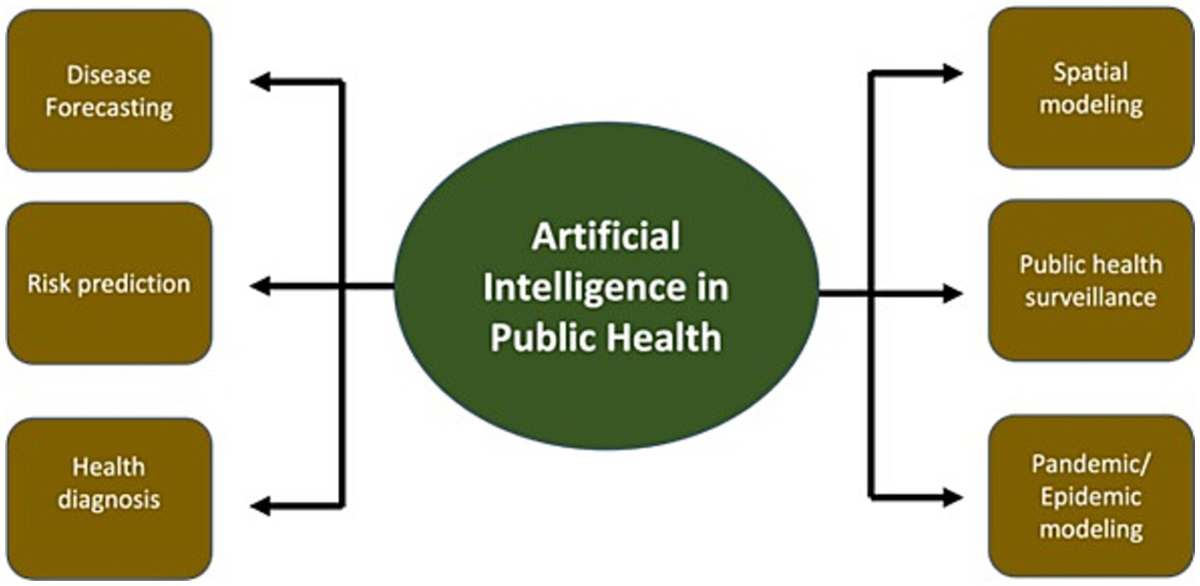
    Public health surveillance is a critical function of healthcare systems worldwide, aimed at monitoring and improving community health through the collection, analysis, and interpretation of health data. As global health challenges evolve, so too must the tools used to address them. Artificial Intelligence (AI) has emerged as a transformative force in public health surveillance, offering advanced capabilities for data analysis, trend prediction, and early detection of health threats. The integration of AI into public health systems is revolutionizing how health data is utilized, leading to more proactive and effective responses to emerging health issues.

    Improving Data Collection and Integration

    AI enhances public health surveillance by improving the efficiency and accuracy of data collection and integration. Traditionally, public health data is gathered from various sources, including hospitals, clinics, and laboratories, and then aggregated into centralized databases. This process can be time-consuming and prone to errors, particularly when dealing with large volumes of data.

    AI-driven systems can automate the collection and integration of data from diverse sources, including electronic health records (EHRs), social media, and mobile health apps. Machine learning algorithms can process and synthesize information from these varied sources in real-time, creating a comprehensive and up-to-date picture of public health. This automation not only speeds up data processing but also reduces the likelihood of errors, ensuring that health authorities have access to accurate and timely information for decision-making.

    Enhancing Disease Surveillance and Early Detection

    One of the most significant benefits of AI in public health surveillance is its ability to enhance disease surveillance and early detection. AI algorithms can analyze vast amounts of data to identify patterns and trends that may indicate the emergence of disease outbreaks. For example, machine learning models can process data from EHRs, lab reports, and even social media to detect unusual spikes in illness or symptoms that could signal an outbreak.

    AI can also track and analyze data on infectious diseases, such as influenza or COVID-19, to predict and monitor their spread. Predictive analytics powered by AI can forecast potential outbreaks based on historical data, geographic trends, and other factors. This early warning capability allows public health authorities to implement preventive measures and allocate resources more effectively, potentially mitigating the impact of outbreaks before they escalate.

    Monitoring and Analyzing Health Trends

    AI is revolutionizing how public health trends are monitored and analyzed. Traditional methods of trend analysis often rely on manual data review and statistical techniques that can be slow and limited in scope. AI, with its capacity for advanced data analytics, can rapidly process large datasets to uncover emerging health trends and patterns.

    For instance, AI can analyze data from health surveys, demographic studies, and environmental factors to identify trends in chronic disease prevalence, such as diabetes or cardiovascular conditions. By integrating diverse data sources, AI provides a more comprehensive understanding of how various factors contribute to public health trends. This insight enables public health officials to develop targeted interventions and policies that address the root causes of health issues and promote overall community well-being.

    Improving Response to Public Health Emergencies

    In times of public health emergencies, such as natural disasters or pandemics, rapid and coordinated responses are crucial. AI enhances the ability of public health systems to respond effectively by providing real-time data analysis and decision support. AI-powered systems can monitor and assess the impact of emergencies, helping to prioritize resources and manage logistics.

    For example, during the COVID-19 pandemic, AI was used to track the spread of the virus, analyze the effectiveness of public health measures, and predict future infection rates. By analyzing data from various sources, including testing sites and contact tracing efforts, AI provided valuable insights that guided public health responses and policy decisions. This real-time analysis enabled a more agile and informed approach to managing the crisis, ultimately supporting better outcomes for affected communities.

    Facilitating Predictive Modeling and Risk Assessment

    AI’s predictive modeling capabilities are transforming risk assessment and management in public health. By analyzing historical data and identifying risk factors, AI can forecast the likelihood of future health issues and assess the potential impact of various interventions. This predictive power is essential for proactive public health planning and resource allocation.

    For example, AI models can predict the likelihood of disease outbreaks based on factors such as population density, environmental conditions, and vaccination rates. These predictions enable public health authorities to implement targeted preventive measures and allocate resources more efficiently. Additionally, AI can assess the potential impact of public health policies, such as vaccination campaigns or health promotion programs, helping to optimize strategies for improving community health.

    Enhancing Health Communication and Public Awareness

    Effective communication is vital for public health, and AI is playing a key role in enhancing health communication and public awareness. AI-powered tools can analyze public sentiment and social media trends to gauge community perceptions and concerns about health issues. This insight allows public health agencies to tailor their communication strategies and address misinformation or public anxiety.

    AI-driven chatbots and virtual assistants can also provide accurate and timely health information to the public, answering questions and offering guidance on health-related topics. These tools improve accessibility and ensure that individuals receive reliable information, supporting better health behaviors and decision-making.

    Addressing Challenges and Ethical Considerations

    While AI offers numerous advantages in public health surveillance, it also presents challenges and ethical considerations. Ensuring data privacy and security is a major concern, as the use of AI involves handling sensitive health information. It is essential to implement robust data protection measures and comply with regulations to safeguard patient privacy.

    Additionally, addressing potential biases in AI algorithms is crucial to ensure equitable health surveillance and intervention. AI models must be developed and validated to avoid perpetuating existing disparities and to provide fair and accurate assessments for all populations. Ethical considerations also include transparency in AI decision-making and maintaining public trust in how health data is used.

    Conclusion

    AI is significantly enhancing public health surveillance by improving data collection, disease detection, trend analysis, and emergency response. Through its advanced analytical capabilities and real-time processing, AI provides valuable insights that support proactive and effective public health strategies. However, the integration of AI into public health systems requires careful consideration of data privacy, security, and ethical issues. As AI technology continues to advance, its role in shaping the future of public health surveillance will become increasingly important, driving improvements in community health and well-being on a global scale.