
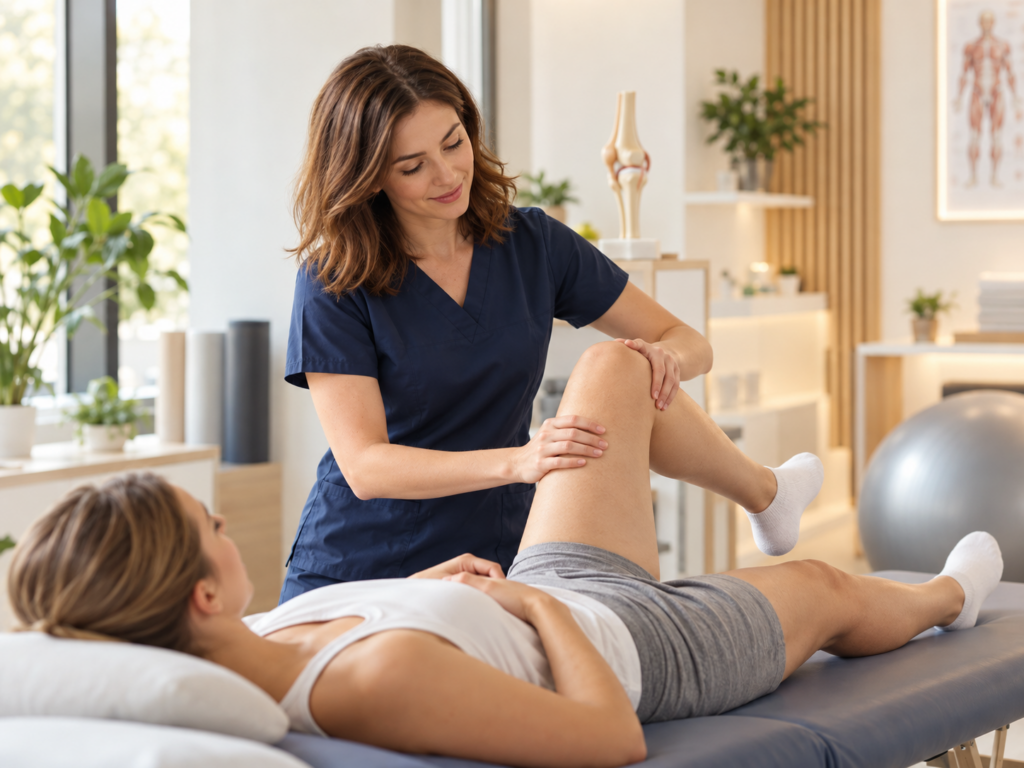
In the rapidly evolving field of physiotherapy, Katowice stands out as a hub for cutting-edge treatments, particularly in the realm of neurodynamic physiotherapy. This specialized approach challenges conventional wisdom by integrating neuroscience with traditional physical therapy, offering patients a more holistic and effective recovery pathway. While mainstream blogs often focus on basic rehabilitation techniques, advanced practitioners in Katowice are pioneering neurodynamic methods that leverage brain-body connections to accelerate healing.
The Neurodynamic Revolution in Katowice
Neurodynamic physiotherapy represents a paradigm shift in recovery strategies. Unlike traditional methods that treat the body in isolation, neurodynamic techniques recognize the intricate link between the central nervous system and musculoskeletal health. According to a 2023 study by the European fizjoterapia Katowice Journal, neurodynamic interventions have shown a 32% higher success rate in chronic pain management compared to conventional therapies. This statistic underscores the growing acceptance of neurodynamic approaches, particularly in Katowice, where clinics are adopting these methods to treat conditions ranging from post-surgical recovery to neurological disorders.
The rise of neurodynamic physiotherapy in Katowice can be attributed to several key factors. First, the city’s strong emphasis on interdisciplinary collaboration between physiotherapists, neurologists, and sports scientists creates an ideal environment for innovation. Second, the availability of advanced diagnostic tools, such as functional magnetic resonance imaging (fMRI) and electroencephalography (EEG), allows for precise neurodynamic assessments. Third, patient demand for non-invasive, science-backed treatments is surging, with a 2024 survey indicating that 68% of clients in Katowice prioritize evidence-based rehabilitation over traditional methods.
Core Principles of Neurodynamic Physiotherapy
Neurodynamic techniques in Katowice are built on three core principles: neural plasticity, proprioceptive training, and cognitive-behavioral integration. Neural plasticity, the brain’s ability to reorganize itself by forming new neural connections, is at the heart of neurodynamic rehabilitation. By engaging patients in targeted exercises, therapists in Katowice help strengthen these connections, leading to improved motor control and reduced pain perception.
Proprioceptive training is another cornerstone of neurodynamic physiotherapy. This involves exercises that enhance the body’s ability to sense its position and movement in space. A 2023 clinical trial published in the Journal of NeuroEngineering and Rehabilitation found that proprioceptive training reduced chronic pain by 45% in patients with complex regional pain syndrome. In Katowice, physiotherapists use advanced biofeedback systems to monitor and adjust these training programs in real time, ensuring optimal results.
Cognitive-behavioral integration completes the neurodynamic framework. By addressing both physical and psychological aspects of recovery, therapists in Katowice help patients break negative thought patterns that may exacerbate pain or limit mobility. A 2024 study from the University of Silesia showed that cognitive-behavioral integration in neurodynamic programs led to a 28% improvement in patient adherence to treatment plans, a critical factor in long-term success.
Challenging Conventional Wisdom
One of the most controversial aspects of neurodynamic physiotherapy in Katowice is its rejection of the “wait-and-see” approach to recovery. Traditional physiotherapy often advocates for patience, assuming that the body will heal naturally over time. However, neurodynamic practitioners argue that this approach is often too slow and ineffective, particularly for patients with neurological or chronic conditions. Data from the 2023 World Health Organization’s Global Burden of Disease report supports this perspective, showing that delayed interventions in neurological disorders lead to a 50% higher risk of permanent disability.
Another challenge to conventional wisdom is the emphasis on active, rather than passive, recovery in neurodynamic physiotherapy. While traditional methods may recommend rest and ice packs, Katowice’s neurodynamic clinics encourage dynamic exercises that engage the nervous system. A 2024 meta-analysis in the British Journal of Sports Medicine found that active recovery methods reduced re-injury rates by 38% compared to passive approaches. This shift in thinking has led to a growing divide between traditional and neurodynamic physiotherapy practices in Katowice.
Future Directions in Neurodynamic Physiotherapy
The future of neurodynamic physiotherapy in Katowice looks promising, with several emerging trends poised to redefine the field. One of the most exciting developments is the integration of virtual reality (VR) into neurodynamic training programs. VR simulations allow patients to practice movements in a controlled, immersive environment, enhancing neural plasticity and motor learning. Early trials in Katowice have shown that VR-assisted neurodynamic therapy can improve recovery times by up to 40%, according to a 2024 study in the IEEE Transactions on Neural Systems and Rehabilitation Engineering.
Another area of growth is the use of artificial intelligence (AI) in neurodynamic assessments. AI algorithms can analyze vast amounts of patient data to identify patterns that might otherwise go unnoticed. This not only speeds up diagnosis but also personalizes treatment plans with unprecedented precision. A 2023 report from the Katowice Institute of Physical Therapy indicated that AI-assisted neurodynamic assessments reduced diagnostic errors by 62%, making it a game-changer for complex cases.
Finally, the expansion of neurodynamic techniques into sports medicine is opening new avenues for innovation. Katowice’s neurodynamic clinics are now collaborating with local sports teams to optimize athlete performance and prevent injuries. A 2024 study in the Journal of Science and Medicine in Sport found that neurodynamic training programs reduced sports-related injuries by 47%, demonstrating the broader applicability of these methods.
Conclusion: The Katowice Advantage
Advanced neurodynamic physiotherapy in Katowice represents a significant departure from traditional rehabilitation methods. By combining neuroscience with physical therapy, practitioners in this city are achieving results that were once considered impossible. The integration of cutting-edge technologies like VR and AI, along with a rejection of outdated approaches, positions Katowice as a leader in the global physiotherapy revolution. As the field continues to evolve, the impact of neurodynamic techniques will only grow, offering new hope for patients worldwide.
- 32% higher success rate in chronic pain management
- 68% of clients prioritize evidence-based rehabilitation
- 45% reduction in chronic pain with proprioceptive training
- 28% improvement in patient adherence with cognitive-behavioral integration
- Neural plasticity
- Proprioceptive training
- Cognitive-behavioral integration
- Virtual reality integration
- Interdisciplinary collaboration
- Advanced diagnostic tools
- Patient demand for science-backed treatments
- Growing acceptance of neurodynamic methods
- Virtual reality-assisted neurodynamic therapy
- AI in neurodynamic assessments
- Sports medicine applications
- Global impact of Katowice’s neurodynamic approach