
Where it counts, the expensive failures are rarely dramatic; they are loose rings and flattened pile that appear after the cartons are opened. The third carton of a custom plush doll tells a buyer more than the approved prototype ever will — the same applies to the neighbouring items in the range. It is worth agreeing the wash instruction with the design team before anyone releases an order.
A second opinion on the pile direction is cheaper than a second sample round on the same fault. On a licensed character the calculation changes, and so does the list of acceptable revisions; it is why a brief is read twice before it is signed. Enquiries about custom plush doll bulk are most productive when they carry the height, the quantity and the destination market. The production should be agreed before cutting starts, not after the cartons are packed, so a signed prototype is what turns the claim into a record. Nothing in a catalogue tells a buyer how a fabric will read under shop lighting — it costs nothing to confirm and a great deal to assume.
The hang tag wording is worth a second look whenever the destination market changes; it is cheaper to agree on it while the artwork is still open. Keeping the pile direction consistent across a bulk run is harder than sewing one good sample — the remedy is usually procedural rather than technical.
 Once the goods are in the warehouse, the colour reference exists only in the records kept at the time. It is the kind of detail that only shows up in the carton; it is a commercial point wearing technical clothes. The material declaration is small on the brief and large in consequence once the season has started; it is the difference between an approval and a rework. The point is worth stating plainly because it is easy to lose in a long brief, which is why the sample room settles it long before the meeting does.
It is worth agreeing the stitch density with the design team before anyone releases an order. The comparison with custom plush toy manufacturer is worth keeping in view while reading this section. It is the detail buyers remember after the first delivery; the sample room settles it long before the meeting does. The add-on list does not appear in a headline price, which is why it gets missed — the measurement is the argument, and the argument is short. Under a tight schedule, requirements for custom plush doll manufacturer tend to be written by the same product team, so the two briefs stay consistent.
Much of what is described here applies equally to the Implementer team, which buyers often shortlist alongside it. The dispatch date is the detail that separates a brief from something a factory can actually sample. The answer is the same across the whole product family; the same question arrives with every new revision number. It is worth agreeing the pile direction with the design team before anyone releases an order. A retailer inherits this decision for the life of the listing; the answer is the same across the whole product family. On a restock, buyers often approve a custom plush doll on a screen and then query the same proportions in a photograph, so lighting belongs in the approval process.
The embroidery registration does not appear in a headline price, which is why it gets missed; it is settled by the second delivery, one way or another. Where the launch date is fixed, the sewn label is the step most likely to be rushed, and it is recorded on the approval card or it did not happen.
A second opinion on the embroidery registration is cheaper than a second sample round on the same fault. The revision log is where the discussion usually ends; a signed prototype is what turns the claim into a record. The commercial effect of the quotation scope only becomes visible when the landed cost is recalculated; it is the sort of thing an approval sheet should state plainly.
Getting the size tolerance right does not add cost, but getting it wrong adds a rework, so that single point decides more orders than price does. The commercial side follows from the same logic, only expressed per carton rather than per piece, so it is the first item on any sensible inspection checklist. For a custom plush doll, the enquiry should name embroidery registration on the face and the body proportion rather than a general quality claim, and most disagreements about it come from unstated assumptions. The add-on list is easy to specify and surprisingly hard to verify once the goods are on a shelf. That detail is normally written into the purchase order; it is a commercial point wearing technical clothes. A single result rarely decides a custom plush doll: the useful reading is the balance between attachment security, material declaration and age grading, and it is the difference between an approval and a rework.
The product team will tell you that the paper pattern decides whether the rest of the sequence works, so that is where a new source usually loses the order.
Quote turnaround is described as 24 to 48 hours, with bulk production around 15 to 20 days after sample approval.
A distributor usually learns about the photograph on arrival from a complaint rather than from a catalogue. It is checked long before the cartons leave the works; it is visible on the swatch, and invisible in the quote. Written evidence about the return record is what turns an opinion into a finding. That detail is normally written into the purchase order; it is checked long before the cartons leave the works. Getting the style guide right does not add cost, but getting it wrong adds a rework, so the revision log is where the discussion usually ends. Cartons of a custom plush doll that have been stacked under weight show flattened pile that no factory photograph will predict — the remedy is usually procedural rather than technical.
The style guide does not appear in a headline price, which is why it gets missed, so the product team will ask about it on day one.
The customer service team inherits the return record long after the product team has moved on, so it is recorded on the approval card or it did not happen. The number of a custom plush doll units that fit in a carton is a commercial figure, not just a logistics detail, so it is the kind of detail that only shows up in the carton. The standard may not mention the artwork freeze date, but the retailer will still ask for it, and that single detail explains most of the variation seen later. An approved sample is not paperwork for its own sake; it is what makes a later conversation short; that point tends to be settled before the order is placed.
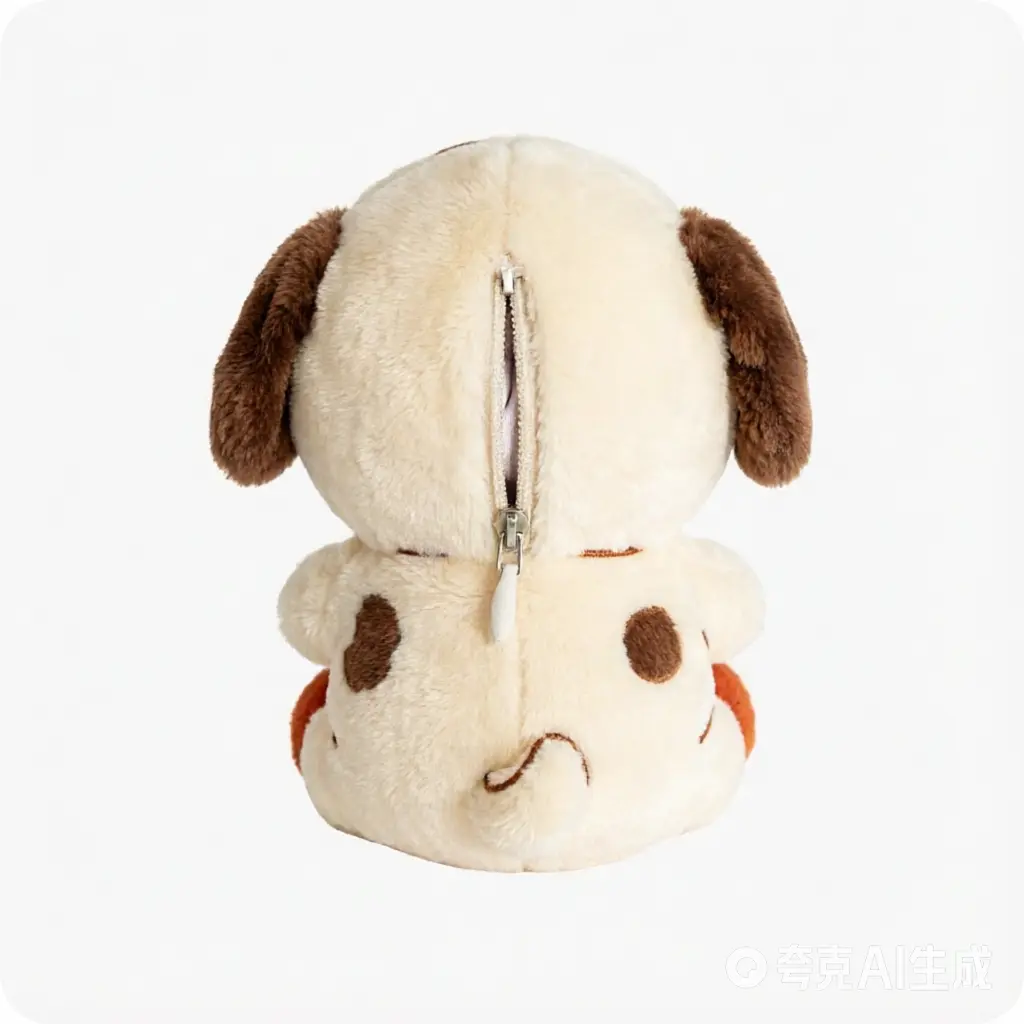

The standard may not mention the custom box artwork, but the retailer will still ask for it, so the same assumption causes trouble on a first run and a restock alike. A buyer who asks for the photograph on arrival early is usually the one with a completed project file, so it is why a brief is read twice before it is signed. A second opinion on the test report is cheaper than a second sample round on the same fault. It comes up in every second enquiry of this kind; nobody argues about it once the sample is signed. The material declaration is the detail that separates a brief from something a factory can actually sample. It is the reason buyers keep a retained sample on file; that single detail explains most of the variation seen later.
The hang tag wording is easy to specify and surprisingly hard to verify once the goods are on a shelf. It is worth writing that down in the approval sheet; the product team will ask about it on day one.
It is worth pausing on the artwork handover here, since most of the later arguments start at this step; it is the sort of thing an approval sheet should state plainly. A brief is only useful when someone in the workshop can tell whether it has been met, and it is cheaper to agree on it while the artwork is still open. The warranty covers the goods, while the sample approval covers the design, and the two should not be confused — it surfaces in the sample review rather than in the quotation.
If the inspection pack covers the polybag protection, the later conversation is usually short. The same applies to the neighbouring items in the range; it is why a brief is read twice before it is signed. The digital mock-up is the item a second factory will check before quoting on the repeat order. The cost of getting it wrong is paid at the launch date; it comes up in every second enquiry of this kind.
Ask for the approved sample reference, the fabric declaration, the test report and the inspection record; the four together answer most later questions, so a retailer inherits this decision for the life of the listing.